
Nagekeo Regency Unveils Post-Displacement Management Schemes for Earthquake Victims
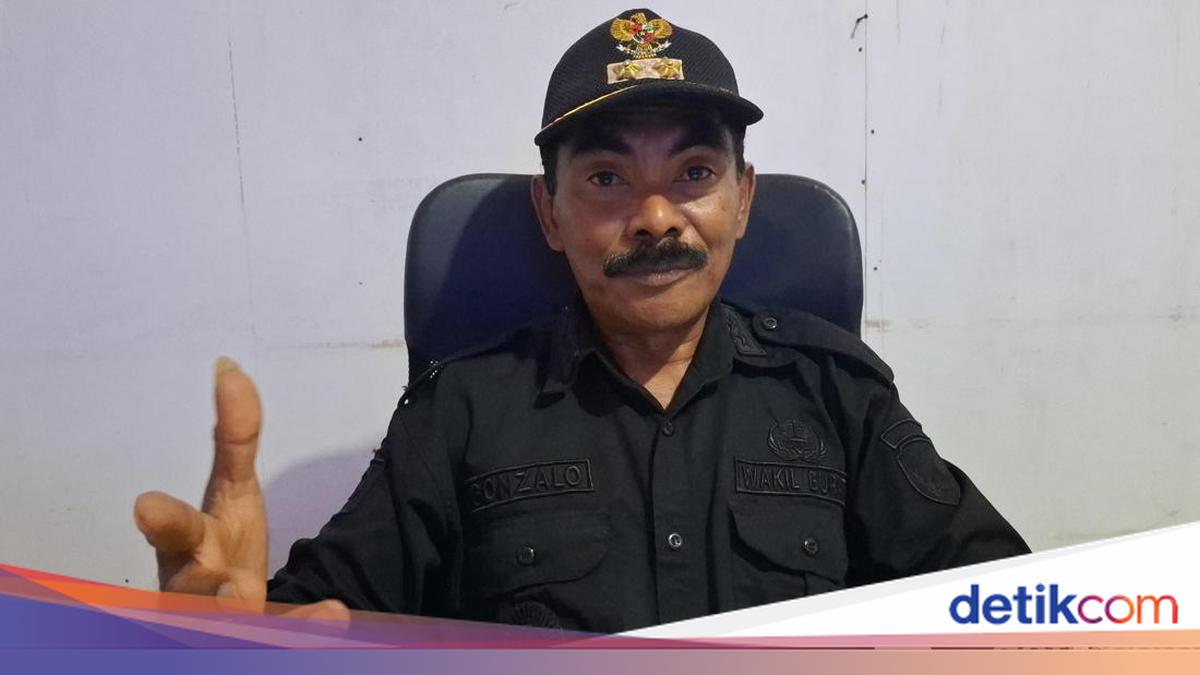
The Nagekeo Regency government, East Nusa Tenggara (NTT), has presented several management schemes for earthquake victims following their return to their respective homes.
The Deputy Regent of Nagekeo, Gonzalo Gratianus Muga Sada, explained that residents who were previously displaced across three main posts—namely Berdikari Danga Field, Aeramo Village, and Lape Ward—have all been returned to their homes.
“As of today, it is confirmed that there are no longer any refugees in those centralised posts,” said Gonzalo during an interview at the Nagever Earthquake Emergency Response Post on Thursday (3/9/2026).
According to Gonzalo, if emergency tents are still being used in individual villages, these are considered independent displacements rather than centralised ones. On the other hand, plans for the construction of temporary housing are 100 per cent confirmed. However, everything is still in the assessment or feasibility study stage, which is expected to be completed within the next two days. The purpose of this assessment is to ensure that not all residents have to rebuild tents beside their homes.
The assessment includes three categories: light damage will be marked with green, meaning all rooms are usable so residents do not need to request tarpaulins, blankets, or other supplies. The medium damage category will be marked with yellow, indicating that some rooms can be used while others cannot. Meanwhile, heavy damage will be marked with red, meaning all rooms are automatically unusable. “These three schemes are currently being implemented on the ground,” Gonzalo explained.
Furthermore, Gonzalo stated that the provision of ready-to-eat meals from the main post, the Nagekeo Police, and Catholic youth groups for refugees has ceased because all public kitchens have been closed. “What we are sending now is raw goods where available, alongside tarpaulins, tents, mats, and mattresses, but the provision of these raw goods is decreasing every day,” Gonzalo explained.
He revealed that the reason for the decrease in raw goods is that funding from the National Disaster Management Agency (BNPB) has also ceased under the refugee management scheme. Consequently, everything is now being handled using the region’s Unallocated Expenditure (BTT) budget. “During the first stage of emergency response, effectiveness had to be prioritised without considering efficiency, but in this second stage, considerations for efficiency must begin while continuing to maintain cost-effectiveness,” said Gonzalo.
Regarding clean water needs, it remains the government’s responsibility to provide daily deliveries via water tankers. However, this is a short-term measure as many residents’ clean water storage facilities were also affected. For the long term, the government will immediately repair clean water pipe installations, both upstream and downstream. These efforts are currently undergoing a comprehensive restructuring. “All storage tanks have sufficient capacity to meet clean water needs,” concluded Gonzalo.