
Nabire Prosecutor's Office Implements First 'Plea Bargaining' in Central Papua
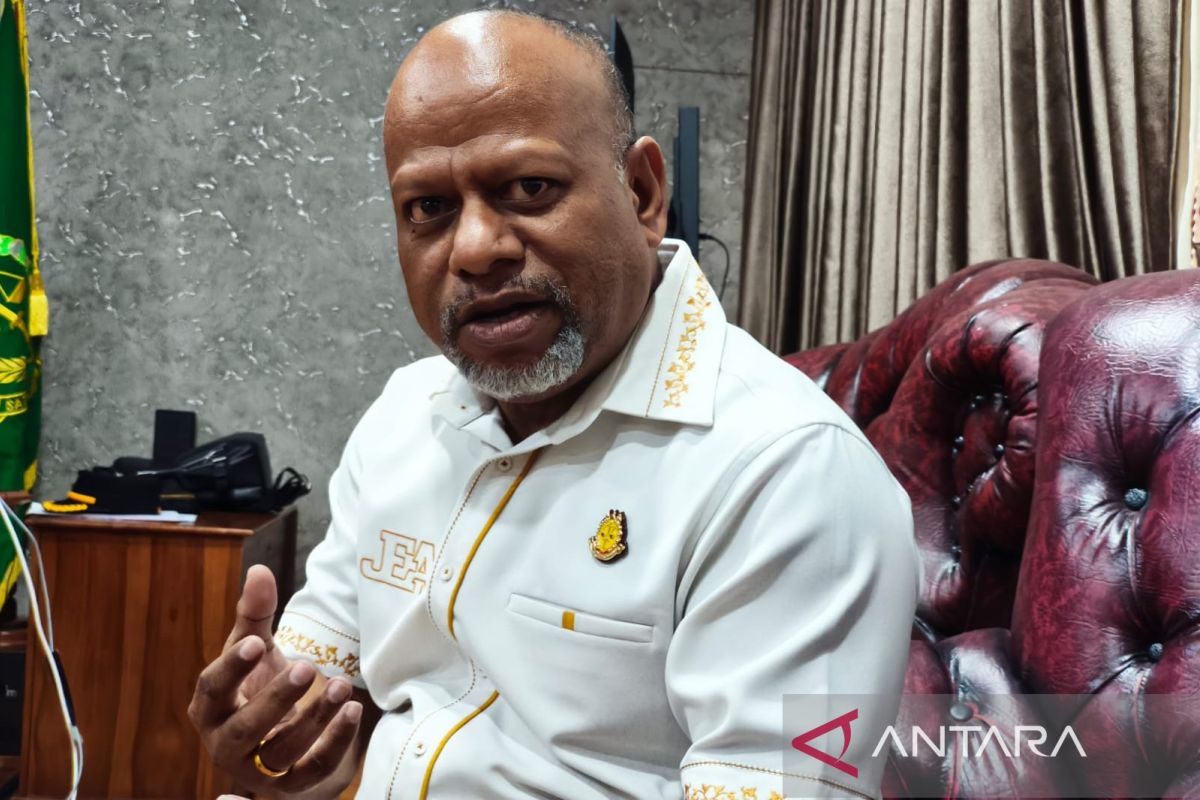
The Nabire District Prosecutor’s Office (Kejari Nabire) in Central Papua has implemented a guilty plea mechanism (plea bargaining) for the first time in handling criminal cases in the region, as an effort to realise a faster, simpler, and more efficient judicial process. Head of the Nabire District Prosecutor’s Office, Jusak Elkana Ayomi, stated in Nabire on Tuesday that the implementation of this mechanism aligns with the spirit of legal reform that prioritises the principles of a speedy, simple, and low-cost trial. “The existence of this plea bargaining greatly helps realise the principle of a fast, precise, and efficient trial,” he said. Nevertheless, he stressed that all legal processes are still carried out in accordance with applicable procedures and operational standards. According to him, the implementation of this mechanism is expected to accelerate case resolution without diminishing the principles of justice and legal certainty for the parties involved. Meanwhile, Head of the General Crimes Section at Kejari Nabire, Eko Nuryanto, said his office had proposed one case to be resolved through this mechanism. The proposed case is an embezzlement case handled by the Puncak Jaya Police involving two defendants with the initials YH and MH. According to him, the criminal act was committed due to economic necessity, so the case meets the requirements to be submitted through the guilty plea mechanism. He explained that not all cases can be resolved through the plea bargaining scheme. There are several conditions that must be met, including that the perpetrator is a first-time offender, the criminal threat does not exceed five years in prison, and they are willing to compensate for losses or provide restitution to the victim. Eko explained that before being submitted to court, the case is first exposed to the High Prosecutor’s Office and subsequently discussed with the Junior Attorney General for General Crimes (Jampidum). After obtaining approval, the case was transferred to the court and has received a determination to be examined through the Summary Examination Procedure (APS). The trial is scheduled to take place on Thursday (25/6). “We have received the determination from the court and the case has been transferred to be examined using the Summary Examination Procedure,” he said. He explained that the main difference between plea bargaining and the Ordinary Examination Procedure (APB) lies in the evidentiary process in court. Through APS, the evidentiary process, witness examination, and the reading of charges can be completed in a single court day. “Because there was previously a guilty plea agreement between the defendant and the public prosecutor, accompanied by legal counsel, there is a consequence in the form of a reduction in the criminal charge as a form of appreciation for that admission,” he stated.