
Nabire National Nutrition Agency to Optimise 3B Services in the Second Quarter of 2026
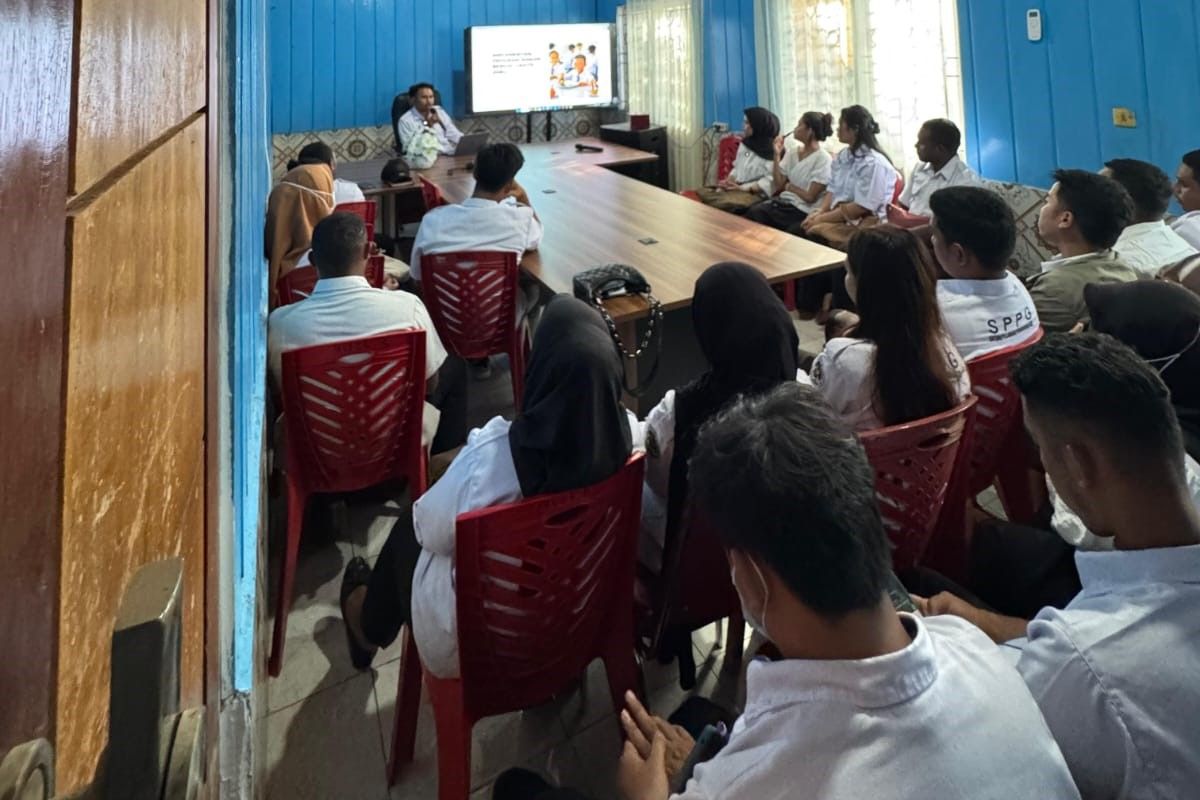
Nabire (ANTARA) - The Nabire National Nutrition Agency (BGN) in Papua Tengah is focusing on optimising its 3B services, which include pregnant women, breastfeeding mothers, and toddlers, in the second quarter of 2026 as an effort to improve the nutritional quality of the community through the Free Nutritious Food (MBG) program.
The Coordinator of the Nabire Regency BGN, Marsel Asyerem, in Nabire, on Friday, said that this step was taken after an evaluation of the performance in the first quarter to improve the service system so that it is more targeted, accurate in quantity, and timely.
“The first quarter evaluation serves as the basis for making comprehensive improvements. In this second quarter, we are focusing on ensuring that 3B services run optimally and have a real impact on the community,” he said.
He explained that, to date, the number of beneficiaries of the MBG program with the 3B target group has reached approximately 1,200 people spread throughout the Nabire region.
According to him, the optimisation of services focuses on three main indicators, namely the accuracy of the recipient target, the suitability of the quantity or grammage of the menu based on nutritional standards, and the timeliness of the distribution of nutritious food.
“The service must be targeted according to the data, accurate in quantity based on nutritional standards, and timely so that the quality of the food remains maintained when received by the community,” he said.
He added that, to support the improvement of service quality, they involve nutritionists and accountants in the evaluation and supervision process.
The involvement of various disciplines aims to ensure that the program’s management runs transparently, accountably, and in accordance with community needs.
He hopes that in the second quarter, the Nabire BGN can become a model for professional nutrition services and have a real impact in reducing nutritional problems, especially in vulnerable groups.
“This is a form of our responsibility to ensure that the community, especially mothers and children, receive the proper nutritional rights,” he said.