
Mystery Solved: Why Antarctica Froze 30 Million Years Before the North Pole
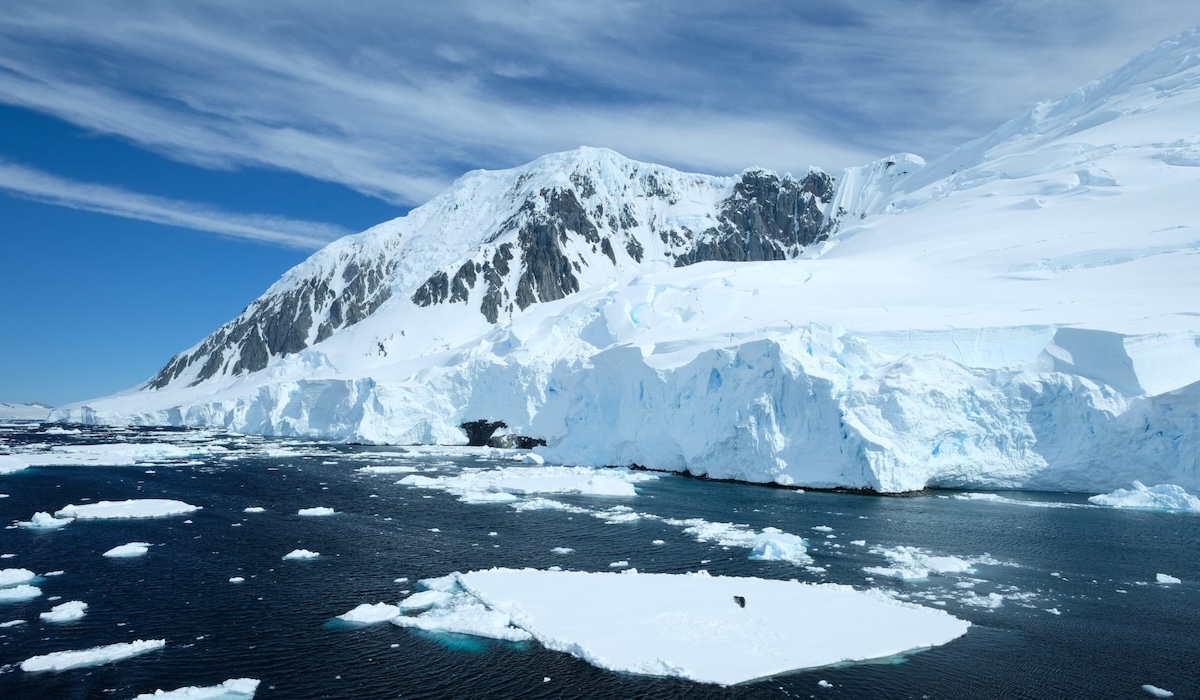
Recent research published in the journal Science has unravelled the mystery of why the Antarctic continent froze over approximately 34 million years ago, much earlier than the North Pole, which only froze around 5 million years ago. This 30-million-year time difference was triggered by geological dynamics from deep within the Earth, rather than simply a decline in atmospheric carbon dioxide (CO2) levels.
Professor Thomas Gernon from the University of Southampton explained that the process originated from the break-up of the ancient supercontinent Gondwana during the Jurassic Period. The separation between Antarctica and Africa triggered mantle waves beneath the Earth’s crust that eroded the continental roots. This phenomenon caused massive surface uplift in the East Antarctic region over tens of millions of years.
The land uplift created extreme topography, including vast highlands and the Gamburtsev Mountains, which are now buried under ice. Elevation became a crucial factor because air temperature drops drastically with increased altitude. By 45 million years ago, East Antarctica had reached a critical elevation threshold that allowed snow to persist throughout the year, even though global temperatures were still warm.
In addition to the elevation factor, the ice-albedo feedback effect accelerated the cooling process. Once glaciers formed on the mountain peaks, the white ice surface reflected sunlight back into space. This progressively cooled the surrounding region and allowed the ice sheet to expand across the entire continent.
The findings confirm that the Earth’s interior played a vital role in determining the planet’s climate history. However, the researchers issued a stark warning: ice sheets are melting far faster than the geological timescales over which they formed. If the ice collapses due to current global warming, it will not be able to reform in a short period. While the decline in CO2 was important for global cooling, without the land uplift caused by mantle activity, Antarctica might not have frozen so much earlier than the other polar regions.