
Myanmar Deploys Troops to Seize Civilian Land for Russian-Backed Project
Myanmar’s military has deployed hundreds of soldiers to forcibly clear areas designated for a Russian-backed special economic zone in the south of the country. Several villages have reportedly been burned and surrounding areas isolated.
According to a Reuters report based on resistance groups and a local activist with direct knowledge of the situation, the military operation is taking place around the Dawei Special Economic Zone (SEZ). The zone includes plans for a deep-sea port and power plant on the Andaman Sea coast.
The operation is the strongest indication yet that Myanmar’s military-backed government is willing to use force to revive the Dawei project, which has been promoted as a strategic alternative route to the Malacca Strait.
The move coincides with an intensification of the government’s diplomatic outreach. Min Aung Hlaing, who previously led the junta and now serves as president, promoted Dawei as a potential gateway to South Asia and West Asia during a key visit to Thailand this month.
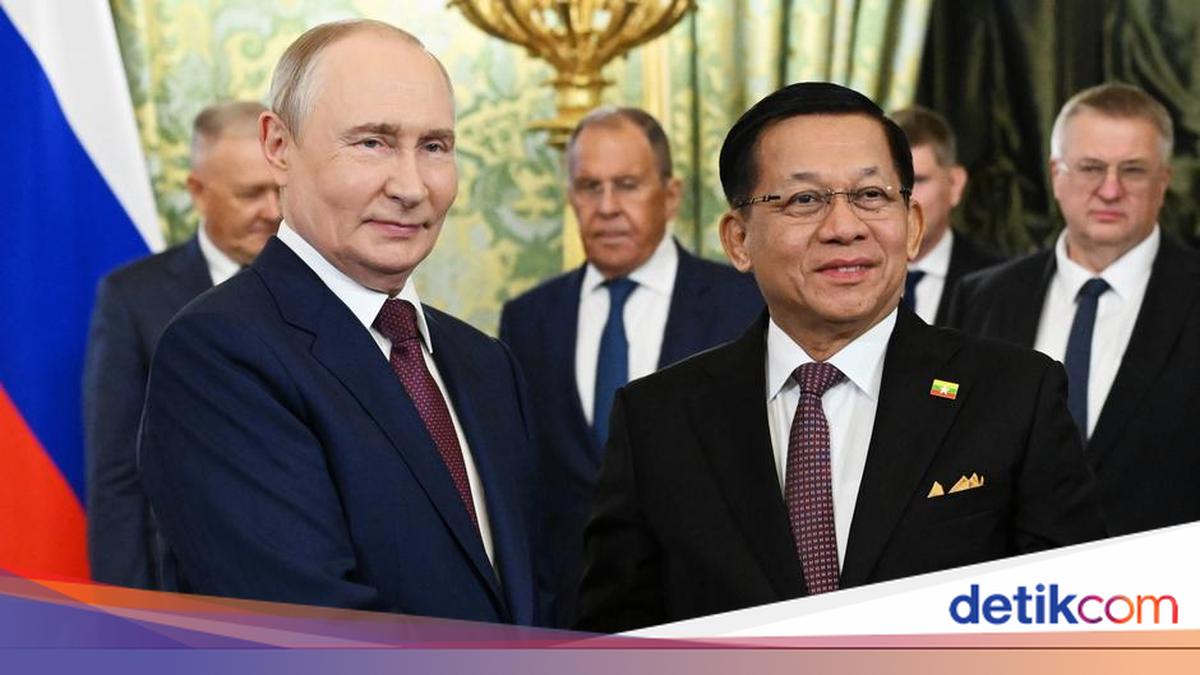
The Dawei project was discussed again this week when Min Aung Hlaing met Russian President Vladimir Putin in Moscow.
Since July, Myanmar’s military has sent hundreds of troops to Tanintharyi Region in southern Myanmar, which borders Thailand and is home to Dawei. According to two sources cited by Reuters, the deployment triggered clashes with local resistance groups that were forced to retreat.
“The military keeps moving its forces and conducting clearing operations. Several villages and homes have been burned,” Saw Dah Ko of the Tanintharyi Region People’s Defence Force told Reuters.
Another resistance member from Battalion No. 1 of Dawei District, under the National Unity Government (NUG), Myanmar’s parallel government, said troops had burned homes in at least three villages and killed three aid workers assisting displaced communities.
“They want to run the Dawei SEZ, so they want to clear this area,” he said, requesting anonymity.
The civil society group MAGGA Initiative said the three aid workers were detained and killed after meeting advancing military forces in Yebyu Township on 9 July 2026.
Reuters said it could not independently verify the reports. Myanmar’s government and the Russian Embassy in Myanmar did not respond to requests for comment.
The military operation intensified after Deputy Commander-in-Chief Kyaw Swar Lin visited southern Myanmar in late June. During the visit, he instructed troops to protect several “strategic projects”, including Dawei.
According to the Armed Conflict Location & Event Data (ACLED) project, around 700 troops have moved into areas around Dawei since the visit, raiding villages and killing civilians.
Operations around the Dawei SEZ have also been reinforced by air and naval strikes, according to Saw Dah Ko and a local activist. The attacks have overwhelmed loosely organised local resistance groups.
“They entered the area, and after receiving naval support, they launched attacks on villages within the deep-sea port project area,” said Min Lwin Oo of the Democracy Movement Strike Committee. “When they launch these attacks, clashes often occur.”
The Dawei operation is part of a broader military strategy to retake strategic areas and border regions lost to opposition forces since the 2021 coup. The coup triggered a civil war that has killed around 100,000 people and displaced more than 3.5 million.
The military subsequently held elections in December and January that were widely criticised. Major opposition groups were barred from participating, paving the way for Min Aung Hlaing to become president.
The Dawei project was first launched in 2008 as a joint venture with Thailand. It aimed to facilitate trade between Southeast Asian countries and West and East Asia.
However, construction of the Dawei SEZ stalled in 2013 due to local opposition and a lack of funding. In January 2021, just weeks before the coup, the committee overseeing the Dawei SEZ said it had taken steps to terminate 2015 and 2016 agreements related to nine projects in the early stages of development.
“We will now focus efforts on finding new partners to develop the potential of the Dawei Special Economic Zone,” the committee chairman said at the time.
The new Myanmar government is now seeking to revive the project with support from Russia, one of Min Aung Hlaing’s key allies.
At a business forum in Moscow on Wednesday, Tanintharyi Region Chief Minister Zaw Naing Oo said the project could cut shipping times by four to six days compared with the Malacca Strait route. Myanmar state media also reported that Zaw Naing Oo highlighted the port’s location just 45 kilometres from Myanmar’s main offshore gas fields.
Russian Prime Minister Mikhail Mishustin said Russian companies intend to cooperate with the Dawei SEZ to boost trade and create new jobs, including in the small and medium enterprise sector. Mishustin made the remarks this week during his meeting with Min Aung Hlaing.