
Muzani: PPHN direction regarding elections does not regulate technical implementation
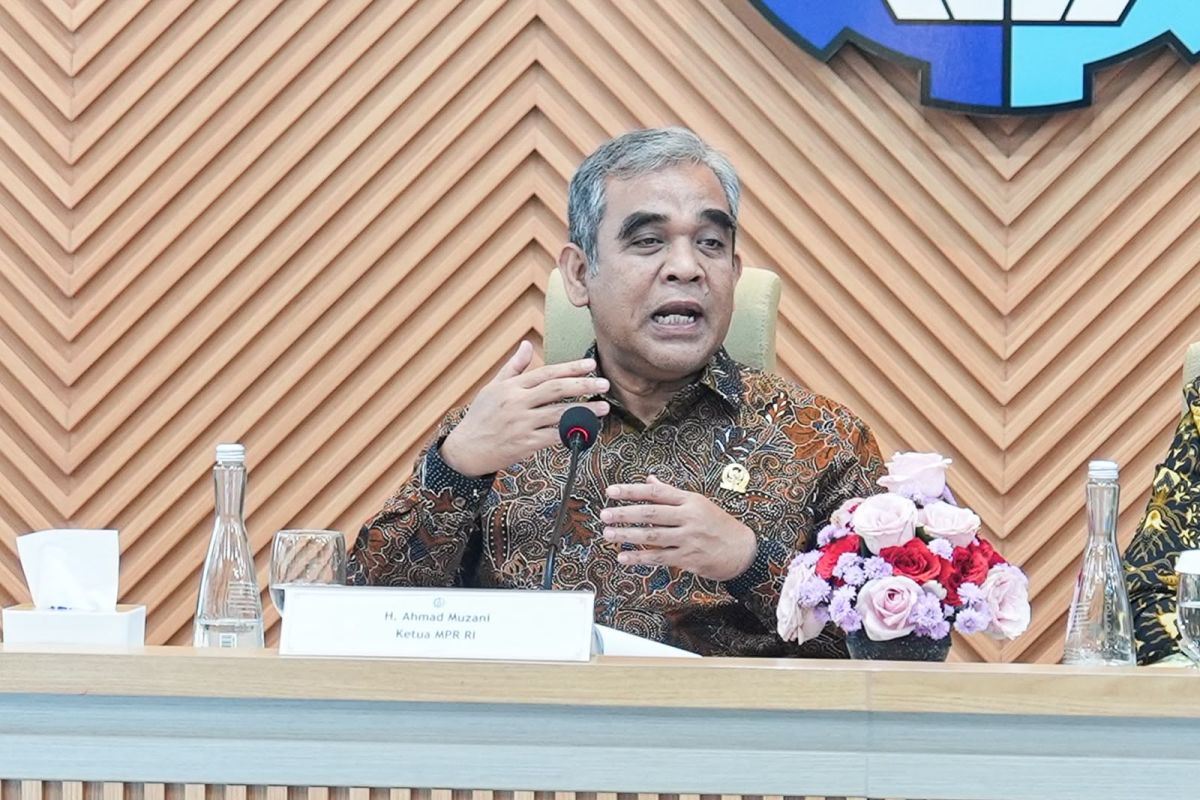
The Speaker of the MPR, Ahmad Muzani, emphasised that the policy direction for reviewing the electoral system in the draft State Policy Guidelines (PPHN) is not intended to regulate the technical mechanisms of election administration.
“To review can have many meanings. For example, limiting expenditure, but not being specifically technical. The core issue is the grievance that democracy should be something pleasant and joyful, rather than becoming a burden,” Muzani stated at the parliamentary complex in Senayan, Jakarta, on Tuesday.
Muzani explained that this policy direction is intended to encourage more effective and efficient democratic implementation without burdening the state budget. He noted that the ideas contained in the PPHN draft stem from public awareness that democracy must operate effectively, efficiently, and with precision.
However, Muzani asserted that the MPR does not have the authority to determine the mechanisms of election administration or to provide direction in the discussion of the Election Law revision, which falls under the jurisdiction of the DPR and the government.
“The MPR does not have the competence to respond to these specific mechanisms. Please discuss them yourselves, but if we look at surveys, the majority of the Indonesian people still desire direct elections, both for legislative elections and regional elections,” he said.
The MPR’s published study on the Substance of the PPHN Draft includes a proposal to review the election administration system. This proposal is included in Chapter IV on Policy Direction, specifically under the Domestic Politics subsection.
The study proposes a review of the election system so that democratic life, based on the Pancasila ideology, provides greater space for the election of competent and high-integrity ideological cadres, while also limiting high-cost politics.
Furthermore, it is proposed that law enforcement in election administration be restructured, covering money politics, hate speech based on ethnicity, religion, race, and inter-group tensions (SARA), corruption, and other election law violations.
The MPR study states that political reform must be directed towards the restructuring of functional and adaptive state institutions, as well as the transformation of an election system that is low-cost, transparent, and accountable.
The study noted that high election costs can create loopholes for economic oligarchies and capital-owning groups to enter the processes of power and state policy, which impacts national resources and the quality of democracy.