
Muslims Increasingly Neglect Hijri Calendar, Impacting Communal Identity
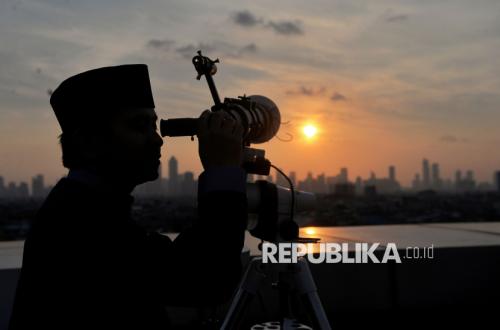
REPUBLIKA.CO.ID, JAKARTA — Amid the dominance of the Gregorian calendar in daily life, many Muslims are increasingly neglecting the Hijri calendar outside of worship purposes. Yet, the Hijri calendar is not merely a dating system, but an instrument that strengthens the identity, history, and unity of the Muslim community.
Renowned Muslim poet and playwright Shamsid-Deen emphasised that aligning one’s life with the Hijri calendar is part of an effort to maintain the connection of Muslims to their history, religious values, and the global Muslim community.
According to him, Islam has taught the importance of togetherness from the very beginning. Various principal acts of worship, such as congregational prayers and the Hajj pilgrimage, demonstrate that the collective dimension holds a significant position in Islamic teachings.
This spirit is also reflected in the Hijri calendar. Through this dating system, Muslims across various countries experience important moments together, from Ramadan, Eid al-Fitr, and Eid al-Adha, to Ashura.
“Through the Islamic calendar, Muslims share beliefs, values, knowledge, and time without having to be in the same place,” Shamsid-Deen wrote on the Aboutislam page, Friday (3/7/2026).
He explained that the Hijri calendar originated from the event of the Prophet Muhammad’s (PBUH) migration from Mecca to Medina. That momentum became a turning point for the birth of an Islamic society that later developed into a great civilisation transcending national, cultural, and ethnic boundaries.
Therefore, the Hijri calendar is considered to have a much deeper meaning than merely marking the change of months and years. The calendar serves as a reminder of the community’s historical journey as well as a symbol of Muslim unity.
Shamsid-Deen also highlighted the challenges faced by the younger generation of Muslims today. According to him, children and teenagers live in an environment filled with various forms of global interaction through the internet and social media. Shared experiences in the digital world can build a sense of belonging to a community.
In this context, the Hijri calendar is seen as capable of presenting a far more meaningful collective experience because it connects Muslims around the world through the same moments of worship and major holidays.