
Muslim Nuclear Giant Issues Ultimatum to Iran, Warning of Arab Nations' Outrage
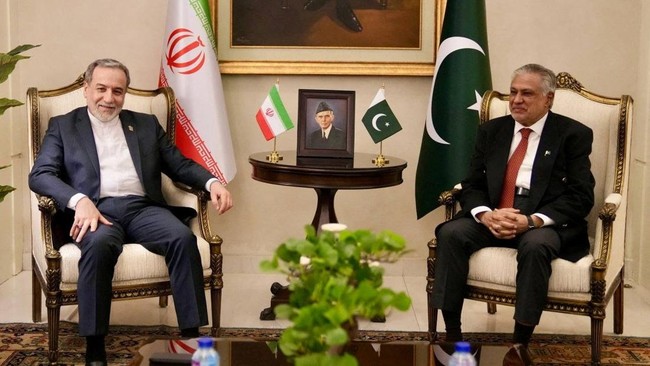
Pakistan has conveyed a severe warning from Saudi Arabia to Iran, urging the latter to immediately bring its Houthi allies under control. This coordinated move aims to prevent the Middle East crisis from escalating uncontrollably.
According to Reuters on Thursday (10/09/2026), Pakistan’s intervention follows Houthi attacks on an airbase in Khamis Mushait and oil infrastructure in surrounding cities on Tuesday. The attacks, which resulted in 73 injuries, are recorded as one of the largest strikes against Saudi Arabia since the US-Israel war against Iran began last February.
In response to the strikes, Saudi Arabian fighter jets reportedly launched 54 lethal airstrikes across various Yemeni provinces over the last 12 hours. Houthi military spokesperson Yahya Saree asserted that Riyadh’s retaliatory strikes would not cause his group to retreat.
“Such attacks will not be left without retaliation and punishment,” he stated.
Pakistan’s warning to Iran carries significant weight due to the existing defence pact between Pakistan, Saudi Arabia, and Turkey. Pakistan’s Defence Minister, Khawaja Asif, stated that attacks spilling over into the Saudi Kingdom could trigger a joint security agreement involving the militaries of Riyadh, Ankara, and Islamabad.
“Aggression against one nation will be considered aggression against all three. Unjustified aggression or spillover into Saudi Arabia will certainly make this agreement operational,” he explained.
A senior Iranian official confirmed receipt of the message from Pakistan, arguing that Tehran does not control the Houthis. However, two Iranian internal sources leaked that Tehran had directly ordered the Houthis to attack Saudi Arabia last week.
Tehran reportedly promised additional funding and weaponry, and dispatched several Islamic Revolutionary Guard Corps (IRGC) commanders to Yemen to coordinate the attacks.
Meanwhile, diplomatic sources revealed that military representatives from Saudi Arabia, Pakistan, and Turkey have met in Riyadh. The three nations agreed that their forces would not enter Yemeni territory, and retaliatory operations would only be launched from within Saudi borders.
“Pakistan has an agreement with Saudi Arabia, but I hope the situation does not reach a point where Pakistan must practically intervene. For now, diplomatic solutions will be sought,” said a regional diplomat.
Amidst the escalating proxy conflict, US President Donald Trump appears committed to maintaining the economic blockade to stifle the Iranian economy. Saudi Arabia is believed to be unlikely to pressure Washington to lift the blockade, allowing economic pressure to erode their opponent’s strength.
“The question is how much suffering Iran can endure, and for how long. Trump does not want a military solution. He wants to pressure them through the blockade,” concluded a regional source.