
Muslim-Majority Turkey to Host 2026 NATO Summit
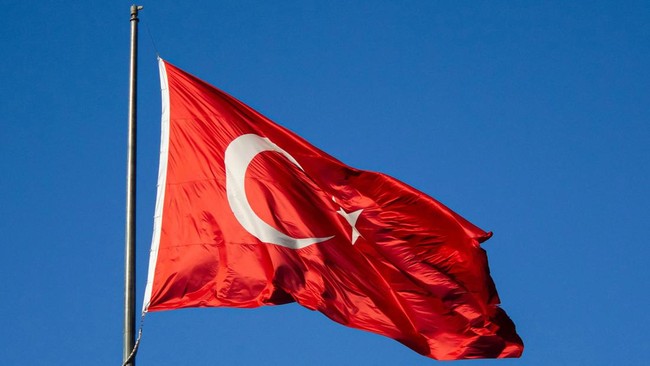
Turkey, a Muslim-majority nation, will host the 2026 NATO summit, gathering 32 alliance leaders alongside senior officials from the Gulf and Asia-Pacific regions in Ankara on 7 and 8 July. The summit is designed to strengthen military deterrence and showcase internal unity, as US President Donald Trump threatens to withdraw American troops, fighter jets, and warships from Europe over budget disputes and allies’ reluctance to help secure the Strait of Hormuz energy route. “NATO remains an unparalleled and fundamental platform for Euro-Atlantic security and defence,” Turkish Defence Minister Yasar Guler said, according to a Reuters report on Wednesday. “We view the current period not as a crisis, but as a process of adjustment to a changing security environment,” he added, referring to conflicts between several NATO members and the United States. Guler added that Washington’s extended nuclear deterrence and military presence remain a critically important strategic pillar for the alliance’s stability. As a result, the summit is expected to produce a concrete roadmap for strengthening Europe’s independent defence pillar. “It is expected that contacts and efforts to create a concrete roadmap for strengthening the European pillar will be intensified at the summit,” he stressed. Guler also asserted that the US has no intention of leaving NATO, but is demanding that European allies and Canada shoulder greater responsibility for Euro-Atlantic security. Turkey has emerged as NATO’s second-largest military power, having drastically reduced its defence industry’s external dependency through indigenous technology development. However, Ankara regrets that some Western countries continue to distance themselves and exclude Turkey from various joint European defence initiatives due to political differences. “We believe that excluding such an important capacity as Turkey from European defence initiatives is a strategically inaccurate approach,” Guler criticised, urging Europe to adopt a more visionary approach for the sake of regional defence effectiveness. To demonstrate its commitment to the alliance, Turkey confirmed its readiness to pursue a defence spending target of 5 percent of GDP by 2035, focusing budget allocations on drones, the integrated ‘Steel Dome’ air defence system, naval projects, and cyber security. Given the urgent need for domestic air defence missiles, Guler confirmed that Ankara remains open to purchasing Patriot systems from the US or the SAMP-T system from a Franco-Italian consortium. “Our core approach on this issue is clear: we are open to all cooperation that meets our country’s security needs, which includes technology sharing and joint production, and is sustainable and in line with the spirit of the alliance,” he concluded.