
Museum Visits Surge 400% as Government Revitalises Cultural Sites
Public visits to museums and cultural heritage sites have surged by up to 400% over the past year. The government attributes this increase to the revitalisation of several museums and efforts to introduce new experiences to attract the public, particularly the younger generation.
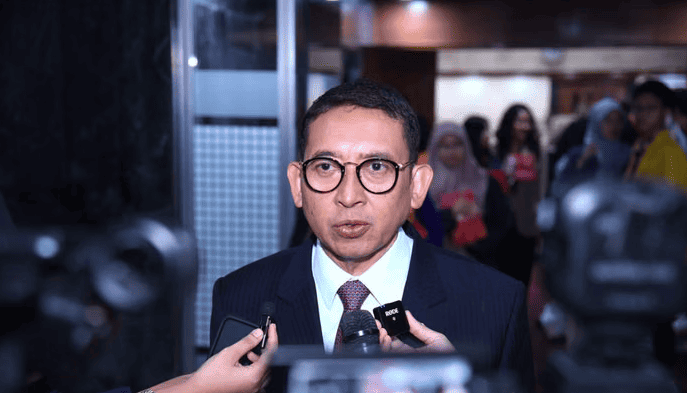
Minister of Culture Fadli Zon stated that the increased interest in museums is evident from the changing visitor numbers in several locations that were previously relatively quiet. One such example is the Museum Pusaka in Taman Mini Indonesia Indah, which experienced a surge in visits following improvements. “The increase in visits to cultural heritage sites and museums has risen by at least 400% in the last year,” he said at the Presidential Palace on Tuesday.
According to Fadli, simple revitalisation efforts at Museum Pusaka have successfully transformed its public appeal. The museum, which was previously rarely visited, now attracts thousands of people daily.
Observing this trend, the government plans to expand museum improvements across various regions. Fadli noted that the President has also provided direction for museums to function not merely as repositories for historical artefacts, but as public spaces with educational and economic functions.
“We want to improve almost all museums, following the President’s orders, including provincial museums, so that they can become cultural, educational, and learning centres, as well as hubs for the cultural economy,” Fadli said.
He explained that museum development in several countries has demonstrated that the cultural sector can hold significant economic value. Museums do not rely solely on entrance fees but also develop various revenue streams through souvenirs, restaurants, and coffee shops. This concept is currently being developed in Indonesia, using the National Museum as a benchmark for modern museum management.
“In other countries, museums always generate high revenue. Beyond that, there is merchandise, restaurants, and coffee shops; we are currently establishing this benchmark at the National Museum,” said Fadli.
In addition to facility improvements, the Ministry of Culture is introducing innovations to attract visitors, specifically from Gen-Z. One such initiative is the ‘museum passport’ programme, which allows visitors to collect stamps from the museums they visit.
Response to the programme has been exceptionally high. Fadli noted that the initial print run of 5,000 museum passports was immediately exhausted, forcing the government to reprint due to high demand.
“I initiated the museum passport. It turns out Gen-Z is extraordinary. We only printed 5,000, and they were gone. We printed more, and the demand was incredibly fast,” he revealed.
Through this programme, the government hopes the public will have additional motivation to visit museums while gaining a closer connection to Indonesian history and culture.
“I hope this serves as a trigger for them to visit museums, collect stamps, and enjoy various conveniences across museums throughout Indonesia,” he added.
Regarding the cultural economy, Fadli mentioned that progress is becoming visible as museum activities increase. However, the government is still conducting calculations to determine the exact economic value generated. “It is increasing. But we will see the final figures at the end of the year,” he concluded.
Source: jawawa.id (https://jawawa.id/newsitem/museum-visits-surge-400-as-government-revitalises-cultural-sites-1783421443)
Originally published by Media Indonesia (https://mediaindonesia.com/humaniora/908372/kunjungan-ke-museum-naik-400), translated from Indonesian