
Muro Festival in NTT: Lembata Residents Preserve Coastline and Safeguard Ancestral Heritage
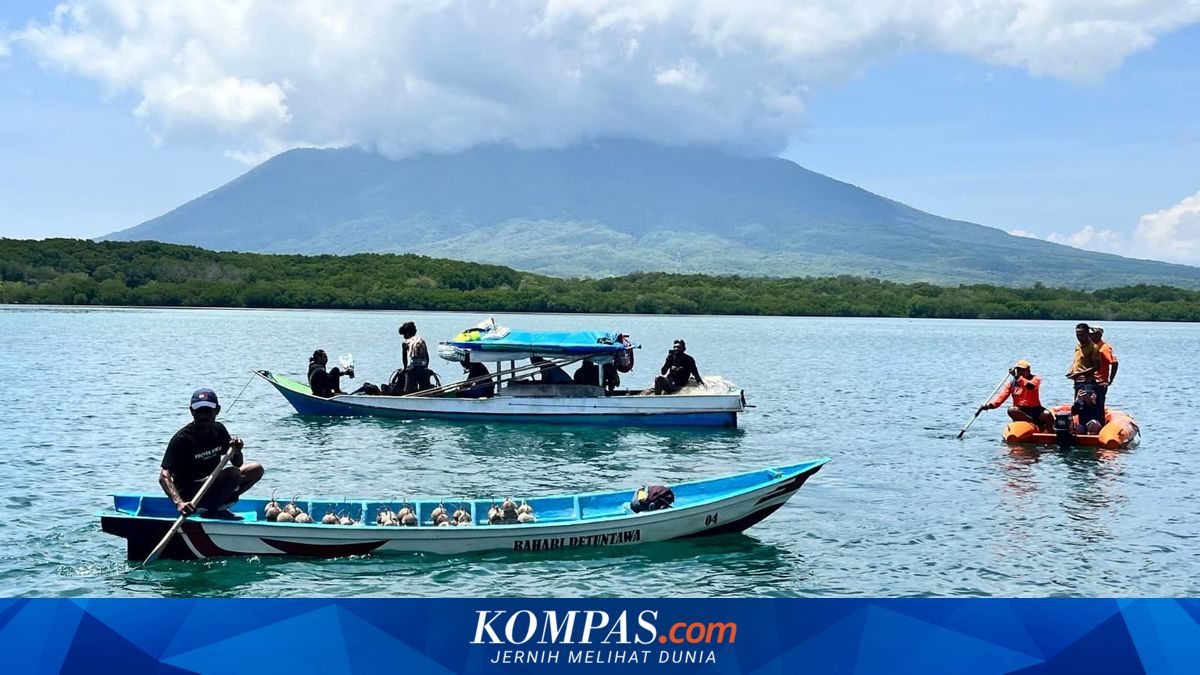
The Muro Festival was once again held in Lembata Regency, Nusa Tenggara Timur (NTT), over two days from Wednesday (22/4/2026) to Thursday (23/4/2026) in Riangbao Village, Ile Ape Subdistrict. The theme adopted was preserving the coastline and conserving culture. In Petuntawa Village, bioreeftek or artificial coral reefs were released using coconut shells. This method is considered effective as a substrate for coral planula larvae to attach. Over time, these larvae will develop into new coral colonies. The more larvae that attach and grow, the faster a healthy coral reef ecosystem forms. Ultimately, it will become an important habitat for various marine biota and maintain the balance of the coastal ecosystem. Chairman of the Muro Committee of Laranwutun Village, Beatus Goran, stated that the release of bioreeftek aims to restore damage to coral reefs. Beatus explained that Muro is a hereditary tradition of the Lembata community that regulates customary marine management. In practice, Muro is a form of temporary prohibition on taking marine products in certain areas for a specific period. “The aim is to give the marine ecosystem a chance to recover and develop,” he said. This tradition contains strong spiritual, social, and ecological values, while also serving as evidence that local communities have long had a conservation system based on local wisdom. He emphasised that the Muro Festival is not only an event for cultural preservation but also a means of education on marine conservation and an opportunity for developing tourism based on local wisdom. “The activities demonstrate how tradition and innovation can go hand in hand in protecting nature while improving the community’s economy,” said Kanisius. Chairman of the New Prosperous Development Foundation of Lembata Regency, Kornelia Penate, conveyed that the Muro area programme has been running for approximately one year in five assisted villages by Plan Indonesia, namely Muruona, Laranwutun, Riangbao, Petuntawa, and Dulitukan. “This programme is part of efforts to strengthen coastal communities in protecting the environment while improving welfare,” she said.