
Mumbai's Mangroves Under Threat as Coastal Road Project Sparks Environmental Outcry
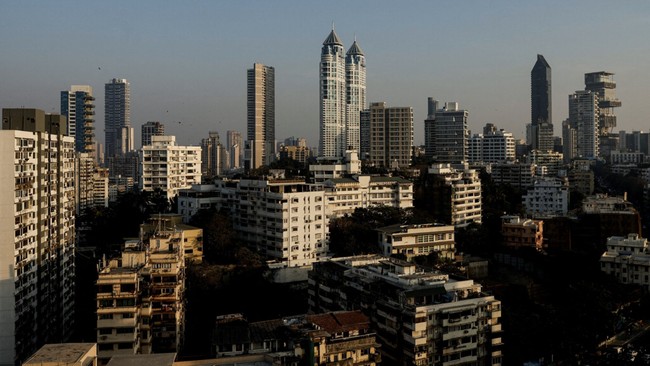
The Mumbai municipal government has launched a series of mega infrastructure projects to improve connectivity and ease traffic congestion in India’s financial capital. However, the construction of a new 26-kilometre coastal road is predicted to clear around 45,000 mangrove trees.
According to a Channel News Asia (CNA) report on Thursday (30/7/2026), the threat of this clearing has triggered deep concern among environmental activists and local residents. The removal of tens of thousands of mangrove trees is seen as likely to eliminate the city’s natural defence against tidal flooding, sea surges and the impacts of climate change.
Every monsoon season, heavy rainfall routinely submerges parts of Mumbai, paralysing residents’ daily activities. Rapid urbanisation over several decades has not been matched by improvements to drainage infrastructure, whilst the city’s low-lying coastal location makes it highly vulnerable to rising sea levels.
“Mumbai is an island city created from land reclamation, so the sea constantly presses against and erodes the land. Mangrove forests are the natural defence against these tides. As climate change raises sea levels, water pressure also increases, and mangroves are what hold back that destruction,” explained Stalin Dayanand, Director of the environmental group Vanashakti.
Compensatory Planting Scheme and Government Steps
The Bombay High Court has ordered the compensatory planting of approximately 174,000 new mangrove trees to replace those affected by the project. The replanting will take place at several locations, including along the new toll road route once construction is complete.
The Maharashtra state government has reaffirmed its commitment to balancing environmental conservation needs with urban infrastructure development. Local authorities have even established a dedicated Mangrove Cell unit since 2012 to protect, conserve and restore damaged areas, as well as to patrol against land encroachment.
“The planning authorities have promised to plant three to five times the number of mangroves that will be felled. Ultimately, the net result will be an increase in mangrove coverage in the city and the state, reflecting sustainable development,” declared Ameet Satam, a member of the Maharashtra Legislative Council.
Criticism from Environmental Activists and Loss of Ecosystems
Critics and environmental activists argue that planting new mangroves cannot instantly replace the function of mature forests, which take decades to grow fully. During that growth period, wildlife ecosystems face extinction and the livelihoods of local fishing communities could be drastically disrupted.
Estimated data show that around 40% of Mumbai’s mangrove forests were lost between 1991 and 2001 due to accelerating urbanisation. Dayanand believes the infrastructure project could in fact have been designed to pass over or underground to minimise damage, although this would cost slightly more.
Experts add that protecting mangroves alone will not be enough to solve Mumbai’s chronic flooding problems. Saving the mangrove forests must be accompanied by the modernisation of the city’s drainage system, better urban spatial planning, and the implementation of comprehensive climate adaptation measures.