
MUI Urges Government to Draft New Mining Permit Rules for Mass Organisations After Constitutional Court Ruling
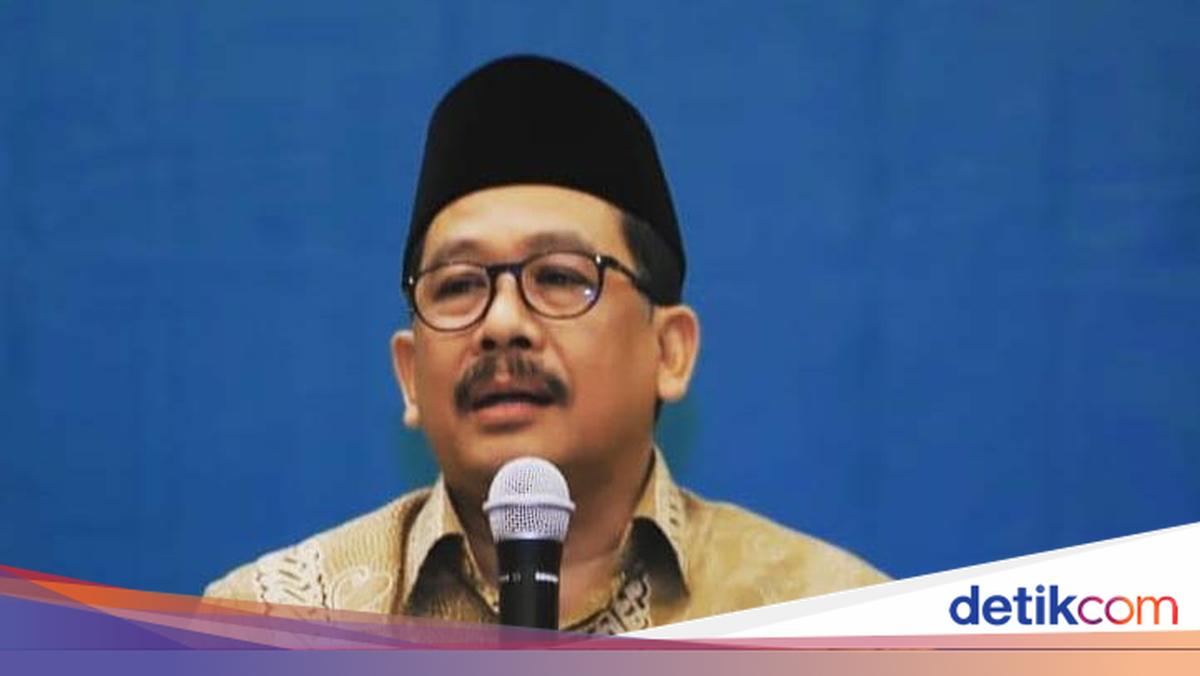
The Constitutional Court (MK) has ruled that mining business permits (IUP) for universities, cooperatives, and mass organisations cannot be granted through direct appointment. The Indonesian Ulema Council (MUI) has stated it respects the decision. “MUI fully respects the Constitutional Court’s ruling as the guardian of the constitution. The MK’s decision is final and binding, so all parties, including the government and mass organisations, must comply and use it as a valid legal reference,” said MUI Advisory Council Secretary Zainut Tauhid Sa’adi in a statement on Monday (20/7/2026). According to him, the utilisation of natural resources by religious mass organisations is intended for the benefit of the people and the economic independence of the organisations. However, its management must be carried out properly, transparently, and accountably. “The MK’s decision to correct the direct appointment mechanism essentially strengthens good governance to prevent social jealousy and potential collusion,” he said. He stated that the policy regarding mining business permits granted by the government to religious mass organisations is not an unlimited facility. He stressed that religious mass organisations must shift their focus from mere priority rights for concessions to fulfilling professional and transparent governance standards, as well as passing fair technical and administrative feasibility tests. “MUI underlines that natural resource management must prioritise the principle of public benefit. The implementation of transparent environmental impact analyses (Amdal) and the active involvement of local and indigenous communities are absolute requirements to minimise the risk of social disputes and ecological damage in the future,” he said. Therefore, Zainut requested the government to immediately follow up on the MK’s ruling. He urged the government to prepare a mechanism in accordance with constitutional principles. “We ask the government to immediately follow up on this ruling by formulating derivative regulations that are in line with the MK’s decision. The selection mechanism, offering, or partnership pattern that will be formed must still provide space for the economic contribution of mass organisations through competitive, objective procedures and in accordance with constitutional principles,” he said. The former Deputy Minister of Religious Affairs also urged all religious mass organisations in Indonesia to respond to the ruling wisely and make it a momentum to strengthen internal capacity. “Involvement in natural resource management must be supported by managerial readiness, professionalism, and full compliance with the law and the environment. Natural wealth must be managed for the public good (maslahah ’ammah) without damaging the ecosystem,” he concluded.