
MUI Supports 60% Hajj Cost Subsidy from Value of Benefits, Reminds Funds Must Come from Pilgrims
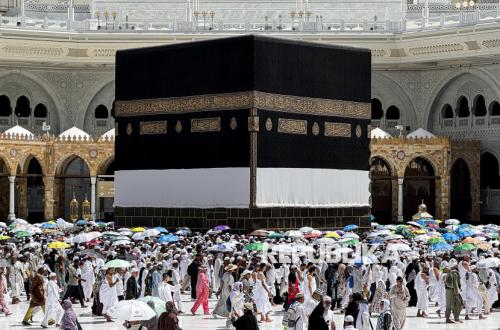
The Indonesian Ulema Council (MUI) has responded positively to a proposal by the Ministry of Hajj and Umrah to alter the composition of Hajj financing, provided the source of funds is clear. The proposal suggests that for the 2027 Hajj season, 60 percent of the costs be covered by the value of benefits managed by the Hajj Financial Management Agency (BPKH), with pilgrims paying the remaining 40 percent. This would reverse the current scheme where pilgrims bear approximately 61 percent of the cost.
Wakil Ketua Umum MUI, KH M Cholil Nafis, stated that the plan is acceptable as long as the value of benefits is derived from the funds of the pilgrims who are actually departing. “That is good, as long as the value of benefits comes from the Hajj candidates who are going, not from the profit-sharing of those still on the waiting list,” Kiai Cholil said on Tuesday.
He also addressed the public perception that Hajj costs are subsidised by the state. Kiai Cholil clarified that there is no government subsidy in the current Hajj operational costs. He explained that the value of benefits used to cover the expenses is generated from the management of the initial deposit funds paid by the pilgrims during their waiting period. Therefore, the funds essentially belong to the pilgrims themselves. “In reality, there is no subsidy in the Hajj costs, because it comes from the development of the pilgrims’ own funds during the waiting list period. Since they are using a virtual account, there is no subsidy,” he concluded.