
MUI Speaks Out on Proposed Hajj Cost Increase of Rp 107 Million
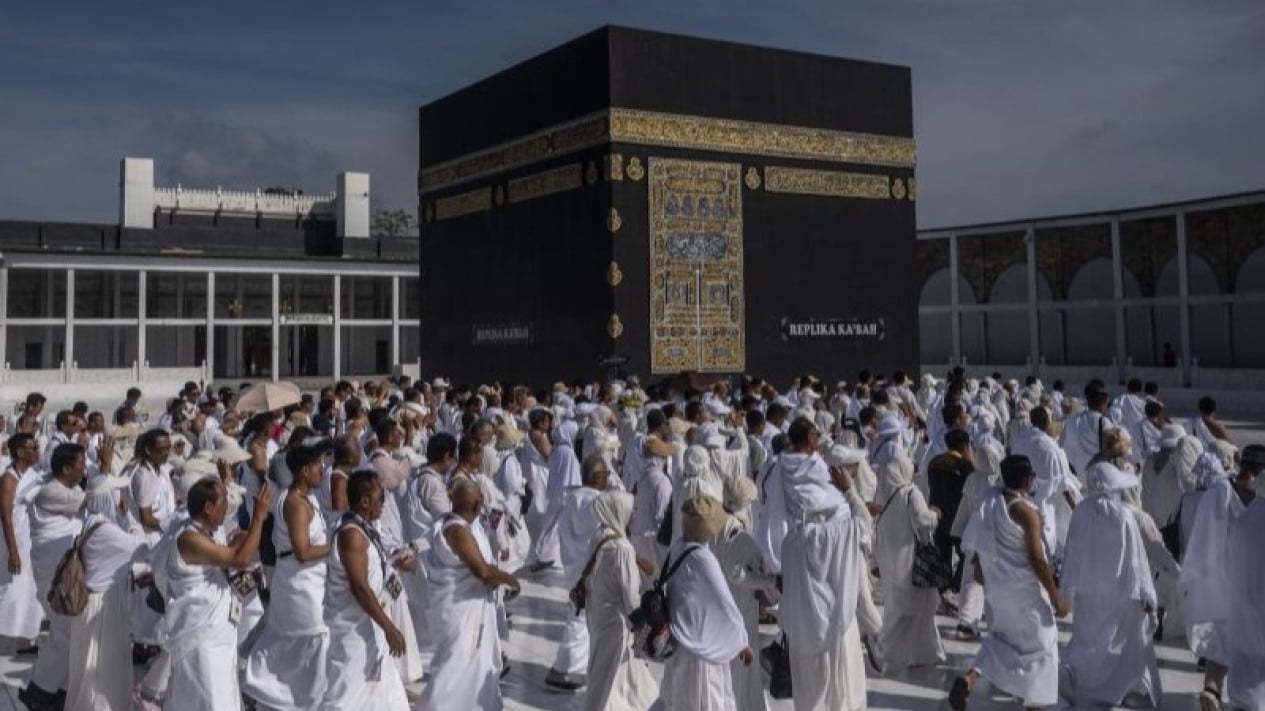
Jakarta, VIVA – Deputy Chair of the Indonesian Ulema Council (MUI), Cholil Nafis, has said that the hajj financing scheme should return to the principle of manistaṭā’a ilaihi sabīlā, namely that hajj is an obligation only for Muslims who are financially capable.
“Those who go on hajj are those who can afford the way,” said Cholil Nafis when contacted in Jakarta on Wednesday, responding to the proposed hajj costs and financing scheme put forward by the government for the 2027 hajj season.
Through the Ministry of Hajj and Umrah, the government has proposed a hajj organiser’s cost (BPIH) of Rp 107.34 million per person for 2027, an increase from the previous year’s cost of Rp 87.4 million.
To keep the cost paid directly by pilgrims affordable, the ministry proposed a financing scheme comprising 60 percent from the returns generated by the Hajj Financial Management Agency (BPKH) and 40 percent from the Hajj Travel Cost (Bipih) paid entirely by prospective pilgrims.
Kiai Cholil said the term ‘subsidy’ in hajj costs is actually inaccurate, because the funds used do not come from the government budget, but rather from returns on the initial deposits of prospective pilgrims during the waiting period before departure.
“In reality, there is no subsidy within the hajj costs, because the money belongs to the pilgrims themselves. So it is the returns generated during the waiting list period that belong to them. Once a virtual account is used, there is no subsidy,” said Kiai Cholil.
He expressed the view that the current distribution of returns on hajj funds needs to be reviewed so that it is fairer to all prospective pilgrims, including those still queuing for departure.
“The term subsidy used today does not come from the government, but from the overall returns distributed mostly to those departing for hajj. Meanwhile, those on the waiting list who have not departed receive a very small share. So fairness in the distribution of returns does not materialise,” he said.
“So in reality there is no such thing as a subsidy. Return to the principle that it is for those who are able; those who cannot afford it, Allah does not obligate to perform hajj,” he affirmed.
Echoing Kiai Cholil, a commentator on social, economic and religious affairs who is also MUI Deputy Chair, Anwar Abbas, said that the obligation to perform hajj for a Muslim is closely tied to the question of istithaaah — capability in terms of health, material means, and mental readiness.
Source: jawawa.id (https://jawawa.id/newsitem/mui-speaks-out-on-proposed-hajj-cost-increase-of-rp-107-million-1783518769)
Originally published by VIVA.co.id (https://www.viva.co.id/berita/nasional/1912037-mui-buka-suara-soal-usulan-biaya-haji-naik-rp-107-juta), translated from Indonesian