
MUI Pushes for Housing Access for Informal Workers
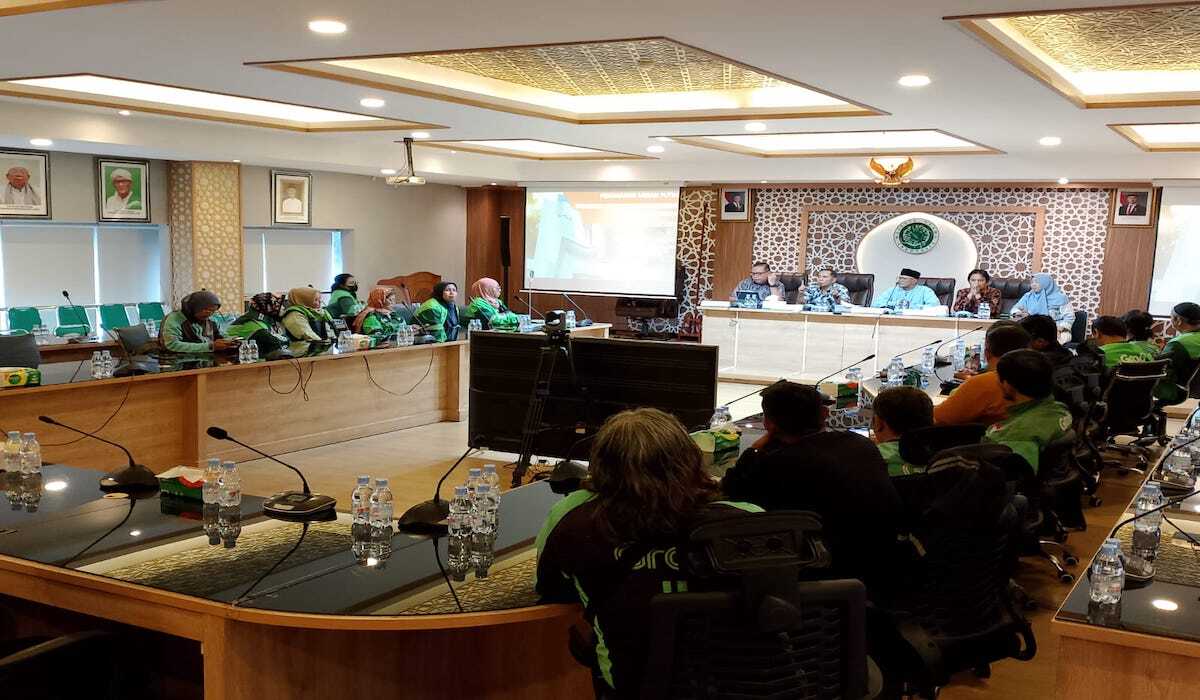
The Lembaga Penggerak Ekonomi Umat Majelis Ulama Indonesia (LPEU MUI) has launched the Merah Putih Housing Program, a syariah-based housing scheme aimed at informal sector workers, particularly online motorcycle taxi drivers (ojol). The programme is an effort to open access to home ownership for workers who have long struggled to obtain conventional Home Ownership Credit (KPR). Deputy Secretary for Housing and Settlements, Rully Muliarto, explained that the programme uses the istisna contract, a sharia financing system that ensures the price of a home is agreed from the outset without the risk of floating interest. According to Rully, the payment schedule is designed to suit daily earnings of ojol drivers. Through a system known as “Setoran Seharga Kopi,” participants can instal from Rp40,000 per day via a virtual account.
“The workers do not need to bear large bills at the end of the month, but can set aside daily earnings gradually,” said Rully at the Silaturahmi and Sarasehan event with all Jabodetabek Grab Electric Coordinators at Buya Hamka Hall, MUI Central Building, on Wednesday (4/3).
He explained that this is a tangible step by LPEU MUI towards promoting housing ownership equity for informal workers who often face banking requirements, such as non-bankable status and BI Checking obstacles.
The programme is also described as aligned with the government vision of President Prabowo Subianto to meet the target of delivering 3 million homes for the people.
In addition to the daily instalment scheme, the programme offers several key features, including no BI Checking, with eligibility verified based on income history from the ojol app dashboard over the last six months. The down payment (DP) is also flexible, at around 5%-20% depending on participants’ means.
The planned housing will be built in suburban areas with transport access and proximity to order activity hubs, such as areas with restaurants and offices. The area is designed to have a productive ecosystem, including an Ojol Hub, self-service vehicle facilities, and a centre for economic empowerment for residents’ families.
LPEU MUI Chair Mukhaer Pakkanna emphasised that the programme is part of MUI’s efforts to mobilise the umat economy while improving the welfare of informal workers.
“We want to ensure asphalt workers are not only hard-working on the streets but also own real, halal and blessed assets for their families,” said Mukhaer.
The Sarasehan gathering was also attended by senior LPEU MUI leaders, the Head of the Economics Department of the MUI Executive Board M. Azrul Tanjung, and representatives of the Jabodetabek Grab Electric coordinators, Oppa Deddy.
In the initial phase, programme registration will be conducted collectively through field coordinators in each zone. LPEU MUI teams will provide technical assistance to ensure the process runs transparently and targets ojol drivers who are the programme’s beneficiaries.