
MUI: Halal Certification Obligation is Essential to Fulfill Public Rights
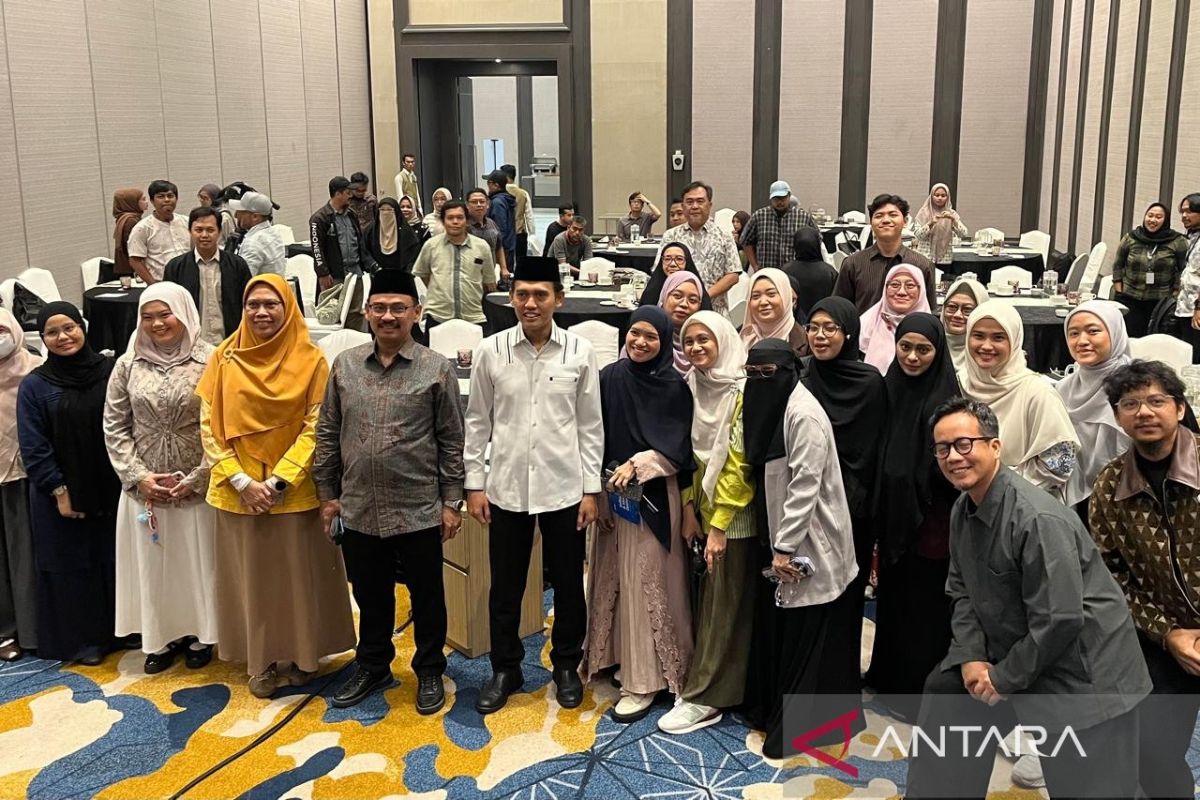
The Indonesian Ulema Council (MUI) has asserted that the obligation for halal certification is part of the state’s efforts to fulfil the public’s right to certainty regarding the halal status of the products they consume.
“In essence, halal product assurance is a public right. How can the state’s obligation to protect the public be delayed? This actually undermines public rights,” said the Chairman of the MUI Fatwa Commission, AsrorNiam, in Jakarta on Wednesday.
Asrorun stated that halal product assurance holds a significant position in the national context as it relates to religious rights guaranteed by the constitution.
This provision, he noted, is translated through Law Number 33 of 2014 concerning Halal Product Assurance (JPH), which regulates the mandatory halal certification for products produced and distributed within Indonesia.
He explained that Law Number 33 of 2014 was passed on 17 October 2014, providing a five-year preparation period. The halal certification obligation was originally intended to become effective from 17 October 2019.
However, the implementation of this policy underwent adjustments due to the readiness of infrastructure and business actors. Subsequent regulations, including the Job Creation Law and Government Regulation Number 39 of 2021, provided relaxation for the implementation of mandatory halal certification until 2024.
Ultimately, the deadline for halal product requirements has shifted again to 18 October 2026. On that date, all goods and services circulating in Indonesia must be halal certified.
“There is still time, but there is no longer any room for excuses for delays. The longer the public’s rights remain unfulfilled, the more unjust we are being,” said Asrorun.
Echoing the MUI’s stance, the Deputy for Registration and Halal Certification at BPJPH, Mamat S. Burhanudin, stated that business actors, particularly medium to large enterprises, should have actually possessed halal certification for their products since 2024.
However, due to various considerations, the government has provided relaxation until 18 October 2026. Similarly, Micro, Small, and Medium Enterprises (MSMEs) must also comply with these regulations.
Therefore, he reiterated that once the halal mandate is enforced, there will be no further excuses for business actors to not certify their products.
On the other hand, the government will continue to conduct education, socialisation, and supervision to ensure all levels of society understand the importance of halal certificates ahead of the 18 October 2026 deadline.
“At the same time, we are also collaborating with various parties, other ministries, and the MUI to continue providing education and strengthening literacy regarding halal certification,” he added.