
MUI: Hajj Subsidy Demonstrates the State’s Commitment to Serving Worshippers
Jakarta (ANTARA) – The Indonesian Ulema Council (MUI) considers the government support provided through subsidies in the Hajj Pilgrimage Travel Cost (Bipih) framework to be evidence of the state’s role in managing and facilitating citizens’ needs, particularly in religious affairs.
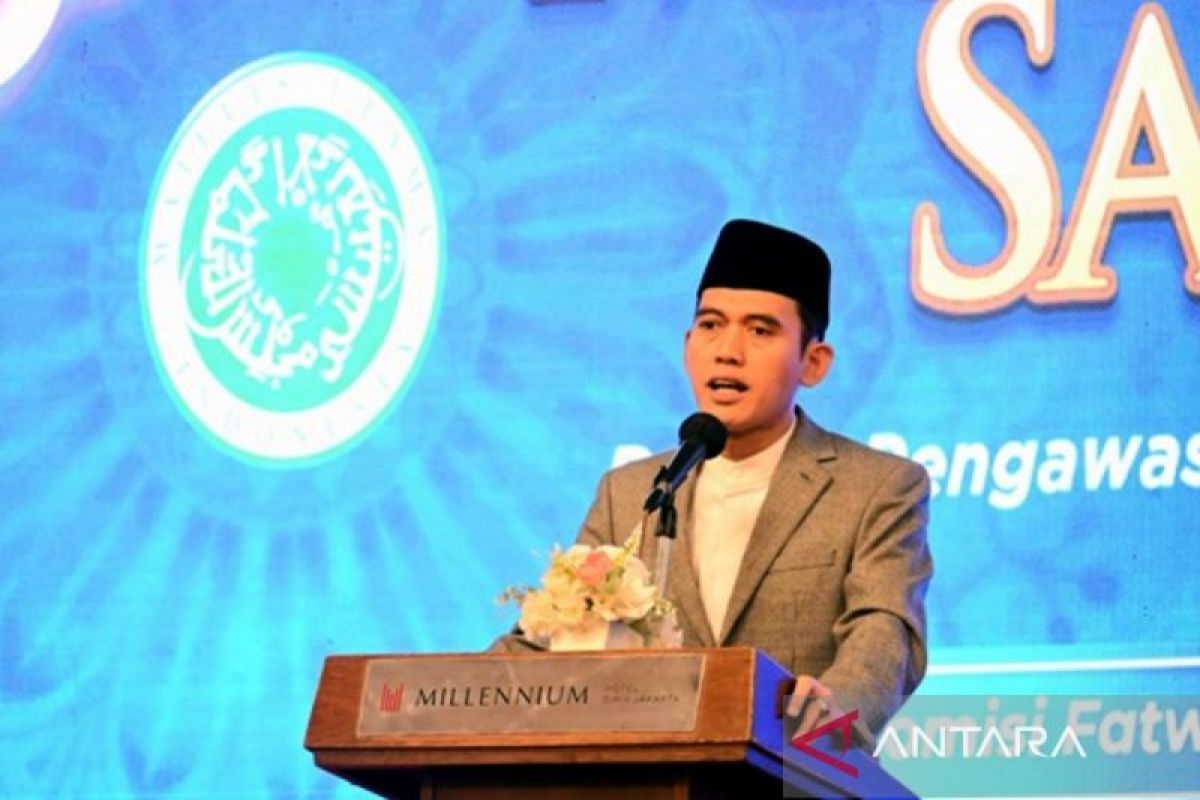
“(The subsidy) is proof that the state is present in matters concerning its citizens,” MUI Fatwa Commission Chairman Asrorun Niam Sholeh said in a telephone interview from Jakarta on Thursday.
Asrorun said it was normal for the state to provide assistance and subsidies to the public in various sectors. He compared the Hajj subsidy with support for primary education and energy, as well as social incentives, describing it as a tangible example of the state’s role in religious services.
“Istithaah is the ability that gives rise to the obligation to perform the Hajj pilgrimage. The means can vary, including receiving provision from Allah Subhanahu Wa Ta’ala (SWT) through another person,” he said.
The MUI also praised the House of Representatives (DPR RI) and the government for completing discussions on Hajj financing on schedule.
With financing arrangements finalised, preparations for the Hajj are expected to begin earlier and deliver better services to pilgrims. The transparency is also considered beneficial for the DPR’s oversight role and for enabling the government to provide accountable explanations.
Following the completion of the financing arrangements, the MUI urged the Ministry of Hajj and Umrah (Kemenhaj), under close DPR oversight, to ensure the quality of pilgrimage services on the ground.
“In this regard, Kemenhaj, with the DPR’s oversight, must ensure that Hajj services facilitate the requirements and pillars of the pilgrimage properly, completely and validly. It would be even better if they could also facilitate sunnah practices that enhance the completeness of the pilgrimage,” he said.
The MUI also stressed the importance of adjusting the management of Dam payments—the penalties paid by some pilgrims—to comply with Sharia principles and Saudi Arabian regulations. Saudi authorities have facilitated the slaughter of sacrificial animals for Dam, modernised its management and required that the slaughter be carried out through an official platform.
“Kemenhaj therefore needs to coordinate with Saudi Arabia, particularly Adahi, to improve the service, including making the meat available to Indonesians in need,” he said.