
MUI Formally Declares Vaping Haram: What Fatwa No. 131 of 2026 Says
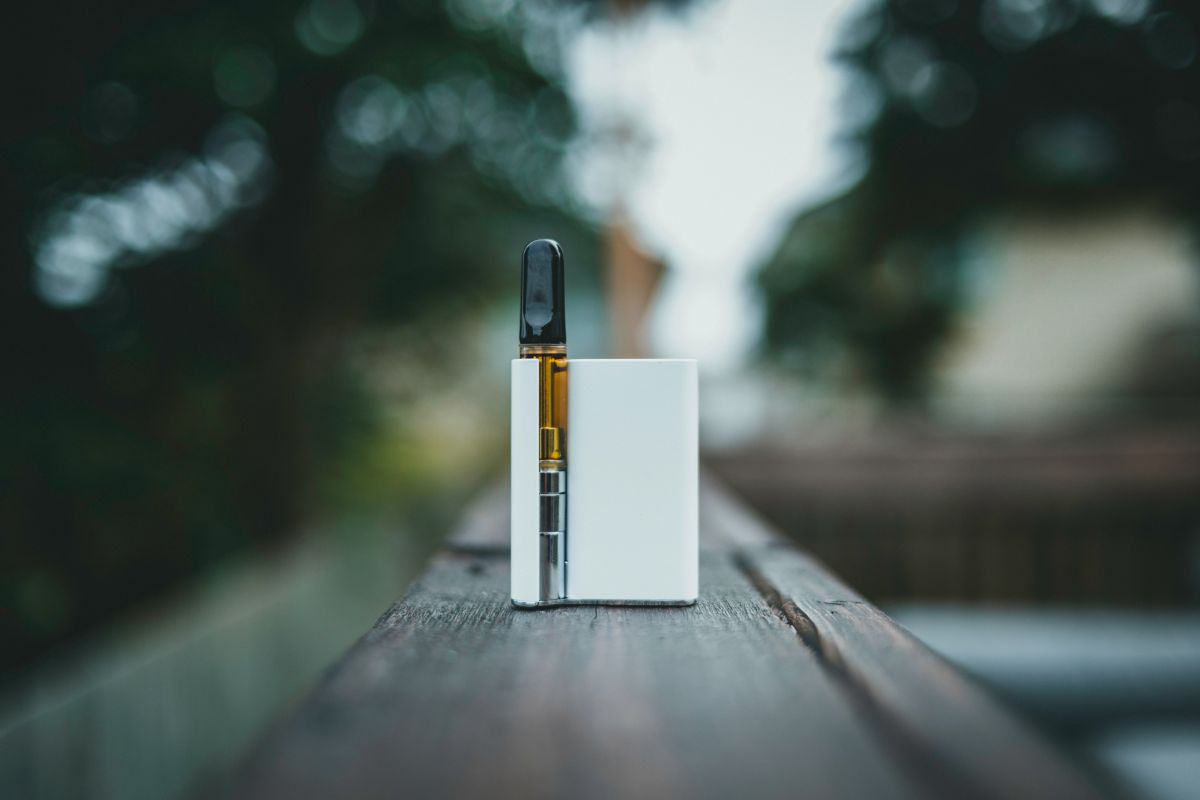
Jakarta (ANTARA) — The Indonesian Ulema Council (MUI) has formally declared the use of electronic cigarettes, or vapes, haram. The ruling is set out in MUI Fatwa No. 131 of 2026 on the use of electronic cigarettes (REL)/vapes, adopted in Jakarta on 6 November 2026.
The fatwa covers not only the use of vapes but also their misuse to consume narcotics, psychotropic substances and other addictive substances. It also declares the production and sale of e-cigarettes haram.
The decision was signed by MUI Fatwa Commission chairman Prof KH Asrorun Ni’am Sholeh and deputy secretary-general for fatwa affairs Dr KH Aminuddin Yaqub. It was acknowledged by MUI chairman KH Anwar Iskandar and secretary-general Buya Amirsyah Tambunan.
MUI says vape use is considered harmful to health, damaging to the environment and potentially a means of distributing and consuming narcotics and other prohibited substances.
What does MUI Fatwa No. 131 of 2026 say?
According to the official document issued by MUI, the fatwa has four main sections: general provisions, legal rulings, recommendations and closing provisions.
General provisions
The fatwa explains two key terms relating to e-cigarettes:
An electronic cigarette (REL), or vape, is a battery-powered or otherwise energy-powered device that heats substances containing nicotine, glycerine and flavourings to produce vapour or an aerosol for inhalation.
Nicotine is an alkaloid compound found naturally in tobacco plants or produced synthetically. Used in conventional and electronic cigarettes, it has pharmacological effects on the nervous system, is addictive and has negative effects on health.
Rulings on vape use
In the second section, MUI sets out three rulings concerning the use and commercial activities involving e-cigarettes:
Using an electronic cigarette (REL)/vape is haram because it harms health and the environment, and as a preventive measure (sadd al-dhari’ah) to stop it being used to distribute or consume narcotics, psychotropic substances and other addictive substances.
Misusing an electronic cigarette (REL)/vape to consume narcotics, psychotropic substances and other addictive substances is haram.
Producing and/or selling electronic cigarettes (REL)/vapes is haram.
The provisions therefore apply not only to vape users but also to those who manufacture and sell e-cigarette products.
MUI recommendations to the government and public
MUI makes the following recommendations:
The President and the House of Representatives (DPR) should promptly draft a law banning vapes and setting out sanctions, in order to protect the public.
The President should take swift action to control the circulation of e-cigarettes and protect the public from exposure and their harmful effects.
The government should co-ordinate across ministries, institutions and agencies to ensure that a vape ban is implemented in a co-ordinated manner.
The Ministry of Health should formulate a policy prohibiting e-cigarette use on public-health protection grounds.
The Food and Drug Monitoring Agency (BPOM) should tighten oversight of e-cigarette products and strengthen co-operation with the National Narcotics Agency (BNN) and law enforcement agencies on information-sharing and product enforcement.
The Ministry of Industry should prohibit licences for the vape industry and review its industrial licensing policy, taking into account the risk of misuse.
The Ministry of Finance should review fiscal policy, taking into account public-health protection and the prevention of product misuse.
BNN and law enforcement agencies should close off routes for drug distribution through vape devices and take action against their circulation and misuse.
Law enforcement agencies should take firm action against the misuse of vape devices to produce, store, distribute or consume narcotics, in accordance with applicable law.
Islamic community organisations, educational institutions, Islamic boarding schools and families should expand education and public awareness about the ruling that vape use is haram and its health risks.
The public is urged to avoid using e-cigarettes and to play an active role in protecting children and teenagers from exposure and nicotine dependence.
All stakeholders should strengthen co-ordination and periodically assess the effectiveness of e-cigarette control policies in light of scientific developments and the public interest.
Closing provisions
MUI states that Fatwa No. 131 of 2026 takes effect from the date of its adoption. If revisions or improvements are needed in future, the provisions may be amended accordingly.
MUI also urges Muslims and other interested parties to familiarise themselves with the fatwa and share its contents. It was adopted in Jakarta on 26 Jumadil Awal 1448 AH, corresponding to 6 November 2026.
Why are vapes a health concern?
Apart from religious considerations, e-cigarettes are a concern for health authorities because of the nicotine and chemicals in their liquids.
In a publication dated 12 May 2026, the World Health Organization (WHO) said e-cigarettes produce an aerosol inhaled by users. Vape liquids may contain nicotine, additives, flavourings and chemicals that could be harmful to health.
Nicotine is addictive and can lead to dependence. Exposure is of particular concern for children, teenagers and young people because it can interfere with brain development.
The US Centers for Disease Control and Prevention (CDC) says e-cigarette aerosol is not simply water vapour. It may contain fine particles, heavy metals, volatile organic compounds and chemicals that could cause health problems.
The long-term effects of vaping are still being studied. E-cigarettes therefore cannot be considered entirely safe for health.
Does the fatwa immediately make vaping illegal in Indonesia?
The public should understand that an MUI fatwa and a ban enacted through legislation are two different things.
Fatwa No. 131 of 2026 is a religious ruling issued by MUI. Its recommendation that a law be drafted indicates that MUI is asking the government and the DPR to prepare legislation banning vapes and providing for sanctions.
The recommendation does not mean that a law banning vapes is already in force. The public should distinguish between MUI’s religious ruling and state law to avoid misunderstanding the consequences of the fatwa.
Source: jawawa.id (https://jawawa.id/newsitem/mui-formally-declares-vaping-haram-what-fatwa-no-131-of-2026-says-1794473729)
Originally published by Antara (Indonesian) (https://www.antaranews.com/berita/5848999/mui-resmi-tetapkan-vape-haram-ini-isi-fatwa-nomor-131-tahun-2026), translated from Indonesian