
MUI Fatwa Bans Vaping: What Lies Ahead for the Business and Industry?
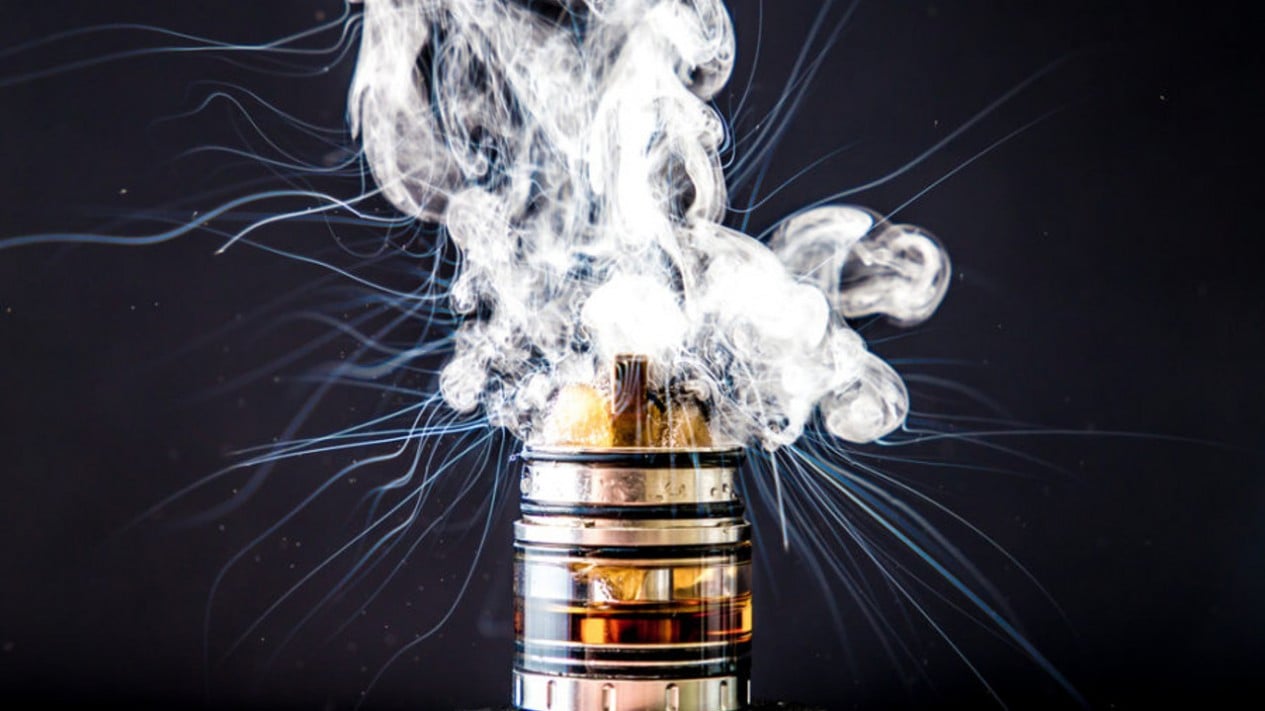
Jakarta, VIVA – Indonesia’s electronic cigarette, or vape, industry faces a new challenge after the Indonesian Ulema Council (MUI) issued a fatwa declaring the use, production and trade of vapes haram. The decision could alter the business landscape for the industry and encourage companies to seek opportunities beyond vape products.
MUI Fatwa No. 131 of 2026 on the Ruling on the Use of Electronic Cigarettes (REL)/Vapes was issued on Friday, 6 November 2026. Under its provisions, the MUI declared vaping haram, saying it endangers health, damages the environment and could serve as a channel for the distribution and use of narcotics, psychotropic substances and other addictive substances.
The ruling also covers vape production and trade. The MUI recommended that the government and the House of Representatives (DPR) promptly draft legislation prohibiting vapes and setting out penalties, while strengthening coordination between ministries and agencies to control their circulation.
The development means businesses need to prepare for possible policy changes. The vape industry involves not only the sale of devices and e-liquids, but also manufacturing, distribution and trade, as well as employment.
Amid the uncertainty, business opportunities could shift to alternative sectors. Companies with capital, production capabilities, technology or distribution networks may be able to redirect their assets into other fields with more sustainable prospects.
Alternative business opportunities beyond the vape industry
One option to consider is diversifying device technology. Businesses that previously manufactured vape devices could assess whether their manufacturing capabilities could be used to make other products, such as aroma diffusers or aromatherapy devices.
However, developing these products must still comply with applicable safety requirements, product standards and licensing rules. Health-benefit claims must not be made without scientific evidence and the necessary approvals.
Another opportunity lies in redirecting the industry’s supply chain. Vape-liquid manufacturers generally have experience in ingredient blending, flavour development and liquid-product packaging. These capabilities could potentially be adapted for other sectors, including food and beverage flavourings, cosmetic ingredients and household-care products.
Source: jawawa.id (https://jawawa.id/newsitem/mui-fatwa-bans-vaping-what-lies-ahead-for-the-business-and-industry-1794419517)
Originally published by VIVA.co.id (https://www.viva.co.id/bisnis/1942949-fatwa-mui-haramkan-vape-bagaimana-prospek-bisnis-dan-arah-industri-ke-depan), translated from Indonesian