
MUI Calls for Return to 'Manistaṭā'a' Principle in Hajj Financing
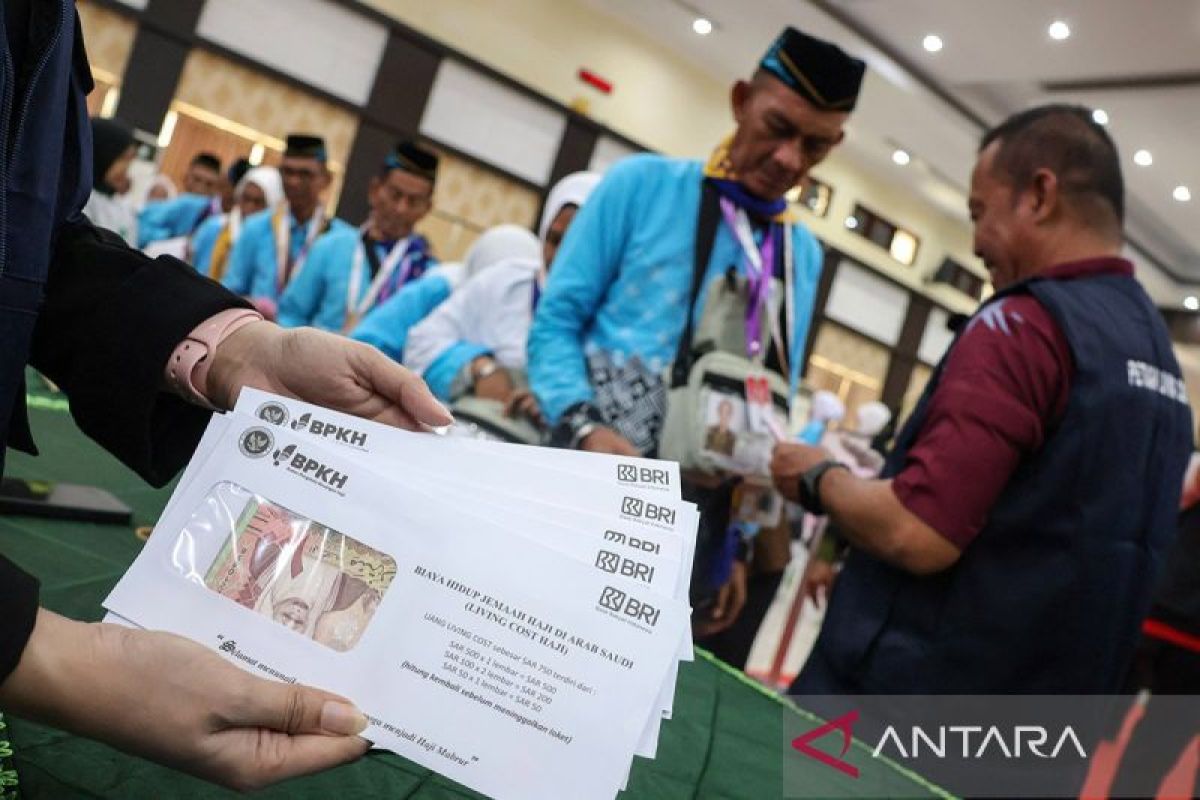
Jakarta (ANTARA) - The Indonesian Ulema Council (MUI) has stated that the hajj financing scheme needs to be returned to the principle of manistaṭā’a ilaihi sabīlā, meaning the obligation is only for those who are able. “People go on hajj based on manistaṭā’a ilaihi sabīlā,” said MUI Deputy Chairman Cholil Nafis in Jakarta on Wednesday, responding to the government’s proposed hajj costs and financing scheme for the 2027 season. The government, through the Ministry of Hajj and Umrah, has proposed a Hajj Travel Cost (BPIH) of Rp107.34 million per person for 2027, an increase from the previous year’s Rp87.4 million. To maintain affordability of the direct costs paid by pilgrims, the ministry proposed a financing scheme with 60 percent coming from the value of benefits managed by the Hajj Financial Management Agency (BPKH) and 40 percent from the Hajj Travel Costs (Bipih) paid directly by prospective pilgrims. Kiai Cholil argued that the term ‘subsidy’ in hajj costs is inaccurate because the funds do not come from the government budget, but rather from the returns on the initial deposits of prospective pilgrims during the waiting period. “Actually, there is no subsidy in the hajj costs, because it is their own money. The returns generated during the waiting list period belong to them. If a virtual account is used, there is no subsidy,” he said. He believes the current distribution of hajj fund returns needs to be reviewed to ensure fairness for all prospective pilgrims, including those still on the waiting list. “The term ‘subsidy’ currently used does not come from the government, but from the overall profit sharing, the majority of which is given to those departing. Meanwhile, those still waiting receive very little. So, fairness in the distribution of returns is not achieved,” he said. “Therefore, there is actually no such thing as a subsidy. Return to the principle of ability; Allah does not oblige those who are unable to go on hajj,” he stressed. Echoing this view, Social, Economic, and Religious Observer and MUI Deputy Chairman Anwar Abbas stated that the obligation to perform hajj is closely tied to the issue of capability, whether in terms of health, finances, or mental readiness. “Therefore, it is best that every person performing the hajj pilgrimage bears all the costs of their own pilgrimage. So, there should be no such thing as a subsidy or assistance,” he said. He emphasised that this clarification is important to ensure that prospective pilgrims do not take something that is not their right, including from the government, as the managed funds belong to the pilgrims. “We know that the value of the benefits obtained from managing the hajj deposit funds, after deducting costs, belongs to those who have paid the deposit. Therefore, if the government takes it, it must be with the permission of the prospective pilgrims who have not yet departed,” he said.