
MUI Calls for Hajj Costs to Reflect 'Manistata'a' Principle, Rejects Subsidy Label
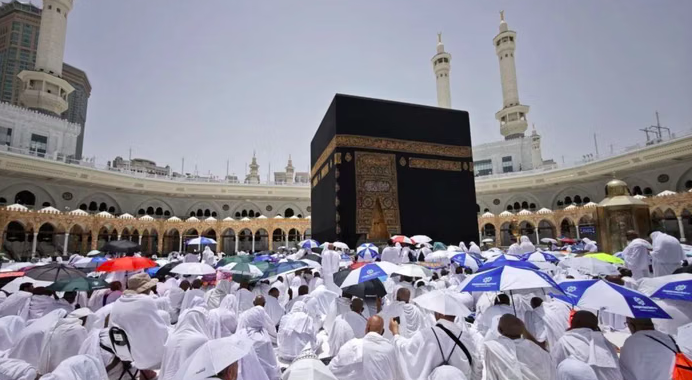
The Indonesian Ulema Council (MUI) has called for the Hajj financing scheme to be returned to the Islamic principle of ‘manistata’a’, which stipulates that the pilgrimage is obligatory only for those who are financially and physically capable. MUI Deputy Chairman Cholil Nafis argued that the current terminology describing the use of managed funds as a ‘subsidy’ is inaccurate, as the money originates from the initial deposits of the pilgrims themselves. “There is actually no subsidy in the Hajj costs, because the money belongs to them. The returns generated during the waiting period belong to the pilgrims. If a virtual account is used, there is no subsidy,” Cholil stated in Jakarta on Wednesday. He emphasized that the distribution of profits from the management of Hajj funds needs to be reviewed to ensure fairness for all prospective pilgrims, including those who are still on the waiting list and receive a smaller share of the returns compared to those departing. MUI Deputy Chairman Anwar Abbas echoed this sentiment, asserting that every pilgrim should bear the full cost of their pilgrimage and should not take what is not rightfully theirs. The government has proposed a 2027 Hajj travel cost (BPIH) of Rp107.34 million per person, with a financing scheme where 60% is covered by the value-added benefits managed by the Hajj Financial Management Agency (BPKH) and 40% is paid directly by the pilgrim.