
Muharram, Prophet Yusuf, and the Long Road to Food Security
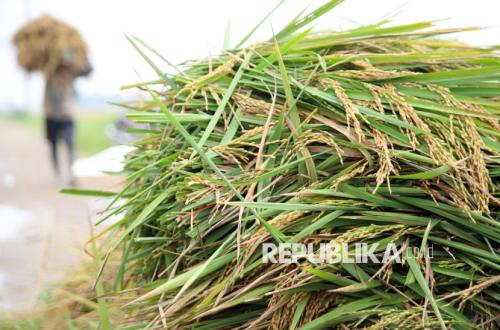
In the spiritual atmosphere of this Hijri New Year, we should not be trapped in mere ceremonial rituals. Muharram must be a reflective momentum to question how far this nation has truly ‘migrated’ from the systemic dependencies that threaten its sovereignty. One of the most existential threats looming over Indonesia today is food vulnerability. Amid our early-year prayers, global realities are sending danger signals that cannot be ignored. Unabating geopolitical tensions in various parts of the world, protectionism by food-producing countries beginning to close their export taps, and extreme climate change disrupting traditional planting calendars are loud alarms for us. Food is no longer just an economic commodity to be exchanged on the free market; it is the most crucial non-military defence instrument. A hungry stomach knows no ideology, and a nation whose food supply depends on the mercy of other nations will never be able to stand tall on the world stage. From an Islamic theological perspective, food security is not a profane matter separate from faith. It is a civilisational imperative that determines the life and death of a nation’s dignity. If we open the pages of the Qur’an, Allah has immortalised a grand narrative about the most precise food crisis management in human history through the story of Prophet Yusuf (Joseph). In Surah Yusuf verses 47-49, a nation (Egypt) is depicted facing a massive macro-cycle threat, visualised through the King’s dream of seven fat cows being devoured by seven lean ones, and seven green ears of grain and seven others that were dry. Prophet Yusuf did not respond to this crisis prediction with fatalistic surrender. He instead offered a blueprint, a scientific and measured concept of governance and food architecture. He said: ‘You will plant for seven years consecutively; and what you harvest, leave in its ear, except a little from which you will eat.’ (QS. Yusuf: 47). There are three main pillars in Prophet Yusuf’s food management that are highly relevant for Indonesia today. First, intensification and maximum productivity. The command to cultivate ‘as usual’ for seven consecutive years implies the need for consistency, hard work, and optimisation of all available land without wasting time. Second, storage technology and logistical efficiency. The instruction to ‘leave it in its ear’ was a post-harvest innovation of its time to minimise food loss and prevent the commodity from spoiling quickly.