
Muhammadiyah's Intravenous Solution
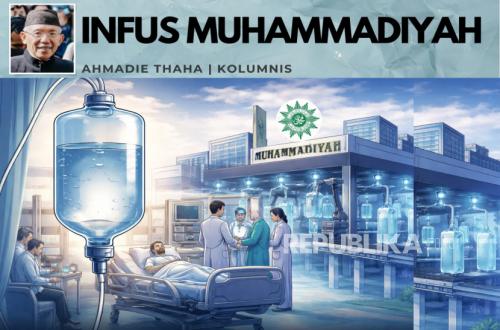
In the quiet rooms of hospitals, amid the ticking sounds of machines like borrowed time from God, there is one simple object that often escapes attention: a clear bottle containing liquid that drips slowly. It appears insignificant, hanging from an iron stand, as if merely a decorative element of suffering. Yet, within it flows life. That is the intravenous infusion. Infusion is not merely water labelled for medical use. It is a sterile solution prepared with precision: pure water, electrolytes such as sodium and potassium, sometimes glucose, and even certain medications. It enters directly into the bloodstream, bypassing the body’s usual strict protocols. If the body is a sovereign state, then the infusion is a diplomat granted special access without immigration checks. Why is it so important? Because in certain conditions, the human body is like a city running out of supplies. Patients who are dehydrated, have lost blood, are unable to eat, or are in critical condition. In such situations, infusion is no longer an option but a necessity. It provides fluids, maintains blood pressure, delivers nutrients, and even serves as the primary route for administering drugs. Without infusions, many modern medical procedures would collapse like a building without a foundation. Ironically, for years, this vital need has largely depended on foreign production or a handful of domestic industries. We have hospitals, doctors, and patients, but for the fluid of life itself, we still often look abroad. A subtle yet profound irony. This is where Muhammadiyah’s step becomes intriguing, and somewhat dramatic. The organisation, long known for its charitable efforts in education and health, suddenly leaps to the upstream of industry: building an infusion factory worth Rp 800 billion. The figure is not small. This is not merely a project; it is a quiet declaration: that service is not enough without self-reliance. Imagine a network with more than a hundred hospitals, which has long purchased infusions from outside, now beginning to produce them itself—up to tens of millions of bottles per year. This is like a pesantren that no longer just teaches scriptures but also prints the paper, mixes the ink, and even produces the wood pulp. An integration that in economic terms is called vertical, but in layman’s language is: no longer wanting to depend on others. Of course, the first and most tangible benefits fall to Muhammadiyah itself. Costs can be reduced, supply more assured, quality better controlled. In a healthcare world often shaken by shortages and price fluctuations, this is an expensive form of peace of mind.