
Muhammadiyah Strengthens Hajj Guidance Ecosystem to Improve Services
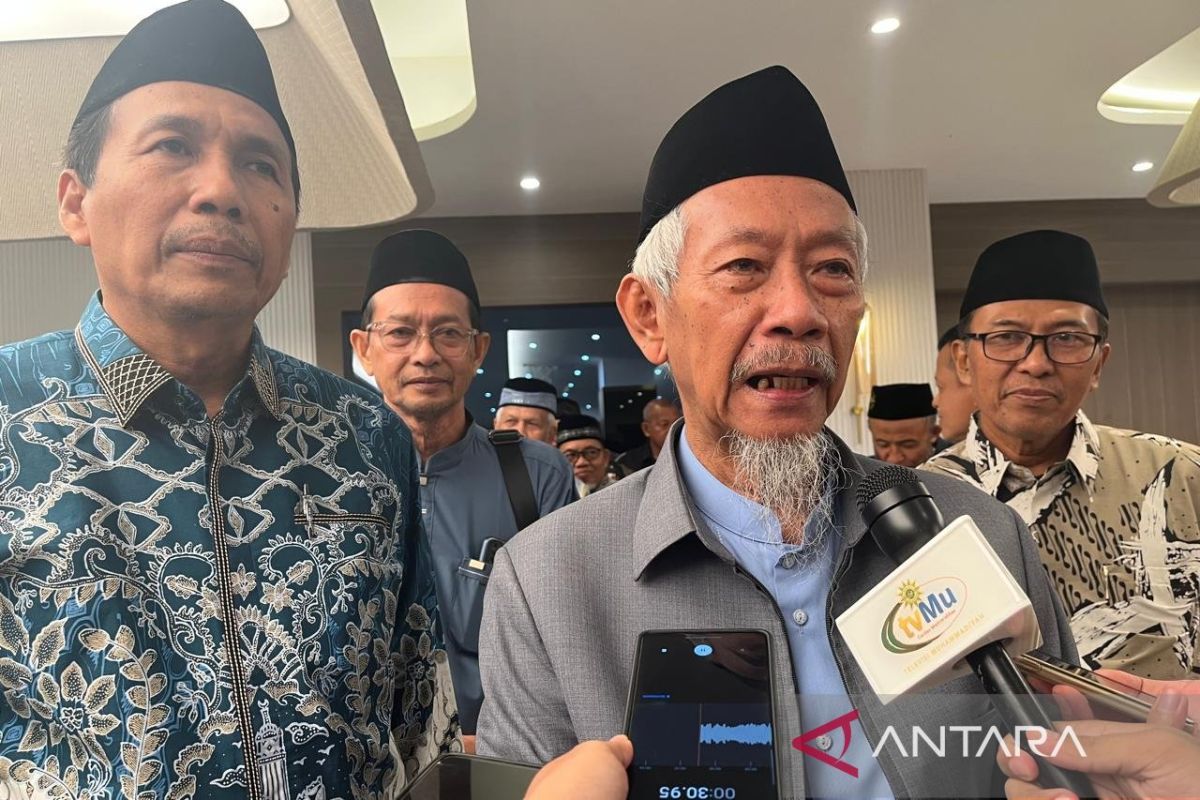
Jakarta (ANTARA) – Muhammadiyah’s central leadership held a National Working Meeting and Hajj deliberation to strengthen the ecosystem and institutional framework for organising the pilgrimage. The event focused on consolidating Muhammadiyah’s Hajj and Umrah Guidance Groups (KBIHU) to improve the quality of services for pilgrims.
“If these institutions are consolidated and work in synergy, they will represent a very large economic opportunity,” said Muhammad Ziyad, chair of the Hajj and Umrah Development Institute of Muhammadiyah’s central leadership, in Jakarta on Friday.
He said this potential included Hajj ritual guidance, the provision of ritual equipment, pilgrims’ souvenir needs and Umrah services. The opportunities could be developed through inter-institutional co-operation and the consolidation of Muhammadiyah’s KBIHU groups.
Ziyad said strengthening the ecosystem was in line with the government’s attention to developing the economy associated with organising Hajj and Umrah.
As well as economic development, the National Working Meeting and Hajj deliberation aimed to strengthen co-operation and collaboration in Hajj services, including informing pilgrims about government policies.
He said KBIHU groups had a strategic role in helping pilgrims understand the health istitha’ah policy, which is one of the requirements for performing Hajj.
“KBIHU groups throughout Indonesia have a duty to advocate for and explain this government policy to pilgrims so they can understand it properly,” he said.
Ziyad also highlighted the need for dedicated assistance for elderly pilgrims. He said around 65 per cent of Indonesian pilgrims were elderly, requiring a more comprehensive approach to guidance, including helping pilgrims become more independent while carrying out the pilgrimage in the Holy Land.
He therefore stressed the importance of improving the KBIHU guidance curriculum so that pilgrims had a thorough understanding of the rituals, health matters and how to prepare for different conditions during their stay in Saudi Arabia.
Global geopolitical developments also needed to be taken into account when preparing pilgrims, Ziyad said. They should be familiarised with conditions in their destination, including differences in language, temperature and surroundings, so they could undertake the pilgrimage better prepared.
Meanwhile, Muhammadiyah central leader Saad Ibrahim drew attention to the governance of dam, or penalties paid for certain Hajj violations. He said its management in Indonesia should take the principle of public benefit into account, in order to deliver greater gains for the community.
“When we apply the principle of public benefit, almost anyone would conclude that it is more beneficial for the animal to be slaughtered, or the act to be carried out, in Indonesia itself,” Saad said.
He said managing dam in Indonesia would benefit people in need more than carrying it out in Saudi Arabia, where social conditions were considerably better. The principle of public benefit should therefore be considered in the management of Hajj dam.
“I do not know the conditions in Saudi Arabia precisely, but one can almost conclude that there are no poor people there, roughly speaking,” he said.
Source: jawawa.id (https://jawawa.id/newsitem/muhammadiyah-strengthens-hajj-guidance-ecosystem-to-improve-services-1792767125)
Originally published by Antara (Indonesian) (https://www.antaranews.com/berita/5808171/muhammadiyah-perkuat-ekosistem-kbihu-untuk-tingkatkan-layanan-haji), translated from Indonesian