
Muhammadiyah pushes for community-based social service transformation
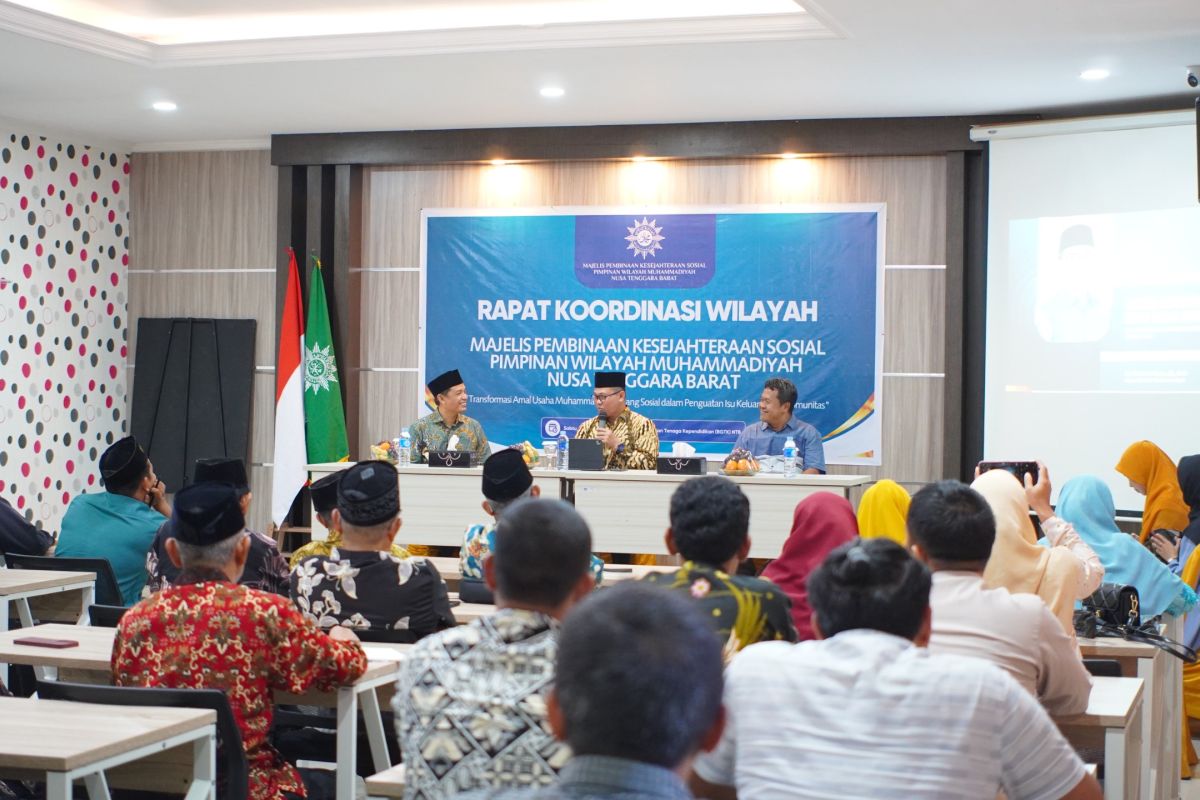
The Islamic organisation Muhammadiyah is encouraging a transformation of social services from orphanage management towards community strengthening, in an effort to address increasingly complex and diverse public welfare needs.
Mariman Darto, Chairman of Muhammadiyah’s Central Board for Social Welfare Development (MPKS), stated that the MPKS needs to broaden its work orientation, which has traditionally been synonymous with managing orphanages. “MPKS is not just about running orphanages; it must be present as a driver of community-based social services,” he said during a regional coordination meeting on the transformation of social charitable efforts in Mataram, West Nusa Tenggara, on Saturday.
Darto explained that this change in approach is crucial for Muhammadiyah to be able to respond to the various social issues developing within society. The 114-year-old organisation is initiating the establishment of a Community Welfare Solidarity Centre (PSKM) as a more adaptive and integrated social service model. The presence of this service centre is expected to strengthen Muhammadiyah’s social function, which has so far largely relied on childcare institutions and orphanages.
Meanwhile, Falahuddin, Chairman of Muhammadiyah’s West Nusa Tenggara (NTB) Regional Board, emphasised that the transformation of social services must also be accompanied by strengthening the quality of care in Child Welfare Institutions. He reminded that these institutions should not merely function as residences for children in need of social protection. Falahuddin also encouraged the drafting of a childcare guidebook to serve as a common reference for all Child Welfare Institutions in West Nusa Tenggara.
“Social service is an important part of Muhammadiyah’s mission to serve the people, especially the poor and vulnerable groups. This council is essentially a development of the ‘Penolong Kesengsaraan Oemoem’ (General Relief of Distress), which was inspired by the concept of al-ma’un and initiated by Kiai Syuja’ in 1918,” he concluded.