
Muadalah teachers and formal early religious education receive professional allowance
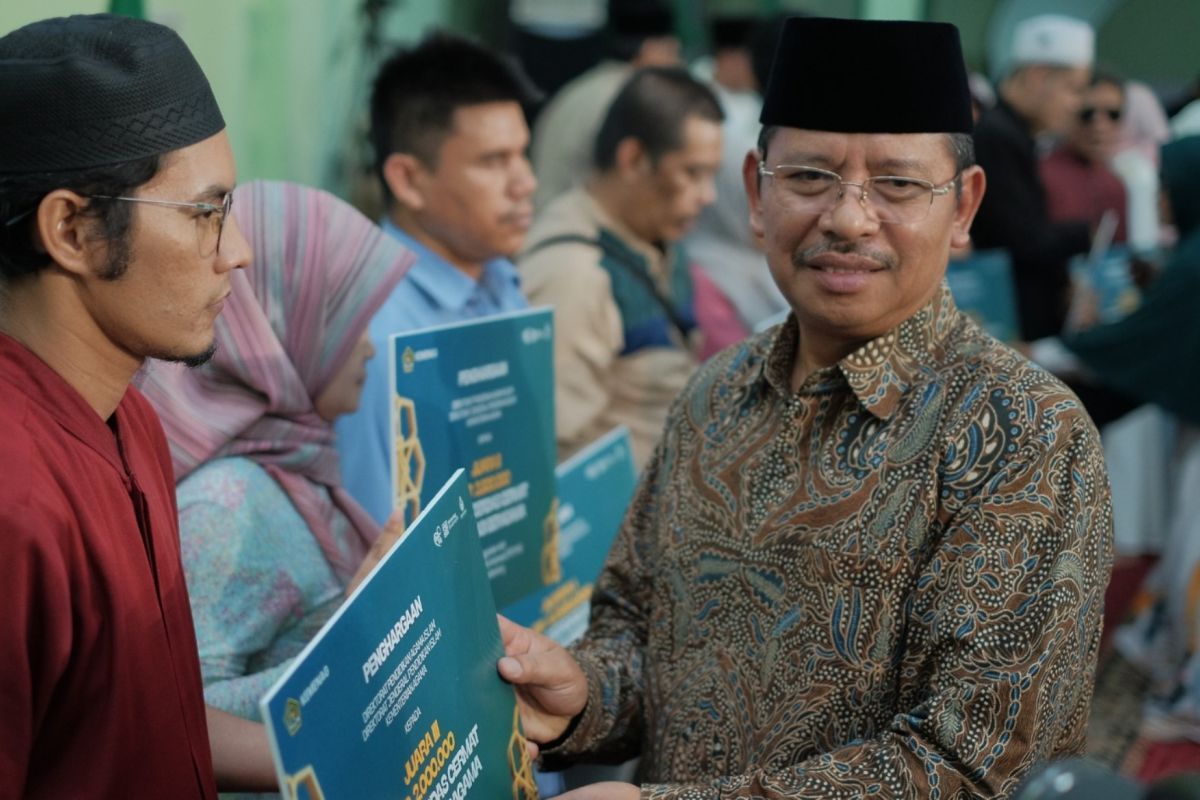
Jakarta (ANTARA) - The Ministry of Religious Affairs has ensured that non-civil servant (ASN) educators in Muadalah Education Units and Formal Early Religious Education (SPMPDF) will receive the Teacher Professional Allowance (TPG).
Director General of Islamic Education at the Ministry of Religious Affairs, Amien Suyitno, stated that the allowance will begin to be disbursed in the first quarter of 2026 for 267 teachers in Muadalah Education Units and Formal Early Religious Education who already hold educator certificates.
“In line with the directive from the Minister of Religious Affairs, the disbursement of TPG is a key focus for us. Enhancing the quality of human resources and teacher welfare is a national development priority,” said Suyitno in Jakarta on Wednesday.
Suyitno explained that the disbursement of this professional allowance serves as the state’s recognition of the dedication and professionalism of teachers in Indonesia.
The Ministry of Religious Affairs, through the Directorate General of Islamic Education, continues to refine the professional allowance distribution system to make it more accountable, transparent, and targeted.
“Teachers are at the forefront in shaping the character and future of the nation’s generation. The government continues to strive to ensure that teachers’ welfare is adequately met,” said Suyitno.
According to him, the TPG disbursement for teachers in Muadalah Education and Formal Early Religious Education will be carried out gradually, on a quarterly basis.
“We ensure that teachers who meet the requirements will receive their entitlements properly,” he said.
Suyitno hopes that this TPG will serve as a stimulus for teachers in pesantren environments to enhance the quality of learning and strengthen their role in shaping the character of students.