
MTI Urges Palindra Toll Road to Evaluate Haze Early Warning System
Palembang (ANTARA) - The Indonesian Transport Community (MTI) is urging the operators of the Palembang - Indralaya (Palindra) Toll Road to evaluate their early warning systems to mitigate the dangers posed by haze.
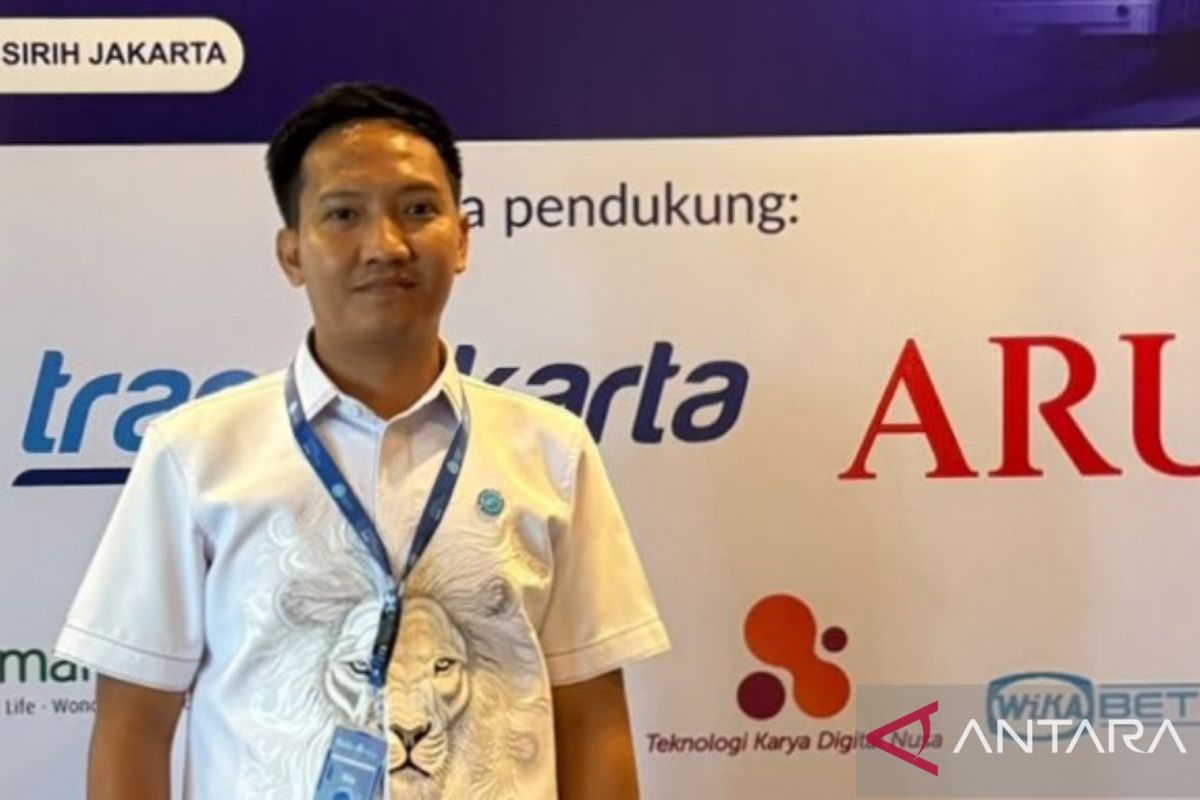
Speaking in Palembang, South Sumatra, on Sunday, M. Alkautsar, Chairman of the Toll Road Network Ecosystem Forum of the MTI Central Board, stated that this measure is necessary to prevent a recurrence of multi-vehicle accidents, such as the incident involving DAMRI and ALS buses on Saturday (5/9) caused by haze.
He emphasised that safety systems on high-speed roads must not be reactive, but must instead operate in a measurable manner before risks escalate into incidents.
“A reduction in visibility of even a few seconds can significantly increase the risk of accidents. The early warning system must function before the risk transforms into an incident,” he said.
He explained that the emergence of suspected haze, which triggers extreme reductions in visibility, should not be viewed as a minor issue.
MTI believes there is a need for a thorough evaluation of the readiness of risk mitigation systems, rather than simply blaming driver error.
According to him, toll road operators must establish clear and measurable safety parameters when facing visibility disruptions. These parameters include defining safe visibility limits, mechanisms for adjusting vehicle speeds, optimising information on Variable Message Signs (VMS), increasing patrols, and establishing procedures for the temporary closure of toll segments if conditions are deemed dangerous.
To ensure effective field mitigation, the MTI Toll Road Network Ecosystem Forum is pushing for strengthened evaluation and cross-agency coordination, involving the Toll Road Regulatory Agency (BPJT), toll road business entities (BUJT), the police, the Regional Disaster Management Agency (BPBD), and local governments.
This step is expected to become a standardised prevention measure, not only for the Palindra Toll Road but also as a warning for the entire toll road network in the Sumatra region, which is highly vulnerable to land fires.
In addition to technical and operational evaluations, MTI is also encouraging that haze and land fire mitigation be officially included in the evaluation of the implementation of Minimum Service Standards (SPM) for toll roads, particularly regarding safety and emergency response aspects.
“User safety must be the primary metric. Toll roads are not enough to be merely smooth and possess good infrastructure; they must be capable of reading risks and responding to them before casualties occur. The Palindra incident must serve as material for evaluation, not merely be recorded as an accident statistic,” he concluded.