
MTI Stresses the Importance of Thorough Ship Seaworthiness Inspections
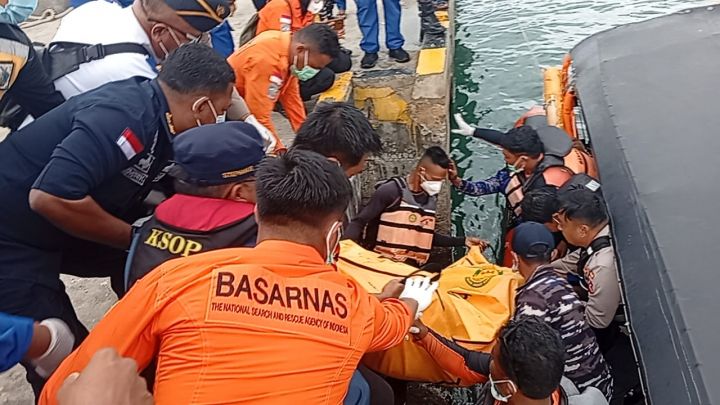
Djoko Setijowarno, an academic in the Civil Engineering programme at Unika Soegijapranata and adviser to the Indonesian Transport Society (MTI), has affirmed that ship seaworthiness inspections must be carried out thoroughly. This is crucial to ensure vessels can sail safely and meet stringent safety standards. He made the statement following the tragedy of the Virgo Transport 8, which sank in the Java Sea.
According to Djoko, seaworthiness inspections must not focus solely on a vessel’s visible physical condition. Their scope must be broad, covering stability, machinery systems, electrics, navigation, communications and the completeness of safety equipment.
“A ship’s seaworthiness is not just a matter of whether the vessel can move or not. All aspects of safety must be verified, from construction, stability, engines and navigation to communications and safety equipment,” Djoko told Media Indonesia on Tuesday (15/9).
He emphasised that search and rescue provisions are a vital component that must be examined. Equipment such as lifeboats, life rafts, lifebuoys, life jackets and distress signalling apparatus must be confirmed as available and fully functional when needed in an emergency.
In addition, inspections must also cover a ship’s load line to guard against the risk of overloading. The competence and certification of crew members, including the suitability of facilities for seafarers, are likewise an inseparable part of a seaworthiness inspection.
Djoko explained that seaworthiness inspections are conducted periodically according to prescribed stages.
“So it is not enough for inspections to be carried out only when a ship is about to depart. There are stages of inspection that must be met periodically in accordance with their cycle,” he added.
Beyond safety, inspections also target the protection of the marine environment. Ships are required to have proper waste and refuse handling systems, along with oil pollution prevention equipment and emissions controls that comply with regulations.
Once all technical and operational requirements are met, a vessel can then obtain a safety certificate and a pollution prevention certificate as the legal prerequisites for sailing.
Djoko cautioned that these documents should not become mere formalities. “Most importantly, certificates must not be merely administrative documents. The actual condition of the ship must genuinely match the inspection results and the required safety standards,” he asserted.
Source: jawawa.id (https://jawawa.id/newsitem/mti-stresses-the-importance-of-thorough-ship-seaworthiness-inspections-1789491103)
Originally published by Media Indonesia (https://mediaindonesia.com/humaniora/933821/mti-tekankan-pentingnya-pemeriksaan-kelaiklautan-kapal-secara-menyeluruh), translated from Indonesian