
MTI States KAI Has Extensive Experience Using Second-hand Trains from Japan
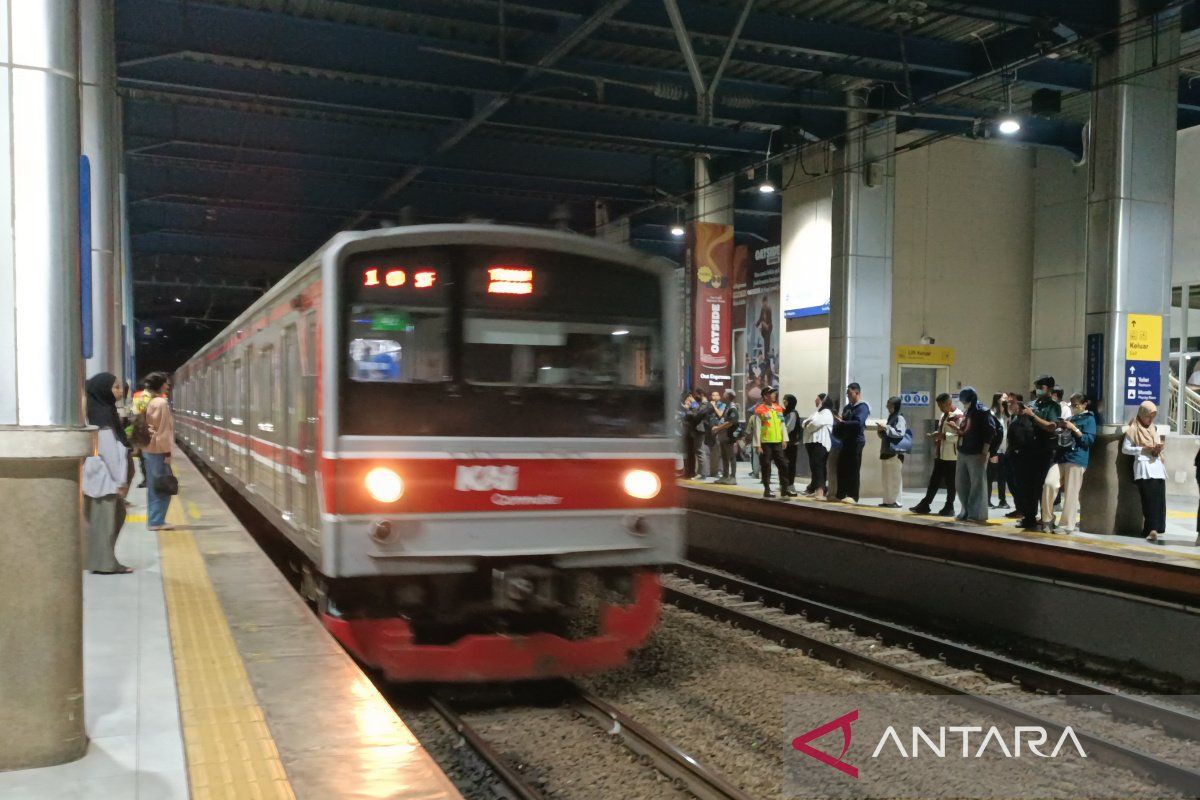
The General Chairman of the Indonesian Transport Community (MTI), Haris Muhammadun, stated that PT Kereta Api Indonesia (Persero), or KAI, already possesses significant experience in maintaining and operating second-hand electric multiple units (KRL) from Japan, particularly given the pressing demand for services.
“The need for public mobility services via mass rail transport is very urgent, and if we rely on new imports or new purchases, it will take too long, leaving the public to continue overcrowding during peak hours,” Haris told ANTARA in Jakarta on Monday.
According to him, KAI already has the capability to operate and utilise second-hand trains from Japan, so once the import plan is approved, they can be effectively deployed. He explained that Japanese trains are also relatively functional, especially since their infrastructure and systems are largely identical to Indonesia’s railway system.
“For this type of rail transport, importing or receiving aid in the form of second-hand trains from Japan is something we have extensive experience with, and they remain relatively functional,” he added.
Consequently, Haris noted that MTI agrees with the plan to import second-hand trains from Japan, provided certain notes are addressed, particularly regarding safety. “MTI’s position is one of agreement with several caveats, and the most important thing is that safety remains the top priority,” he added.
Previously, the President Director of KAI, Bobby Rasyidin, stated that KAI plans to import second-hand trains from Japan as a transition measure while domestic production remains inadequate. “This serves as our transition,” Bobby said when asked about the plan to import second-hand KRL sets.
He explained that importing second-hand trains is an urgent necessity, considering that many of the existing KRL units are over 40 years old. He noted that importing second-hand trains is a better option because it does not require a long lead time; once approved, the process takes only one to two months. This differs from importing new trains, which can take one to two years and may disrupt domestic production efforts.