
MTI proposes prioritising electric motorcycle incentives for remote areas
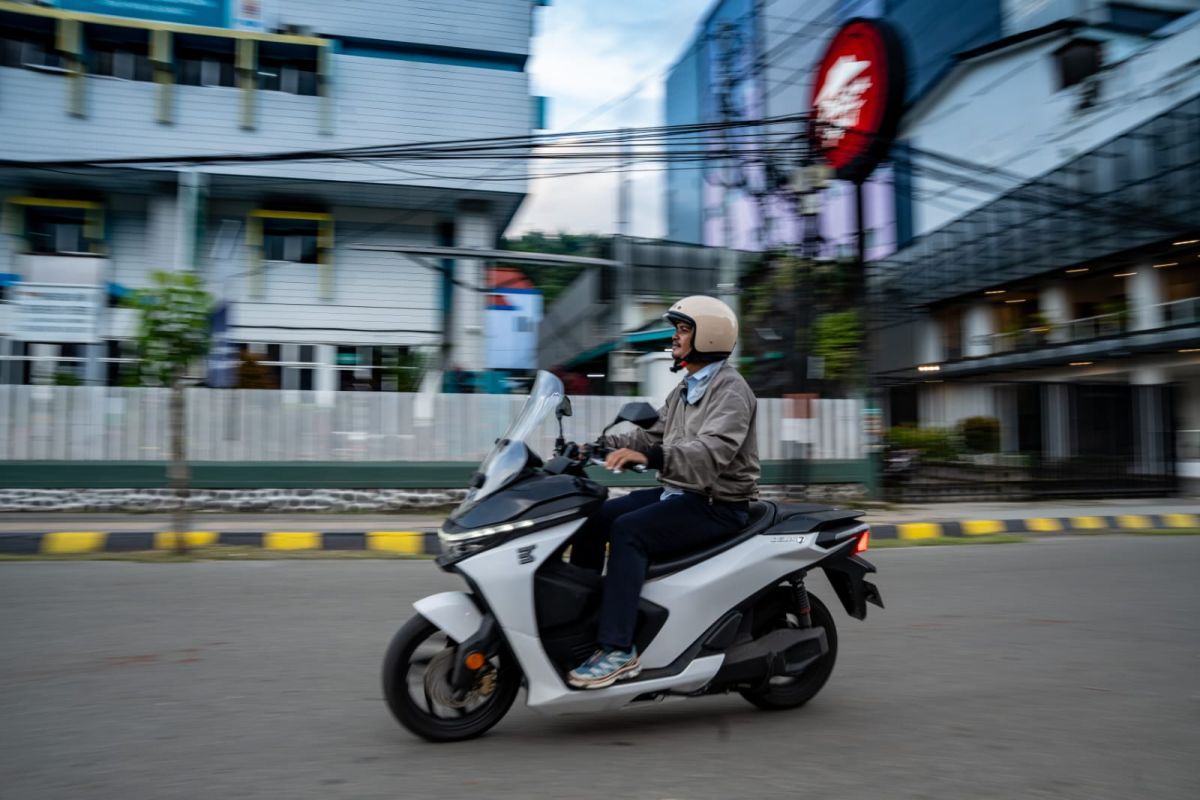
Electric vehicle incentives must not merely serve as a luxury for urban communities…
JAKARTA (ANTARA) - MTI Adviser Djoko Setijowarno has proposed that government-finalised electric motorcycle incentives be prioritised for communities in nickel mining areas and small islands facing limited fuel supply.
He stated that EV incentive policies need to be designed more fairly and precisely to ensure benefits reach those who truly need them.
‘The allocation of a Rp5 million electric motorcycle incentive must prioritise two groups: residents in nickel mining areas as a form of regional justice, and inhabitants of small islands grappling with energy security issues (fuel shortages),’ Djoko said in a statement on Saturday in Jakarta.
This step is crucial to anticipate new urban problems such as traffic congestion and rising motorcycle accident rates due to increased private vehicle ownership.
According to Djoko, the region-based policy has strong empirical grounds. One example is Asmat Regency, which has independently adopted electric vehicles since 2007 due to fuel supply constraints.
So far, EV incentive policies have not adequately considered communities in nickel-mining regions, the primary raw material for EV batteries.
‘Regions supplying the main battery materials are still trapped in cycles of poverty. It is ironic that amidst the green trend hype, extreme poverty persists among communities living on such resource-rich land,’ Djoko said.
Thus, providing EV incentives to nickel-producing regions carries symbolic value and strong social justice, as residents directly benefit from their local natural resources.
Beyond private vehicles, Djoko added that incentives could target three-wheeled electric motorcycles or commercial EVs used by farmers, fishermen, and traditional market traders in those areas.
He noted that lower operational costs of electric motorcycles compared to fuel-powered vehicles could help boost purchasing power in mining areas, where basic goods prices are typically higher.
On another front, Djoko urged the government to provide incentives to local governments (pemda) committed to developing electric-based public transport.
Currently, 42 regional governments have allocated regional revenue and expenditure budgets (APBD) for modern public transport through service purchase schemes (buy the service, or BTS).
Even Pekanbaru, Semarang, and Batam cities have local regulations governing public transport subsidy allocations.
‘Additional EV incentives would encourage other regional heads to improve their public transport systems. Local regulations will serve as anchors ensuring long-term service sustainability,’ he explained.
Djoko believes the current finalisation of EV incentive schemes should be leveraged by the government to create more inclusive policies.
‘EV incentives must not merely serve as a luxury for urban communities but must become a tool for poverty alleviation and mobility improvements in upstream mining areas,’ he said.
Meanwhile, the government has delayed tax incentives for electric vehicles (EVs) by one month.
Finance Minister Purbaya Yudhi Sadewa cited the need for further calculations regarding the incentives.
‘There are still calculations being done,’ the finance minister said.