
MTI: EV Incentives Shouldn't Be Just Cosmetic
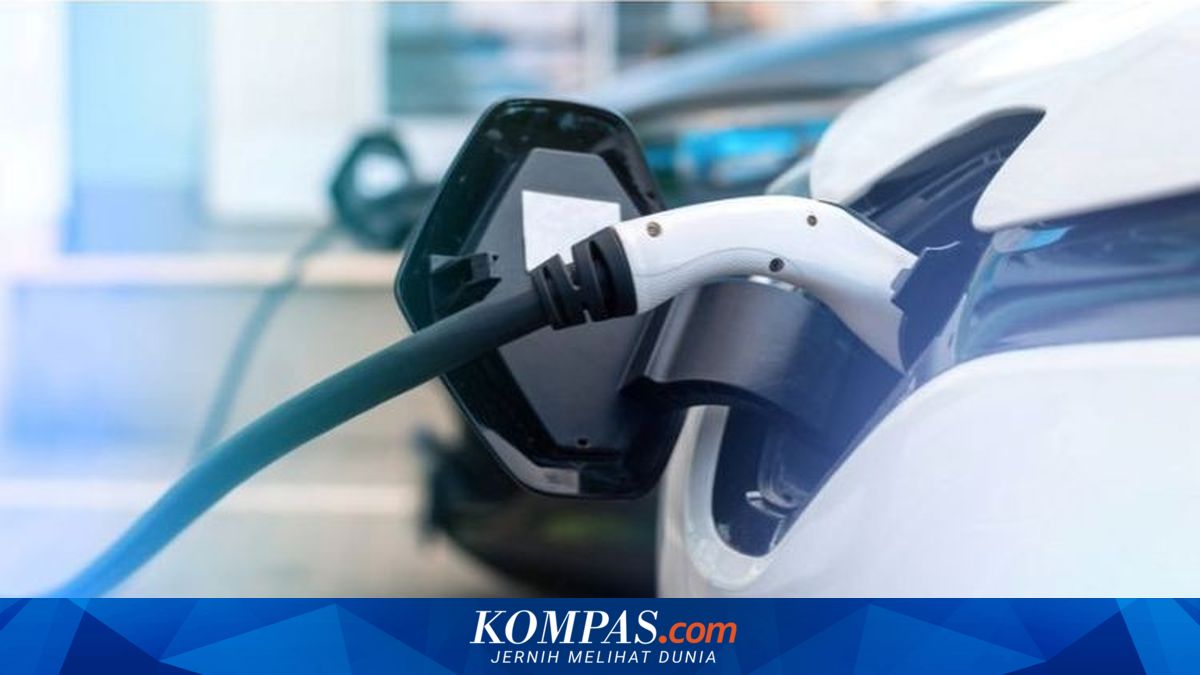
JAKARTA - MTI Adviser Djoko Setijowarno has urged the government to reshape electric vehicle incentive policies to be more socially equitable and targeted.
According to Djoko, EV incentives should not only benefit urban populations but should prioritise nickel-mining belt regions and remote areas facing energy access and public transport challenges.
‘EV incentives must not merely serve as a cosmetic measure for urban dwellers but should act as a tool for poverty eradication and improved mobility in upstream mining regions,’ Djoko said in a written statement on Saturday, 30 May 2026.
Djoko believes the current momentum should be leveraged by the government to design more inclusive incentive schemes with tangible social impact.
He stated that the central government should prioritise incentives for local governments committed to developing electric vehicle-based public transport systems.
Currently, 42 local governments have allocated regional budgets for modern public transport services under the buy-the-service (BTS) scheme, he said.
Pekanbaru, Semarang, and Batam city governments have even enacted local regulations to secure public transport subsidies from their regional budgets.
Djoko added that additional EV incentives could stimulate other regional leaders to develop more modern and eco-friendly public transport systems.
He also highlighted the importance of developing EV-based public transport in nickel-producing regions such as Konawe, Weda, and Morowali.
These regions have long faced a paradox: they supply global battery raw materials but local communities have not optimally benefited economically.
‘Communities whose areas are exploited for global battery materials should be the first to benefit from clean technology,’ Djoko said.
He noted that providing electric buses and EV-based public transport in mining areas relates not only to mobility but also symbolises government presence and social justice.
Djoko also proposed that the Rp 5 million electric motorcycle incentive should prioritise residents in mining belt areas and small island communities facing fuel supply constraints.
He cited Asmat’s experience since 2007 of independently adopting electric vehicles due to limited access to petrol.