
MSME Operators Prepare for Mandatory Halal Certification; PSPP UMJ Expands Certification Assistance
The implementation of mandatory halal certification policies is driving micro and small enterprise (MSME) operators to improve product readiness to meet applicable regulations. Certification assistance and the strengthening of halal literacy are considered essential to expanding market access for business owners.
Responding to this need, the Centre for Border and Disadvantaged Coastal Studies at the University of Muhammadiyah Jakarta (PSPP UMJ) is organising socialisation and halal certification assistance for MSMEs under its guidance, such as food court and canteen managers within the UMJ campus. This activity, conducted in collaboration with LPPOM MUI, is also part of an effort to broaden halal literacy among entrepreneurs.
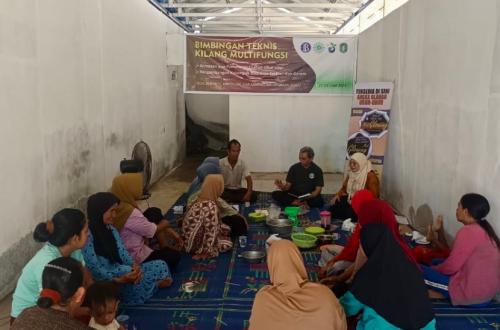
Beyond the campus environment, PSPP UMJ is providing education on the halal processing of marine products to assisted fishermen in Sambas Regency, West Kalimantan. The training covers financial management, product marketing, and halal food processing to increase the competitiveness of processed seafood products.
This programme is part of an economic empowerment initiative run by PSPP UMJ in partnership with DEKS Bank Indonesia. Through this assistance, business owners are encouraged to more easily access the halal certification process while understanding the required production standards.
The Chairperson of PSPP UMJ, Endang Rudiatin, stated that halal certification is no longer just about fulfilling religious aspects, but has become a standard that influences product competitiveness.
“Communities in coastal areas have extraordinary potential for processed products. Through this socialisation and halal certification assistance, we want to ensure that our local products are not only safe for consumption but also possess official legality recognised by the state. This is our commitment to building a halal product assurance ecosystem in border regions,” said Endang on Saturday (1/8/2026).
During the activity, participants received material regarding production environment cleanliness, the commitment of business owners to maintaining product halality, and technical assistance to ensure production processes meet halal certification requirements, from the use of raw materials to the product reaching the consumer.
PSPP UMJ believes that increasing the number of halal-certified products can expand market access for MSMEs, particularly for business operators in coastal areas and underdeveloped, frontier, and outermost (3T) regions. The programme also supports the development of the Sharia economic ecosystem through the downstream processing of fishery products and the strengthening of the halal supply chain.