
MSCI Delays Indonesia Stock Rebalancing, Foreign Funds Potentially to Exit
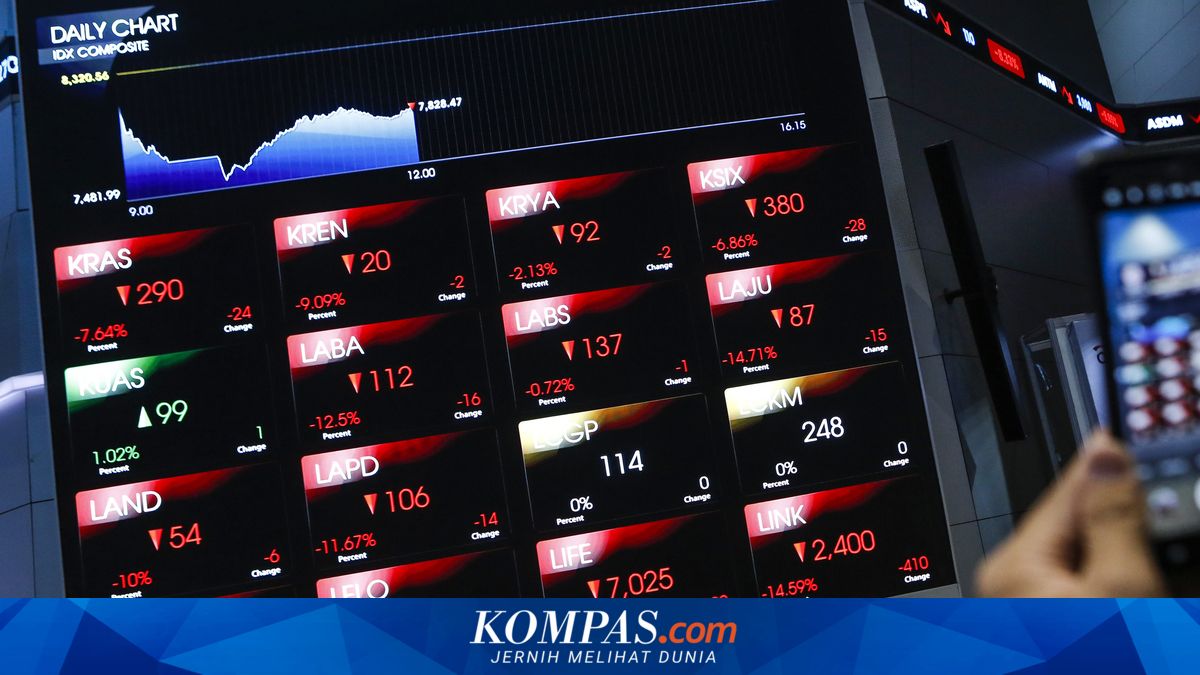
JAKARTA, KOMPAS.com - Morgan Stanley Capital International’s (MSCI) decision to extend the rebalancing of the Indonesian stock index until May 2026 opens up the potential for significant pressure on the domestic market. Passive foreign funds are estimated to potentially exit up to Rp 15 trillion, which could weigh on the Composite Stock Price Index (IHSG) in the short term. In its latest announcement, MSCI stated that it is still delaying the adjustment of the Indonesian stock index as it reviews the impact of capital market reforms on investment accessibility. Nevertheless, it views the market reaction as likely to be limited because market participants had anticipated this policy beforehand. “MSCI’s decision to continue freezing the inclusion of Indonesian stocks remains a negative sentiment overshadowing the IHSG. However, looking at the market dynamics on the opening of trading on 21 April, the weakness observed indicates that the market had already anticipated or priced in this decision,” said Azharys when contacted by Kompas.com on Tuesday (21/4/2026). According to him, investors had not placed high expectations from the start that MSCI would soon reinstate Indonesian stocks in its index in the near term. Despite this, the technical risk to watch out for is the potential outflow of passive funds estimated at Rp 15 trillion. This amount is quite significant and could pressure the IHSG if it occurs over a short duration. “The technical risk we need to be wary of is the potential outflow of passive funds, estimated to reach Rp 15 trillion. This figure is substantial enough to pressure the index if it happens in a short timeframe,” he explained. MSCI has confirmed that stocks in this category will be removed from the index, thereby triggering portfolio adjustments by global investment managers. From a sectoral perspective, the greatest pressure is expected in the energy and infrastructure sectors. This is related to the dominance of large-cap issuers such as PT Dian Swastatika Sentosa Tbk (DSSA) and PT Barito Renewables Energy Tbk (BREN), which have significant weights in the index. Fluctuations in these stocks could become a drag on sectoral performance and overall IHSG movement amid uncertainties in global fund flows. “The sectors most affected are energy and infrastructure. This is inseparable from the roles of DSSA and BREN, which have very large market capitalisations, so fluctuations in these two stocks directly become a burden on the performance of their respective sectors as well as pressuring the overall IHSG movement,” he concluded.