
MSCI and FTSE Russell Take Different Positions on Indonesia: Danantara’s View
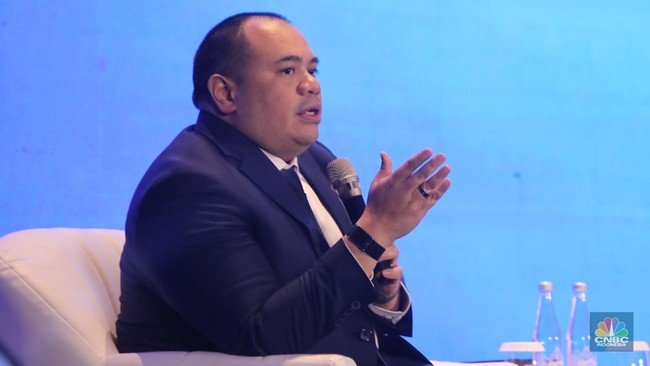
Jakarta, CNBC Indonesia — The Indonesia Investment Management Agency (BPI Danantara) believes MSCI’s proposal to potentially downgrade Indonesia’s market classification must be taken seriously because it is linked to investor confidence.
Danantara Chief Investment Officer Pandu Sjahrir stressed that the proposal is not yet a final decision. He said capital market reforms must continue and their results need to be visible. Efforts to strengthen transparency, fairness and investor confidence are important to building a higher-quality capital market.
“Reform does not happen overnight, but it must be consistent and its results must be visible,” he said in a post on Instagram, as quoted on Friday (23 October 2026).
Pandu also pointed to other global indices, including FTSE Russell, which has kept Indonesia in the secondary emerging market category, even as it continues to monitor the effectiveness of Indonesia’s capital market reforms.
This illustrates differences in how global index providers assess Indonesia’s stock market. The response to changes in index classifications should therefore be balanced, while keeping the market-improvement agenda in view.
“The capital market reforms under way must be supported, and we must be able to demonstrate their impact,” he said.
He emphasised that a strong capital market is not defined solely by a rising stock index. A high-quality market should also provide access to funding for companies with good business prospects and give the public opportunities to participate in economic growth.
According to Pandu, the strength of Indonesian companies needs to be translated into productive investment, business expansion and job creation.
He also voiced support for efforts by the Financial Services Authority (OJK), the Indonesia Stock Exchange (BEI), Bank Indonesia (BI), the Finance Ministry and all other stakeholders to strengthen the capital market within their respective roles.
Pandu urged investors to remain optimistic while making decisions with discipline. Investors should understand the businesses of the companies they buy, diversify their holdings and match investments to their individual risk profiles.
He said he hoped the ongoing reforms would strengthen Indonesia’s capital market sustainably, enabling high-quality companies to secure adequate funding and the public to share in economic growth through investment.
“We must look at all of this in a balanced way. There are issues that need to be addressed, but that does not mean the companies listed on our exchange have poor fundamentals,” he concluded.