
MSCI Acknowledges Indonesia's Capital Market Reforms, but Warns of Downgrade Risk
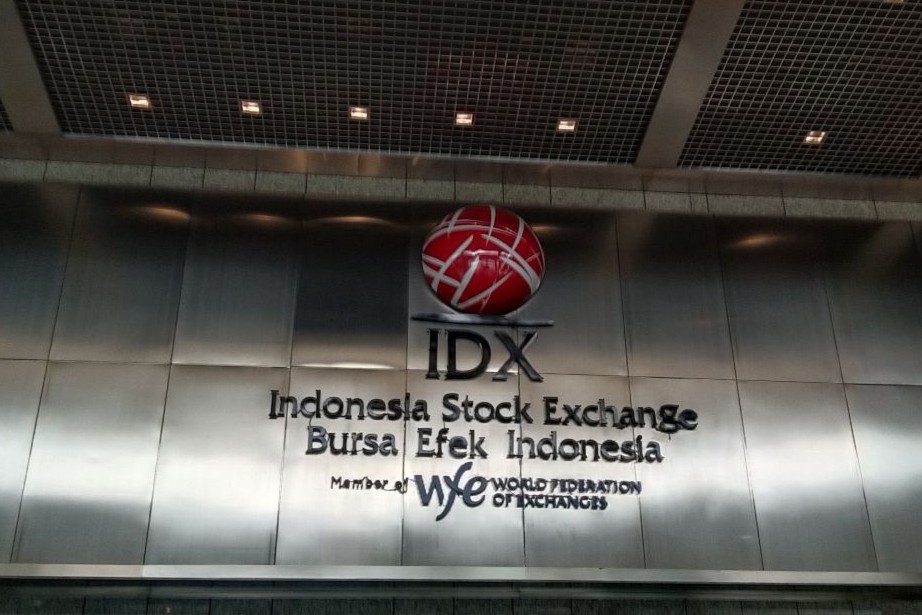
MSCI has officially acknowledged the transparency reform measures initiated by Indonesia’s capital market authorities, namely the Financial Services Authority (OJK), the Indonesia Stock Exchange (BEI), and the Indonesian Central Securities Depository (KSEI). Nevertheless, MSCI provided critical notes regarding the future implementation of these policies. The acknowledgement was contained in the MSCI 2026 Market Classification Review report released on Wednesday (24/6). MSCI highlighted several points of progress, including improved disclosure of shareholders with ownership above 1 per cent, more in-depth investor classification, and the introduction of a High Shareholders Concentration (HSC) framework. Additionally, MSCI noted the authorities’ roadmap to increase the minimum free float requirement to 15 per cent as an effort to enhance market liquidity. Despite appreciating these steps, MSCI stressed that policy announcements alone are insufficient for global institutional investors. The primary focus now is on consistency of execution on the ground. “This announcement is a step in the right direction. However, what is more important for international institutional investors is the consistent implementation and sustainable effect of these measures across the entire market,” MSCI wrote in its official release. MSCI affirmed it will continue to monitor the coverage, consistency, and effectiveness of Indonesia’s capital market, particularly in determining free float and assessing overall investability. This close monitoring will continue until the MSCI Index Review in November 2026. Based on feedback from market participants, MSCI revealed deep concerns regarding investability in Indonesia. The main issues highlighted include transparency, share ownership structures, and indications of coordinated trading behaviour. As of now, Indonesia’s position in the MSCI market classification remains unchanged and stays in the Emerging Market category. This classification is crucial as it determines the flow of foreign funds from institutional investors who track the index. Head of Market Classification and Taxonomies at MSCI, Raman Aylur Subramanian, explained that this classification framework is based on the accessibility and actual investability experienced by investors. “The MSCI Market Classification Framework determines whether a market is classified as developed, emerging, or frontier based on the accessibility and actual investability experienced by international institutional investors,” Raman concluded.