
MSC Supports Fishery Management Plan Development in WPP 713 and 573
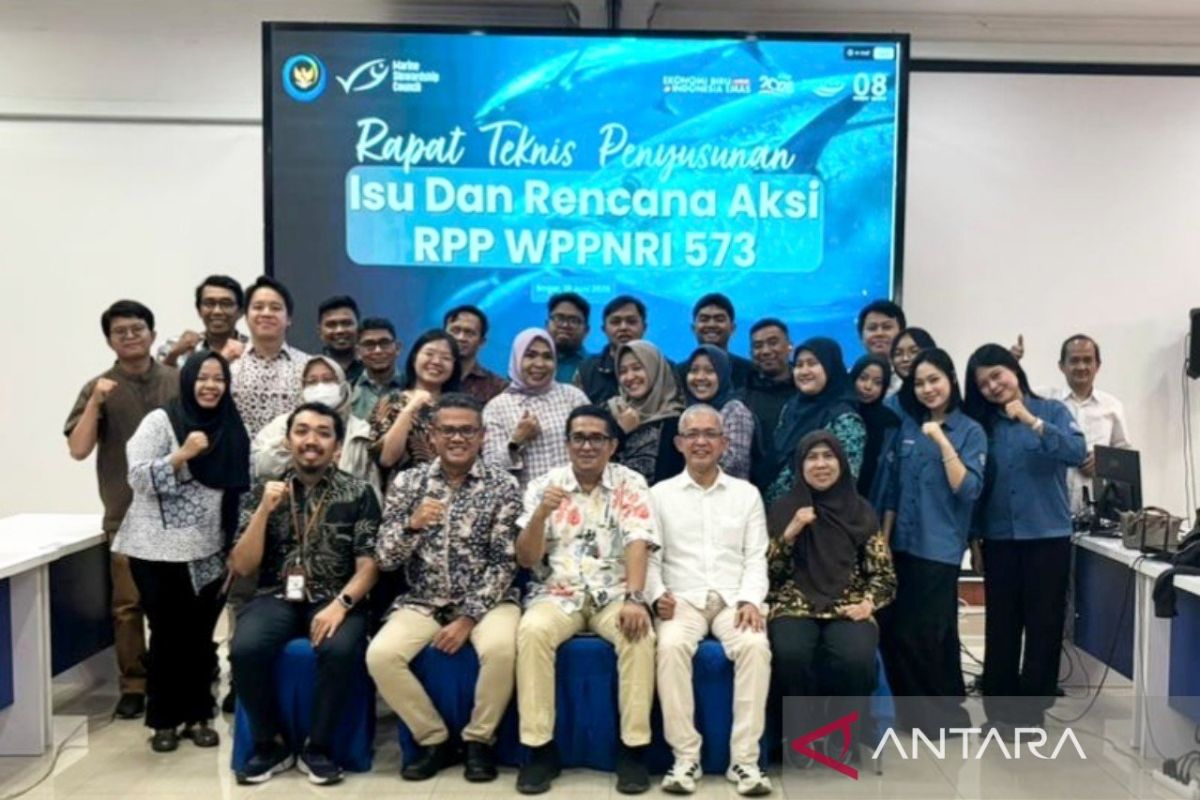
The Marine Stewardship Council (MSC), a global non-profit organisation, is supporting the development of Fishery Management Plans (RPP) in Fishery Management Areas (WPP) 713 and 573 to strengthen sustainable fisheries management. MSC Indonesia Programme Director Hirmen Syofyanto stated the support was conveyed during an RPP drafting meeting organised by the Ministry of Marine Affairs and Fisheries (KKP) on 18-19 June 2026 at the Animal Product Quality Testing and Certification Centre in Bogor. The meeting was attended by representatives from the KKP’s Directorate General of Capture Fisheries, provincial marine and fisheries offices, fishing ports, and development partners. Hirmen explained that sustainable fisheries management requires a robust management system and legal framework. ‘MSC views the preparation of the RPP as a strategic step to ensure fisheries management decisions are directed, measurable, and provide long-term benefits,’ he said. He added that the involvement of government, business operators, fishers, and stakeholders is a crucial factor in implementing sustainable fisheries management. Syahril Abd. Raup, Director of Fish Resource Management at the Directorate General of Capture Fisheries, stated that the RPP serves as a strategic guideline for maintaining fish resource sustainability while improving community welfare. ‘This RPP provides strategic direction, balancing fish resource conservation with welfare improvement,’ Syahril said. The meeting’s discussions covered the identification of priority issues in fish resource management, environment, governance, and socio-economic aspects in each area. The outcomes will inform the drafting of the RPP for WPP 713, which encompasses the Makassar Strait, Bone Bay, Flores Sea, and Bali Sea, as well as WPPNRI 573, covering the Indian Ocean south of Java to Nusa Tenggara, the Sawu Sea, and the western Timor Sea. The development of the RPP in both areas is expected to produce adaptive, science-based management plans that can be periodically evaluated in line with evolving fishery conditions and government policies.