
MRTJ brings shopping-entertainment experience to extended concourse at Bundaran HI
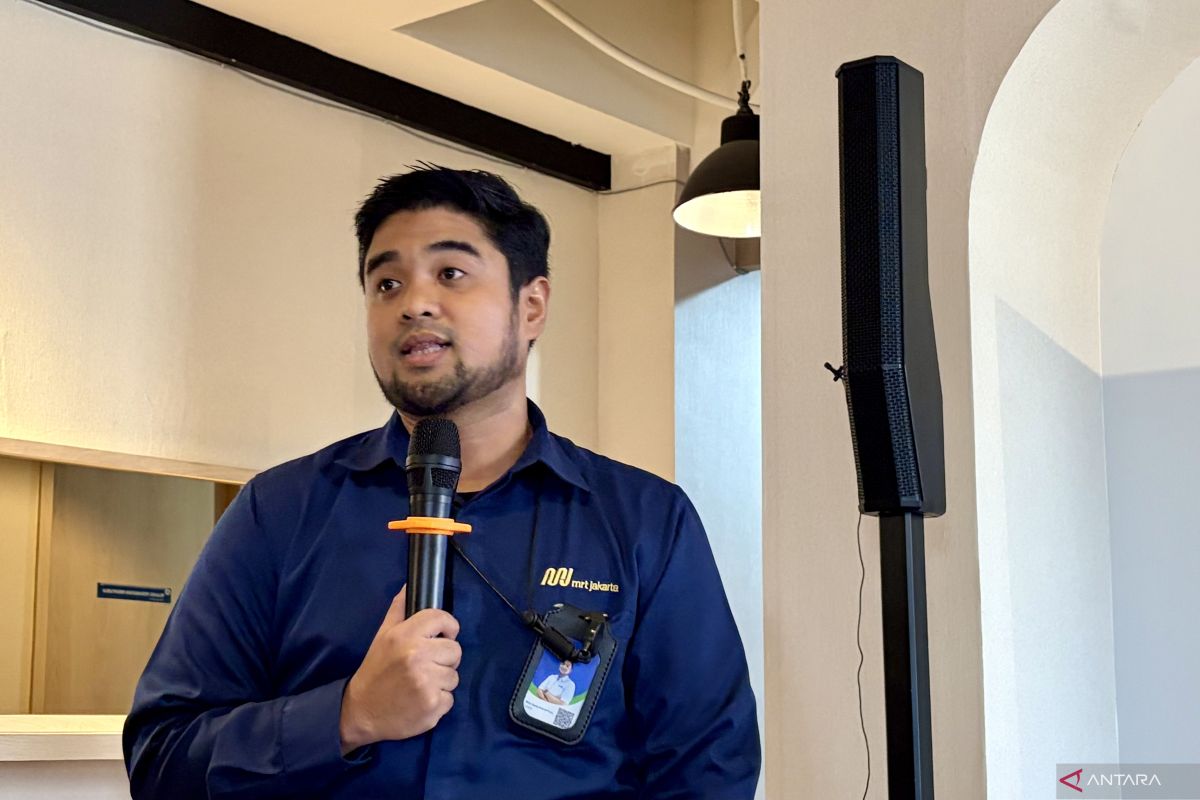
PT MRT Jakarta (Perseroda) is set to bring a modern shopping experience, entertainment and lifestyle offerings to the multifunctional space (extended concourse) of Bundaran HI MRT Station, Jakarta.
“The development of the Bundaran HI MRT extended concourse is planned as a commercial area integrated with various potential revenue sources, including retail areas, advertising areas, pop-up and event activation, and co-branding areas,” said MRTJ Commercial Department Head Ricky Agung Kresna Putra during the MRTJ Fellowship Program 2026 in Jakarta on Wednesday.
Ricky further explained that the 1,387 square metre retail area will be developed as a retail space that can be occupied by various tenants.
“The tenancy mix of the Bundaran HI MRT Extended Concourse will be developed with a more diverse and destination-oriented concept, aimed at creating a one-stop shopping destination by bringing in F&B, lifestyle, fashion and services tenants,” he said.
Unlike MRT Phase 1, which has relatively smaller units focused on a grab-and-go concept, Ricky said the Bundaran HI extended concourse will present a more complete commercial ecosystem, serving as a meeting point for users and creating a more comfortable and distinctive retail experience.
Furthermore, MRTJ will also provide advertising points as promotional media for brands, as well as offering visual and experiential collaboration spaces that pair the MRT Jakarta identity with partner brands.
Meanwhile, the pop-up and event activation area can be used for pop-up stores, brand activations, exhibitions and other activities that can attract footfall.
Regarding MRTJ user comfort and crowd management, he assured that the company will coordinate with relevant brand partners and implement mitigation measures so as not to disrupt passenger flow at the station.
Meanwhile, President Director of PT Integrasi Transit Jakarta (ITJ) Yulham Ferdiansyah Roestam said the extended concourse must be able to provide added value in terms of mobility, access, activities and the value of the surrounding area.
He said this is in line with a paradigm shift from areas that were initially merely transit points to points that must now meet the mobility needs of their users.
“Eating, drinking, charging. Those are daily needs. If you look at stations now, there are spots where people can sit and charge their phones, charge their laptops. Things like that are so impactful for people’s mobility,” said Ferdiansyah.
“So another key word is that mobility must be supported, economic activity must be built, and public spaces must be made multifunctional, not just as transit or passage spaces,” he added.