
MRT Jakarta experience teaches Abang None finalists orderly transport culture
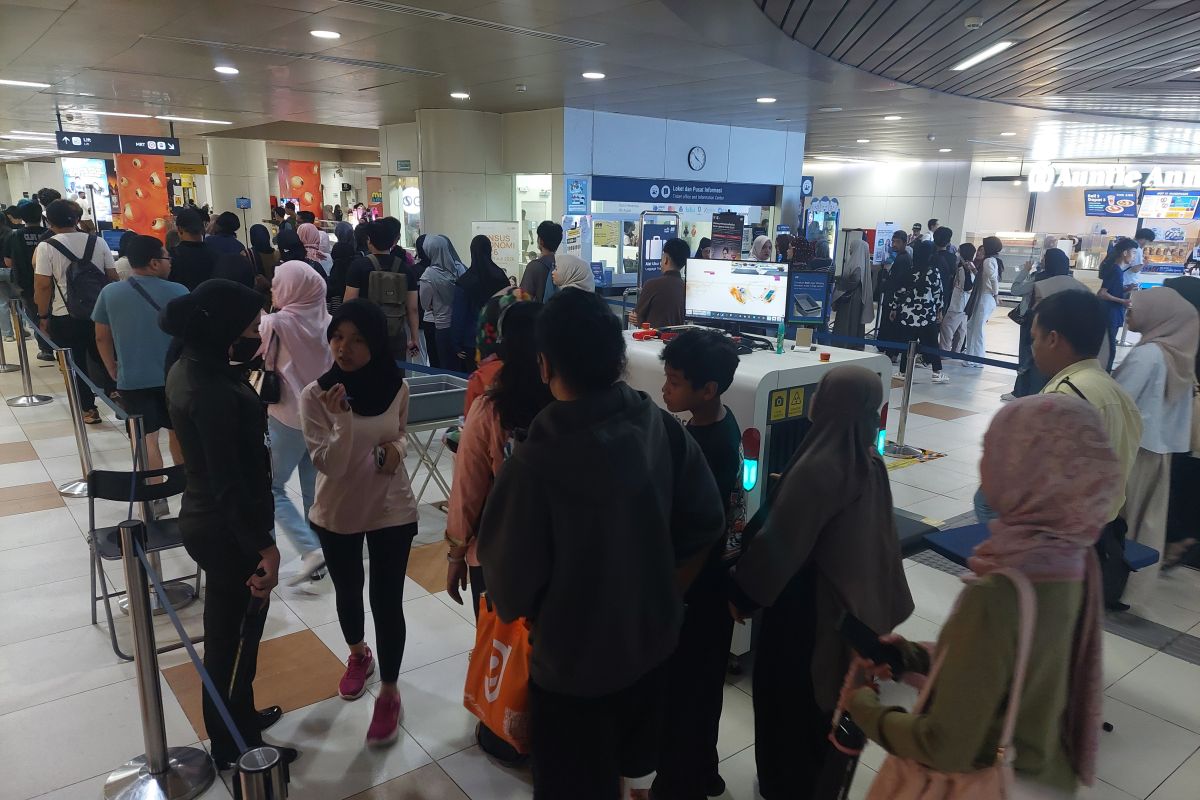
Jakarta (ANTARA) - Spending a day as an MRT station attendant through the Station Attendant for a Day programme gave finalists of the Abang None Jakarta Utara pageant a deeper understanding of the importance of orderly culture, discipline, and shared responsibility in using public transport.
Finalist Azzahra Nureyna Cintani said the activity was a new experience that provided an opportunity to interact directly with the public while learning about the service standards at MRT Jakarta.
‘It was a very enjoyable experience because it was my first time dealing directly with the public. We also learned how to be part of the service in public transport,’ Cinta said at Dukuh Atas BNI Station, Jakarta, on Friday.
Cinta said she witnessed firsthand a work culture that prioritises friendliness towards customers and maintains the cleanliness and comfort of public facilities. According to her, the service provided by MRT Jakarta officers can serve as an example for other public transport operators.
‘MRT upholds the friendliness of its officers. In terms of cleanliness and facilities, it is also very good and can be an example for other modes of transport,’ she said.
Meanwhile, another finalist, Muhammad Farhan Pratama Susilo, said the experience of being a station attendant taught him that an orderly culture must start from simple things, such as queuing, obeying rules, and respecting other users.
‘As young people, we learn from small things, learn to be orderly, learn to queue, and obey the rules wherever we are,’ he said.
Farhan also appreciated MRT Jakarta’s efforts to educate the public to help maintain the cleanliness of public facilities, one of which is through the policy of not providing rubbish bins in the station area. According to him, this policy teaches that the cleanliness of public facilities is a shared responsibility, not solely the responsibility of the operator.
‘We learned that the public also has a responsibility to maintain cleanliness by taking their own rubbish home. This is part of building a culture of clean living in Jakarta,’ Farhan said.