
Mrs Nanik Deyang's Trainers
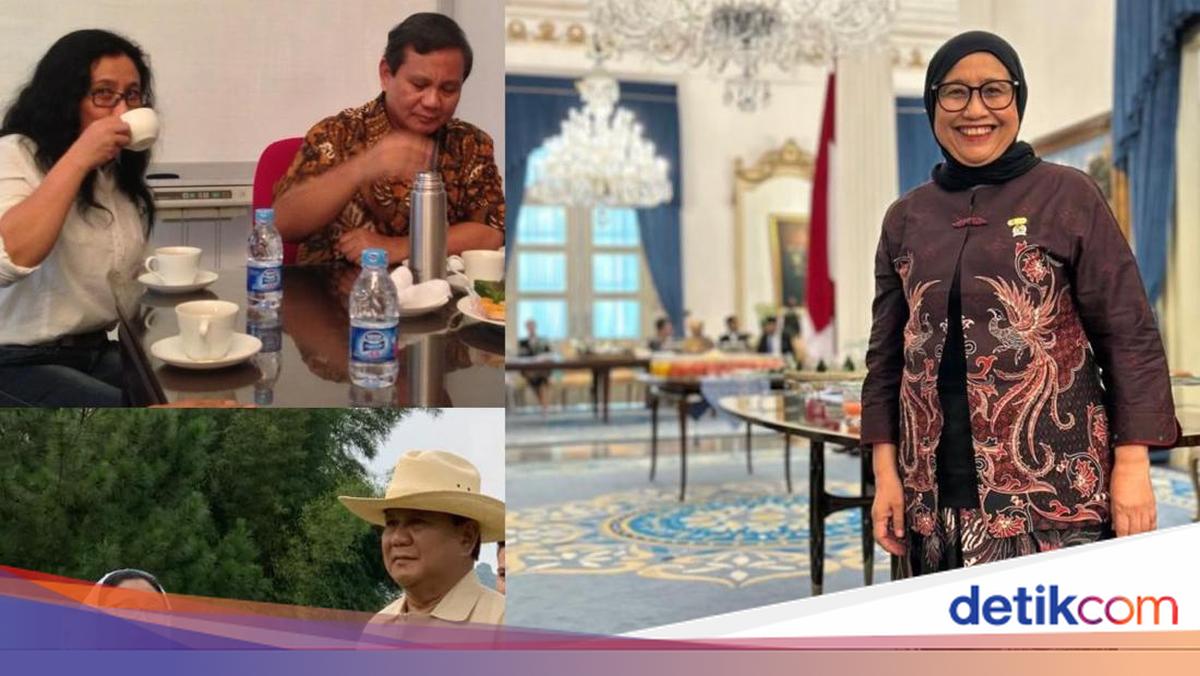
Mr Prabowo and I first met Mrs Nanik towards the 2014 Election, about 13 years ago. At that time, on a bright afternoon, we stopped by the editorial office of The Politics in the Menteng area. Mrs Nanik was its editor-in-chief.
That introduction began with several cups of coffee. Some were prepared by Mrs Nanik, while others were brought by Mr Prabowo himself in a thermos—coffee that is now widely known as ‘Kopi Hambalang’.
A meeting that was scheduled to be brief turned into hours. Mrs Nanik possesses a kind of inexplicable magic; somehow, she is always able to bring out the best version of those she speaks with. That day, the best version of Prabowo Subianto emerged. From that meeting, an ‘on the record’ interview was born at the Gerindra Party headquarters which, in my view, remains one of Mr Prabowo’s finest interviews to this day. Watching it again this morning gave me chills. Almost everything discussed in that interview has been proven true over time. Many ambitions that sounded distant then have become reality today.
However, Mrs Nanik’s contribution to Mr Prabowo’s journey goes far beyond media matters. Mrs Nanik is a mover. She cannot remain silent when faced with injustice, nor can she turn away when witnessing hardship. It was Mrs Nanik who revealed the case of Wilfrida Soik to Mr Prabowo—an Indonesian migrant worker from East Nusa Tenggara facing the death penalty in Malaysia. After hearing the story, Mr Prabowo acted to find and fund the best legal team to defend Wilfrida.
Mrs Nanik also proposed the assembly and distribution of electric trishaws for elderly pedicab drivers. It was a simple idea, but born from deep empathy: how those who have worked hard throughout their lives can achieve a better income and a more dignified life.
When she was subsequently entrusted by President Prabowo to serve as the Deputy Head of the National Nutrition Agency, that character did not change. Instead of sitting comfortably behind a desk, Mrs Nanik initiated ‘BGN Spot Checks’ in the kitchens of the Free Nutritious Meal programme across various regions. For Mrs Nanik, the best idea is one that is truly and effectively implemented. Figures in reports may look perfect, but the quality of food for Indonesian children can only be ensured by visiting the field directly.
That is why she goes herself: inspecting kitchens, checking cleanliness, speaking with staff, listening to grievances, and seeking solutions, before moving on to the next location.
Yet, of all I remember about Mrs Nanik, one thing remains most imprinted on my mind. It is not her position, her awards, or her proximity to the nation’s great figures. It is her trainers. Simple trainers that always accompany her as she moves from one place to another. Trainers for descending into kitchens; trainers for inspecting schools; trainers to ensure that well-designed programmes truly reach the people.
Perhaps, as far as I know, Mrs Nanik is one of the few people in this Republic who has ever received an award from the President of the Republic of Indonesia at the State Palace while wearing trainers. The story is simple: she was working in Solo when she received a sudden summons to Jakarta to receive an award at the Palace. ‘You must be at the Palace in 3 hours,’ the protocol stated. There was no preparation. Batik was bought in a hurry at the airport. There was no time to change shoes. The same trainers—the ones used for spot checks, the ones used walking from kitchen to kitchen, the ones used to ensure Indonesian children receive nutritious, hygienic, and proper food.
In the middle of the grand State Palace, under crystal chandeliers and before high-ranking state officials, those trainers remained on her feet. To me, that is precisely where their significance lies. Sometimes, the greatest honour is not the medal pinned to one’s chest, but the footprints left in the field.
On Tuesday night (2/6/2026), as Mrs Nanik Deyang was entrusted to become the Head of the National Nutrition Agency, I was reminded of those trainers. It serves as a reminder that positions may change and workspaces may shift, but Indonesia needs more great female leaders who are willing to go into the field to ensure the work is truly completed. If you one day see Mrs Nanik walking briskly in her trainers, do not be surprised. It is highly likely she is doing what she has always done: working, working, and working, to ensure the children of Indonesia have a better future.