
MPR’s K3 Says PPHN Belongs to the Indonesian People, Not the Political Elite
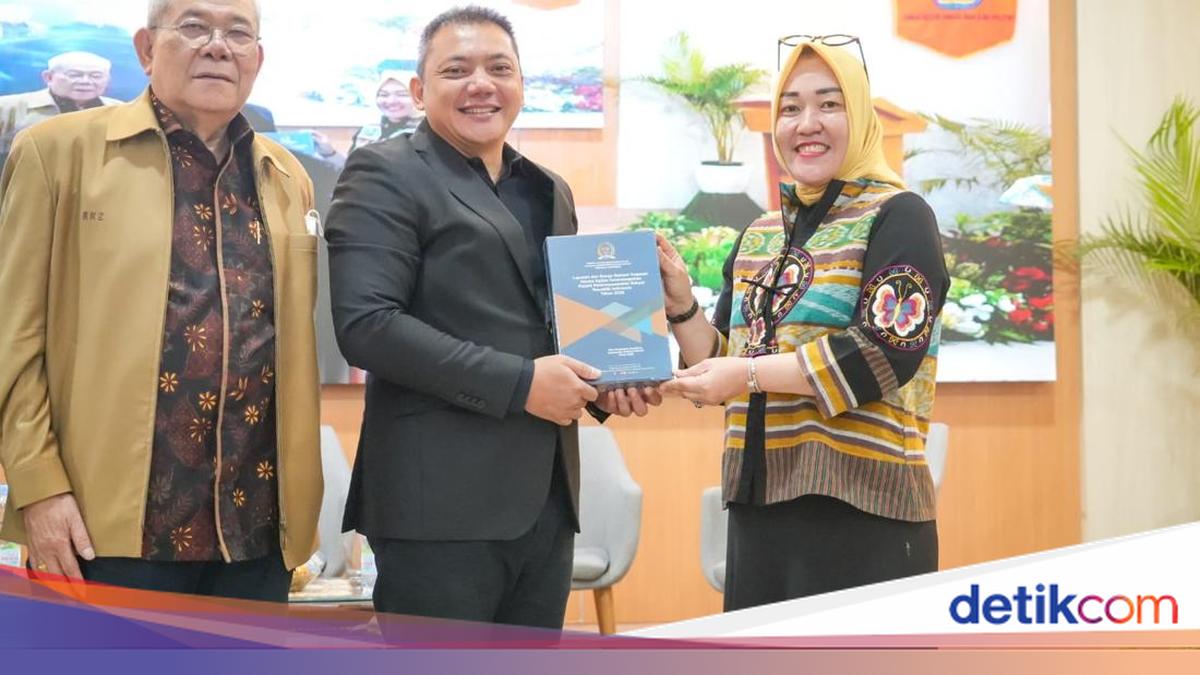
The Constitutional Studies Commission (K3) of the People’s Consultative Assembly (MPR) continues to promote discussion of the State Policy Guidelines (PPHN) across Indonesia, focusing in particular on university academics. Through its Constitutional Discussions, the K3 is collecting ideas, presentations and feedback for in-depth study before submitting them to MPR leaders.
In 2026, the K3 has visited five universities: Airlangga University in Surabaya, the Islamic University of Indonesia in Yogyakarta, the University of North Sumatra in Medan, Hasanuddin University in Makassar, and Diponegoro University in Semarang.
The campus visits aim to gather comprehensive input on the most appropriate legal form and substance for the PPHN. After visiting those five universities, the K3 held its latest Constitutional Discussion in collaboration with the Faculty of Social and Political Sciences at the University of Lampung (FISIP Unila).
The event, centred on the theme ‘Institutionalising the State Policy Guidelines in the Constitutional System’, took place at FISIP Unila’s Building A in Bandar Lampung.
K3 chair Taufik Basari highlighted a discussion at Unila comparing countries that have adopted guiding principles for national development with their respective democracy indices.
Taufik said this and other ideas raised at the discussion were important to the MPR. Broad public involvement, he added, was essential to prevent the PPHN from becoming merely a debate among the political elite.
‘Because this is a fundamental matter, there must be broad public participation so that people feel that when we talk about the constitution, we are talking about ourselves. This does not belong to the factions in the MPR; it must belong to the people,’ Taufik said on Thursday (26 November 2026).
He added that the process of drawing up the PPHN should proceed from the grassroots upwards.
‘What the people want is what the factions should implement. It should not be the other way round, with the factions deciding what they want and then asking the public to approve it,’ Taufik stressed.
Decision targeted for next year, with channels for public input
Discussion of the PPHN has continued across several MPR terms. The K3 has now completed an initial draft document, which it has deliberately made available to the public for scrutiny and criticism.
Taufik said he hoped a decision on whether to proceed with the draft would be reached next year, rather than allowing the process to end repeatedly with recommendations followed by further discussion.
‘We should be able to make a decision next year. If the public feels it is unnecessary, then we will end it. But if the public believes it is needed, we will complete it promptly,’ Taufik said.
As well as visiting regions in person, the MPR has published the draft PPHN and provided an online feedback channel on its official website so people from all walks of life can contribute directly.
At the same event, FISIP Unila dean Professor Anna Gustina Zainal, representing the university rector, welcomed the collaboration between the legislature and higher education institutions.
Professor Anna said the forum provided an opportunity for mutual support and served as a practical learning laboratory for students.
‘We hope this event will be a tangible contribution by universities, providing academic expertise to the MPR as it shapes and decides on future constitutional policies,’ she said.
The event was formally opened by K3 chair Taufik Basari, accompanied by K3 deputy chairs Rambe Kamarul Zaman and Martin Hutabarat. Attendees included FISIP Unila dean Professor Anna Gustina Zainal, 25 K3 members, members of the university community and students from across Unila’s faculties.
Four Unila academics took part as expert speakers: Professor Arizka Warganegara, a political geographer, on ‘Finding a Format for the PPHN: A Comparative Perspective’; constitutional law lecturer Renaldy Eka Putra on ‘Legal Certainty and the Legal Form of the PPHN’; public administration lecturer Syamsul Ma’arif on ‘Constitutional Consensus in Institutionalising the PPHN’; and development economics lecturer Dedy Yuliawan on ‘The PPHN, the GBHN and the Future of Development Planning’.
Source: jawawa.id (https://jawawa.id/newsitem/mprs-k3-says-pphn-belongs-to-the-indonesian-people-not-the-political-elite-1795704689)
Originally published by detikcom (https://news.detik.com/berita/d-8771807/k3-mpr-ri-tegaskan-pphn-bukan-milik-elite-tapi-rakyat-indonesia), translated from Indonesian