
MPR Vice Chair: Collective Commitment Key to Education System Improvement
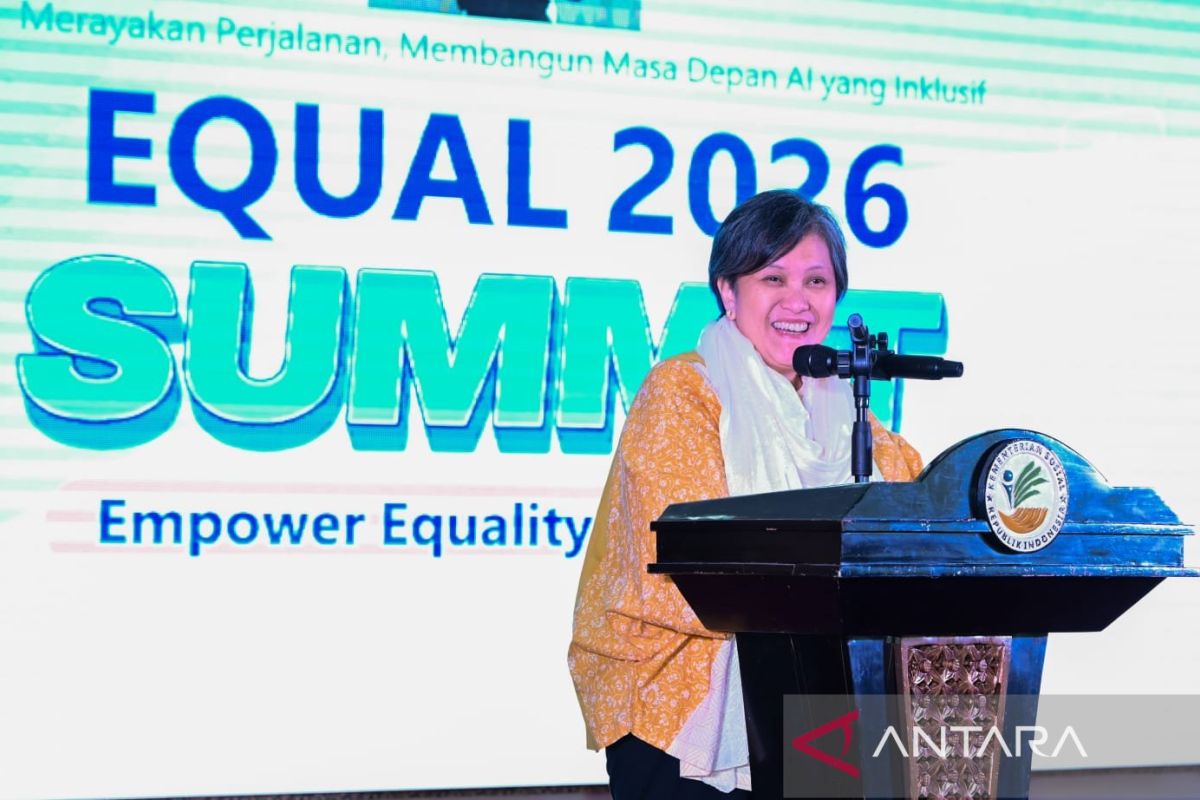
MPR Vice Chair Lestari Moerdijat stated that academic assessment results must form the basis for future education system improvements, requiring collective commitment to implement.
“Detailed data down to school level and individual competencies are available. The question now is whether all stakeholders – central government, education offices, school principals, teachers, and parents – are truly prepared to change teaching and mentoring approaches,” Lestari said in a statement on Thursday in Jakarta.
Over 8.7 million primary and secondary school students across Indonesia took the 2026 Academic Ability Test (TKA), with the Ministry of Basic and Secondary Education (Kemendikdasmen) reporting a national participation rate of 98.51%, and even the lowest-performing provinces exceeding 95%.
These figures are not merely numbers but a precise map of the strengths and weaknesses in the current education system.
The results are clear: national literacy averages 60 (primary) and 60.83 (secondary), while numeracy stands at 43.41 (primary) and 40.34 (secondary).
According to Lestari, the academic assessment findings are not for comparing schools or regions, but to design precise interventions.
Rerie, Lestari’s familiar name, gave an example: if a district’s numeracy scores plummet while literacy is strong, teacher training, teaching aids distribution, and classroom teaching methods must be adjusted accordingly.
“There must be no one-size-fits-all policies for different issues,” she said.
To support this, central and local governments must allocate budgets not just for testing but for data-driven remedial programs.
“Do not spend heavily on mapping but have minimal follow-up,” Rerie stressed.
Furthermore, educational institutions and teachers must shift from grade-chasing to building competencies and character.
“Teacher evaluations should promote critical thinking over rote memorisation and instil honesty and integrity,” she said.
As a member of DPR Commission X, she added that parents must support meaningful learning at home, avoid fixating on rankings, and oversee implemented policies to prevent them from remaining on paper.
“Our education system needs strong collective commitment to implement evidence-based policies, not short-term ambitions. The TKA has given us a roadmap; now everyone must have the courage to move forward,” she concluded.