
MPR urges collaboration to boost interest in non-formal education
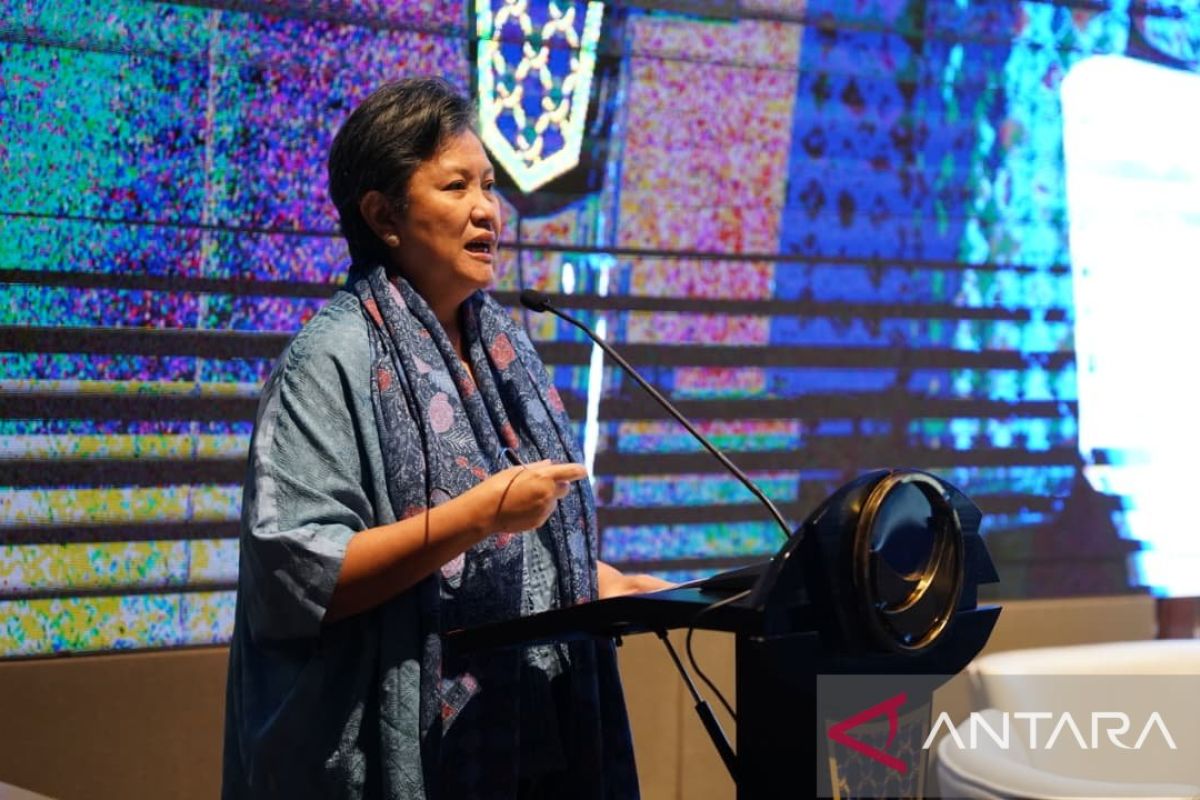
Deputy Speaker of the MPR Lestari Moerdijat has urged the government, non-formal education providers, and other stakeholders to strengthen collaborative strategies to increase public interest in non-formal education.
According to Lestari, such measures are necessary because non-formal education is still viewed as a second choice.
“In fact, non-formal education units are an emergency gateway for millions of Indonesian children who have dropped out of school or are beyond the reach of the formal system,” she said in a statement in Jakarta on Thursday.
The government and educational institutions, she said, must actively instil the understanding that a Paket C certificate is equivalent to a senior secondary school diploma and carries the same right to pursue higher education or apply for jobs.
Furthermore, course and training institutions (LKP) and community learning activity centres (PKBM) need to be strengthened so they can produce competent, work-ready graduates, rather than merely chasing certificates.
“We must not stop at the numbers. We must ensure that those who have struggled through the non-formal pathway receive equal recognition. Inclusivity is not just a slogan, but a necessity,” she said.
According to her, support for non-formal education must also be realised through the provision of more adequate learning facilities and improved access for learners who have been constrained by economic conditions or geographical location.
Lestari stressed that efforts to strengthen non-formal education are important to ensure that all members of society receive equal educational services, regardless of the pathway they take.
She explained that, based on data from the Ministry of Primary and Secondary Education as of 23 August 2026, of the 9,693 eligible non-formal education units (SPNF), only 361 institutions have registered as providers of the Paket C equivalency exam.
Lestari believes one of the factors hindering public access to SPNF is social stigma. Non-formal education is often looked down upon compared with formal education, making people reluctant to enrol.
Another factor is economic constraints and accessibility. Most Paket C learners come from lower-income backgrounds and are forced to work to support their families, making it difficult for them to attend regularly and sit examinations.
In addition, she also highlighted learning facilities and communication networks between institutions and external parties.
“These various obstacles must become the concern of all parties. Concrete steps are needed, not just rhetoric, so that every Indonesian child receives quality education services, whatever the pathway,” said Lestari.