
MPR: System and Integrity Culture Improvement Needed to Tackle SPMB Fraud
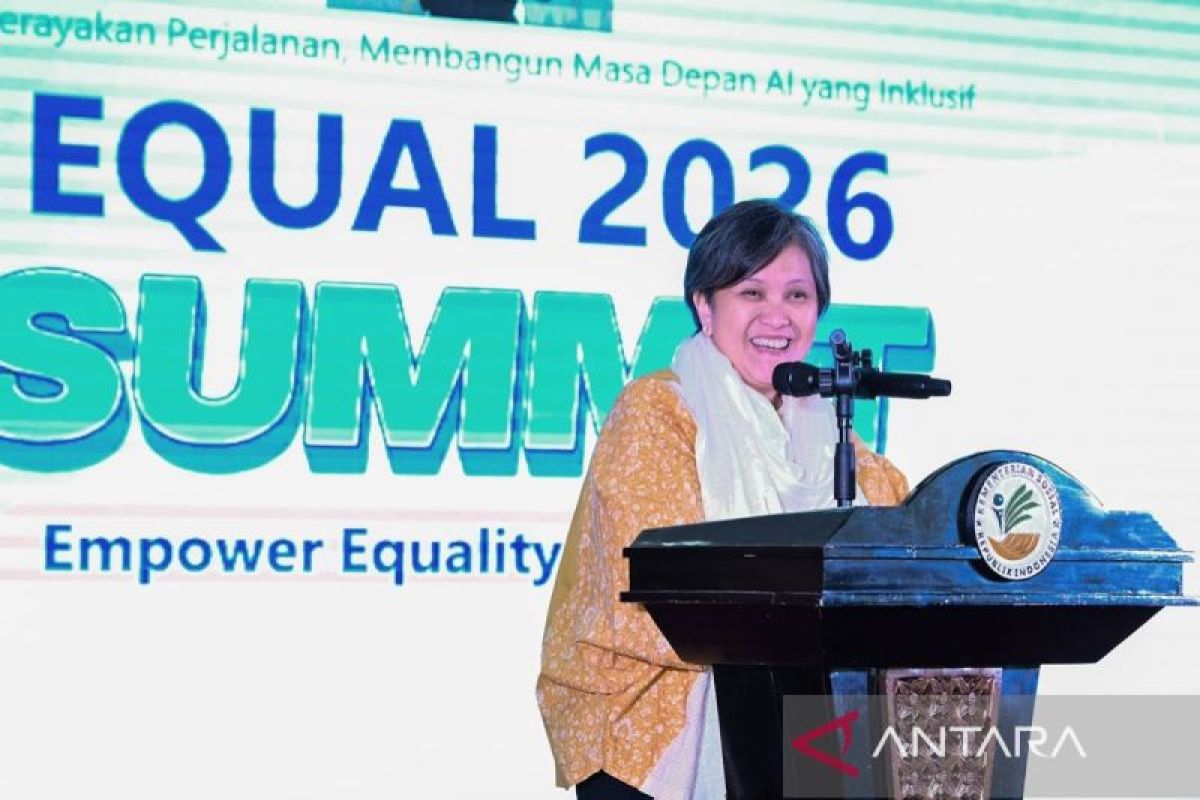
Jakarta (ANTARA) - The Deputy Speaker of the MPR RI, Lestari Moerdijat, has emphasised the need for systemic improvements and the development of a culture of integrity to overcome recurring fraud in the implementation of the Student Admission System (SPMB).
“Supervisory measures and the enforcement of regulations alone have proven insufficient. Systemic improvements and the consistent building of an integrity culture are essential to address the recurring allegations of fraud in student admissions,” she stated in a briefing in Jakarta on Monday.
Lestari highlighted data from the Indonesian Education Monitoring Network (JPPI), which recorded 301 public complaints during the 2026 student admission period. The domicile track was the most frequently reported (187 reports), followed by the achievement track (69 reports), the affirmation track (33 reports), and the mutation track (12 reports).
According to her, instilling integrity values from an early age is the primary foundation for building the character of the nation’s youth, which is a key component of anti-corruption efforts.
Lestari, who is also a member of Commission X of the DPR RI, urged concrete and integrated steps to reduce the number of alleged irregularities in the student admission process.
She also assessed the need for simplifying regulations, strengthening data verification, and developing a joint supervisory system involving the Corruption Eradication Commission (KPK), the Ombudsman, and local governments.
However, regardless of such efforts, the most fundamental step in preventing fraud is building a culture of integrity from an early age.
“Without integrity, parenting and educational systems will only produce graduates who are academically intelligent but morally fragile,” she said.
She reminded that anti-corruption education must be substantive rather than merely ceremonial, in order to produce a generation that is intelligent, possesses resilient character, and rejects all forms of fraud.