
MPR Speaker Ahmad Muzani Addresses Islamic Progress and Palestinian Independence at World Mufti Forum
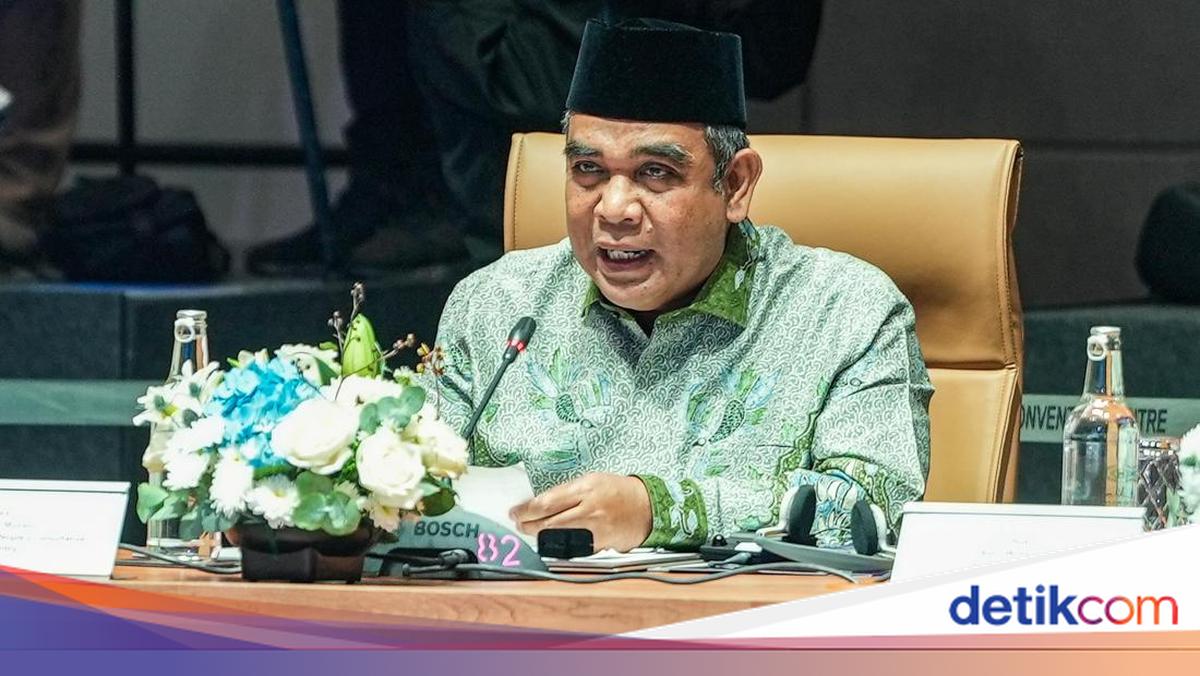
Speaker of the People’s Consultative Assembly (MPR) of Indonesia, Ahmad Muzani, attended the International Summit of Religious Affairs in Kuala Lumpur, Malaysia, on Friday. The event was also attended by Malaysian Prime Minister Anwar Ibrahim, Secretary-General of the Muslim World League Syekh Dr Muhammad Abdul Karim Al Issa, and various muftis and Muslim leaders from around the globe. In his address, Muzani spoke about the rapid growth of the world’s Muslim population alongside the progress of the Islamic world, citing Malaysia and Indonesia as examples of nations now preparing to become developed countries due to advancements in technology, healthcare, education, and declining poverty rates. He emphasised that these achievements stem from state policies that favour the people. Muzani urged Muslim countries to remain united while ensuring Islam adapts to the times, fostering creativity and innovation to promote a more tolerant and moderate faith. He warned against those who propagate Islamophobia, viewing Islamic progress as a threat, and those who turn Islam into a radical movement. He noted that technological and scientific progress demands a more relevant religious perspective, adding that Indonesia and Malaysia are now considered significant Islamic powers. However, Muzani stated that the Muslim world still owes a debt to Palestine, which remains unliberated, referencing the 1955 Asia-Africa Conference in Bandung where nations pledged to fight for Palestinian independence. He asserted that this is a constitutional responsibility for Indonesia, quoting the preamble of the 1945 Constitution that independence is the right of all nations and colonialism must be abolished. He appealed to the forum to continue calling for an end to the war in the region, describing war as an evil that destroys human life, victimises children, and creates geopolitical instability. He concluded that the best way to stop war is to uphold Islamic brotherhood while ensuring it poses no threat to others, and to strengthen unity among nations despite differences in religion and nationality, as these differences are a strength for creating world peace.