
MPR Socialisation Deputy: Independence Must Not Leave Poor People Behind
Indonesia’s independence must be understood as more than mere liberation from colonialism. Independence must be present in the lives of the people through social justice, prosperity, and a tangible state presence, especially for those still living in poverty and neglect.
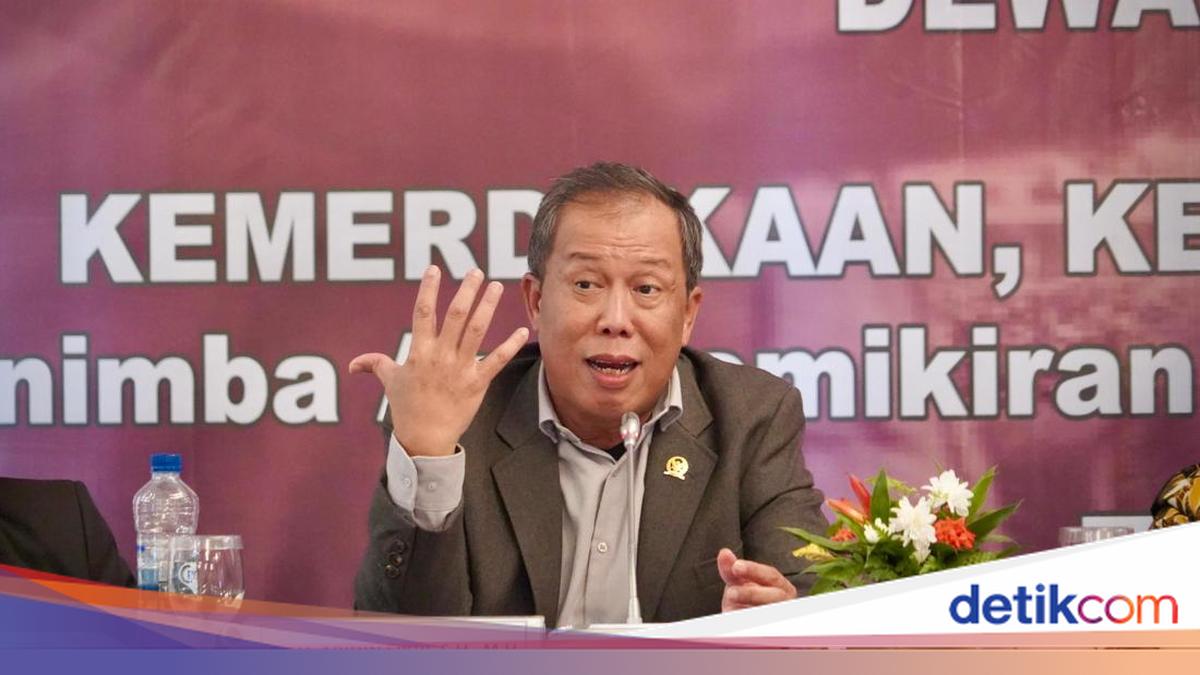
“Independence is not enough to simply celebrate. Independence must be measured by the extent to which the people feel the presence of the state, especially those most in need of protection and support,” said Deputy Chairman of the MPR RI Socialisation Body Abidin Fikri, as quoted on Thursday (20/8/2026).
He made the remarks while speaking at a National Workshop held by the PDI Perjuangan Faction of the MPR RI in cooperation with the National Expert Council of the Indonesian National Student Movement Alumni Association (PA GMNI) in Tangerang on Wednesday (19/8).
The workshop carried the theme “Independence, Sovereignty, and the Future of Indonesia: Drawing from the Fire of Bung Karno’s Thought to Answer the Challenges of the Age.” The event was opened by Deputy Speaker of the MPR RI Ir. Bambang Wuryanto, M.B.A., and featured MPR RI members Dr. Andreas Hugo Pareira and I.G.N. Kesuma Kelakan, S.T., M.Si. Expert speakers included Dr. (H.C.) Ir. Siswono Yudohusodo, Prof. Dr. Arief Hidayat, S.H., M.Si., and Dr. Dharmansjah Djumala.
According to Abidin, the workshop’s theme is significant amid the momentum of 81 years of Indonesian independence. Reflection on independence, he said, cannot stop at remembering history but must prompt fundamental questions about how far the people have actually benefited from independence.
In this context, Abidin recalled the mandate of Article 34 paragraph (1) of the 1945 Constitution of the Republic of Indonesia, which states that the poor and abandoned children are cared for by the state. He argued that this provision is not merely a constitutional norm but a moral mandate affirming the state’s responsibility towards its people.
“An independent and sovereign Indonesia must not allow its people to live in poverty and neglect. The state must be present through concrete, measurable, and sustainable policies,” he stressed.
Abidin argued that the state’s presence must not stop at temporary assistance. Policies must be able to enhance community self-reliance while breaking the chain of poverty.
“What we need are solutions that are truly felt. The presence of the state must be visible and felt by the people, particularly the poor and neglected groups,” he said.
He then linked the issue to Bung Karno’s thinking on independence, sovereignty, self-reliance, and social justice. According to Abidin, Bung Karno’s ideas remain relevant as a source of inspiration for addressing Indonesia’s current problems.
“Drawing from the fire of Bung Karno’s thought does not mean returning to the past. We take his spirit and ideas to answer the problems of the present and the future,” he said.
Abidin also stressed that national sovereignty ultimately cannot be separated from the welfare of the people. A sovereign state must have the capacity to ensure that every citizen obtains a decent life.
He therefore called on all elements of the nation to continue safeguarding the spirit of nationalism and translating the founders’ ideals into policies that favour the people.
“The fire of Bung Karno’s thought must continue to be kept alive as energy to build an Indonesia that is increasingly sovereign, self-reliant, just, and prosperous. Independence must truly be present in the lives of the people,” Abidin concluded.