
MPR: Sisdiknas Law Revision a Momentum for Inclusive Education Transformation
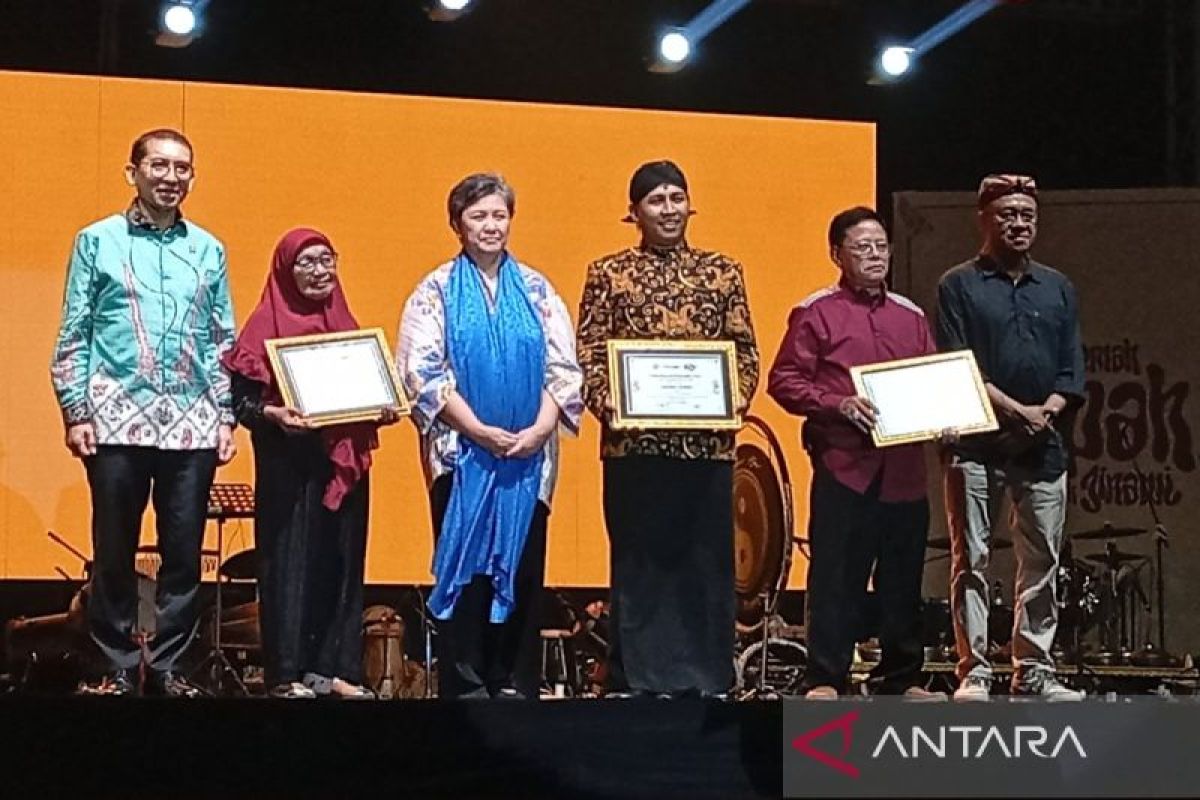
Deputy Speaker of the People’s Consultative Assembly (MPR) Lestari Moerdijat has encouraged all stakeholders to make the revision of the National Education System Law (UU Sisdiknas) a momentum to accelerate an education transformation that is truly inclusive. Speaking at the Denpasar 12 Discussion Forum in Jakarta on Wednesday, Lestari explained that the concept of inclusive education must be interpreted broadly, as a system capable of reaching all community groups, without exception, including vulnerable groups and persons with disabilities. “The main principle is that no child should be left behind, unable to obtain an education due to conditions beyond their control, including physical conditions and barriers,” she said. From a legal standpoint, Lestari acknowledged that Indonesia already possesses a very strong and abundant regulatory foundation, ranging from the 1945 Constitution of the Republic of Indonesia and Law Number 8 of 2016 on Persons with Disabilities, to the National Education System Law itself. Nevertheless, she invited all parties to be honest in evaluating implementation on the ground, where the current national education system still requires significant improvement to meet expectations of inclusivity. Therefore, Lestari continued, the ongoing deliberation process for the updated National Education System Bill must be optimally utilised to re-examine grassroots issues and find comprehensive policy solutions. Lestari also highlighted the importance of reformulating educational success indicators within the Indonesian context, so that they do not focus solely on graduation rates, but also on the system’s ability to accommodate those facing barriers. Inclusive education, she added, is not merely about opening school doors for everyone, but about ensuring that every child of the nation has an equal opportunity to learn, develop, and achieve success. “Because in essence, that is the meaning of social justice as mandated by Pancasila and the 1945 Constitution of the Republic of Indonesia,” Lestari Moerdijat concluded.