
MPR RI Study Body Discusses Vote-Buying, Political Party Performance and the DPR
Political parties play a key role in applying Pancasila as a moral and ethical guide for policymaking. They are therefore considered important in strengthening democracy and increasing public trust.
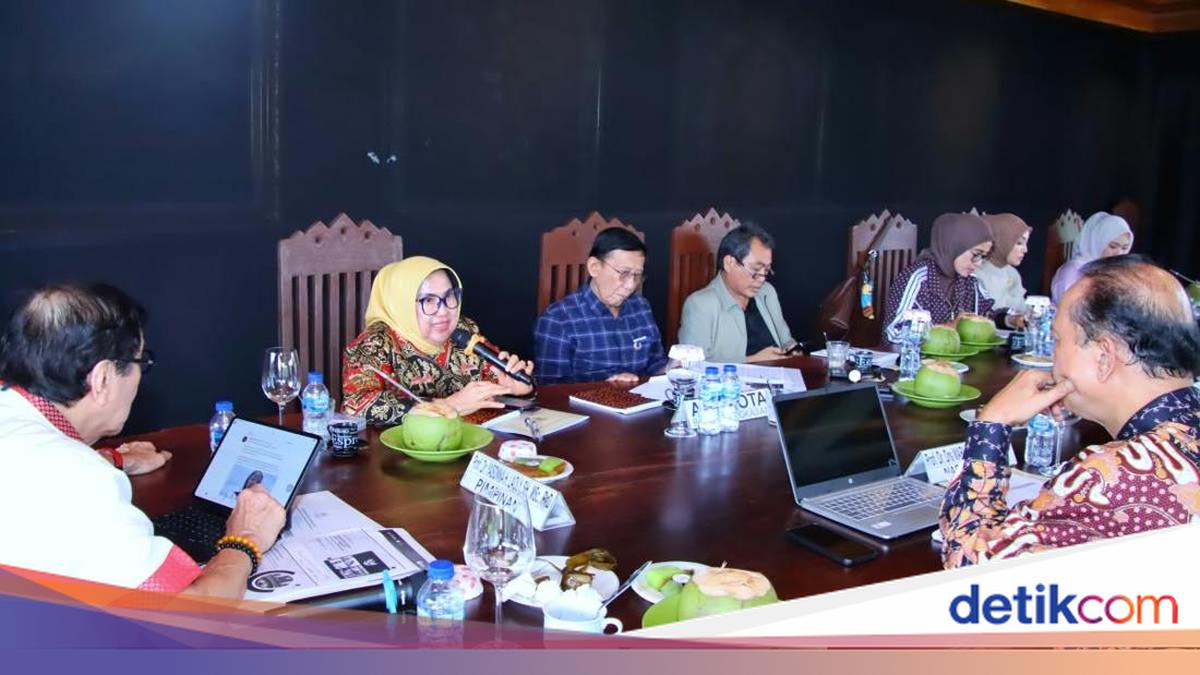
That was among the issues raised by Yasonna H. Laoly, head of Group I of the MPR RI Study Body, after hearing contributions from speakers at a focus group discussion entitled “Popular Sovereignty from the Perspective of Pancasila Democracy”. The event was held in Jati Kesuma, Deli Serdang regency, North Sumatra, on Monday (2 November 2026).
The expert speakers included Marlan Hutahaean, professor of public administration at HKBP Nommensen University Medan; Adil Arifin, a lecturer at the University of North Sumatra’s Faculty of Social and Political Sciences; and Kristian Redison Simarmata, executive director of the Sudut Muda Inspirasi (SMI) Association.
Also attending were MPR RI Study Body members I Gusti Ngurah Kesuma Kelakan of the Indonesian Democratic Party of Struggle (PDI-P) faction; Endang Setyawati Thohari of the Gerindra Party faction; Erna Sari Dewi of the NasDem Party faction; Guntur Sasono of the Democratic Party faction; and Denty Eka Widi Pratiwi and Ivanda Awalina Firdausi Sukandar of the Regional Representatives Council (DPD RI) group.
“It is not only about political parties, but also about several other national issues. Under the current electoral system, society is becoming more pragmatic, so political parties also have to take that pragmatism into account when choosing their representatives, for example when selecting regional heads,” Yasonna said on Tuesday (3 November 2026).
Yasonna said political recruitment was costly, a situation that could in turn encourage vote-buying and therefore required serious correction.
“That is the issue of vote-buying. How do we correct it now, and where do we start? We must also ask why the DPR, which has a constitutional oversight function, appears not to be performing it properly,” he said.
The situation could be worsened if the DPR RI failed to carry out its constitutional mandate to provide checks and balances in legislation and budgeting. Various corrective measures were therefore needed to ensure democracy operated in accordance with Pancasila values.
“The people should not be made to feel they have to say thank you when they are given this or that programme. That is the wrong way round, because these are the people’s rights. I think political parties, and the DPR in particular, must begin taking steps to reflect on themselves,” he said.
MPR RI Study Body member Endang Setyawati Thohari also emphasised the importance of Indonesia having genuine sovereignty. She highlighted agroecological zones and biodiversity legislation, including the law on genetic resources, which she said was difficult to implement.
“What is the point of having such national wealth if there is no law to protect it? We are always at a disadvantage when determining our position. We have many local resources, such as kratom leaves from West Kalimantan, which can be used as an anaesthetic. But the copyright and legal protections are recommended by Vietnam and Malaysia. So what Mr Prabowo is concerned about is real, even if it is difficult to address in practice,” she said.
Another Study Body member, Guntur Sasono, said democracy could now be described as “democracy wani piro” — a Javanese expression implying “how much are you willing to pay?” — in the pursuit of power, which requires a large number of votes. He said this remained a challenge to the proper functioning of democracy in Indonesia.
“If political parties want power, they have to do things that will win them votes. That remains a serious concern for me. As the speakers said, I have heard many people describe this democracy as seeming like a sham. How long will this go on? Will we return to the way things were? We live in a world with such vast opportunities, yet there is also a contest over how Indonesia might fall,” he said.
Denty Eka Widi Pratiwi drew attention to taxes on sanitary pads, a basic necessity for women. She said the tax burden represented a setback in efforts to improve women’s welfare.
“As a woman, I had not even thought about sanitary pads, sir: they are subject to 11 per cent VAT and treated as luxury goods. This concerns the dignity and sovereignty of women who menstruate. I apologise for putting it that way, but this is a basic necessity. Other countries have already abolished the tax,” she said.
Indonesia is due to hold elections in two years. There were concerns that these issues could undermine public trust and that people’s anxieties might not be addressed through democratic oversight mechanisms.
Meanwhile, Study Body member Erna Sari Dewi criticised the weakness of oversight institutions in evaluating the quality of public services. She said the public needed a comprehensive picture of government performance.
“My question is whether we already have an integrated national system to monitor and evaluate government performance, or a national performance dashboard. We do not. Each institution conducts oversight according to its own performance measures, so there is no comprehensive picture of the quality of government performance across all areas,” she said.
Ivanda Awalina Firdausi Sukandar said popular sovereignty should be reflected not only in policy at national level, but also in people’s lives in the regions, particularly in the management of natural resources, public services and economic justice. This included people’s right to clean air in areas affected by forest and land fires.
“When I went to Jambi recently, someone asked me what I thought about forest and land fires. I said it is a human right, the right of the Indonesian people to breathe clean air. Yet even that is difficult to obtain,” she said.
Source: jawawa.id (https://jawawa.id/newsitem/mpr-ri-study-body-discusses-vote-buying-political-party-performance-and-the-dpr-1793703332)
Originally published by detikcom (https://news.detik.com/berita/d-8736599/badan-pengkajian-mpr-ri-bahas-money-politic-kinerja-parpol-hingga-dpr), translated from Indonesian