
MPR RI Evaluates Service Standards to Improve Public Services
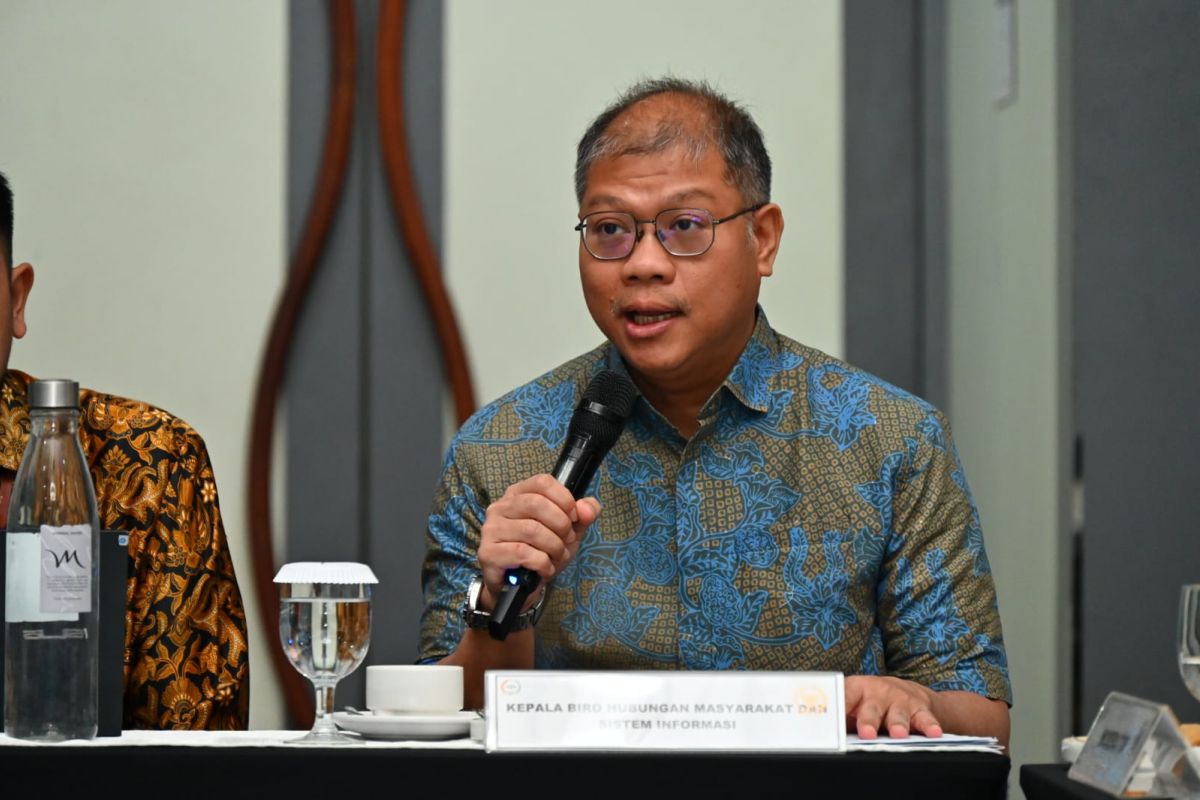
Jakarta (ANTARA) — The People’s Consultative Assembly of the Republic of Indonesia (MPR RI) is periodically evaluating and refining its service standards with public involvement to improve the quality of public services so they are transparent, easily accessible, and meet users’ needs.
Budi Muliawan, Head of the Public Relations and Information Systems Bureau of the MPR RI, said the evaluation covers services for receiving institutional visits as well as data and public information services provided through the Information and Documentation Management Officer (PPID).
“We kindly request as much input as possible from our speakers and participants. We believe every piece of input given is intended for improvement, so that the services we provide going forward become better, well-targeted, transparent, and beneficial to the public,” said Budi at the MPR RI Public Consultation Forum (FKP) in Tangerang, Banten, on Thursday, according to a statement received in Jakarta.
According to Budi, the service standards are drawn up to ensure public services operate in a measurable and accountable manner, with clear procedures and easy access for the public. The evaluation is carried out at least once a year to keep pace with evolving public needs.
Once a request is approved, the applicant will receive confirmation of a schedule or an alternative time if the preferred slot is already full.
“We guarantee that institutional visits to the MPR are free of charge. This is a form of our commitment to providing the best service to members of the public who wish to get to know the MPR RI more closely,” he said.
Besides visit services, the public can also access public information services through the MPR RI’s PPID either in person or via the official website, telephone, and electronic mail.
Nevertheless, Rizky suggested refining several aspects, including separating requirements from service procedures, adding an objection mechanism, presenting total service times, and strengthening personal data protection.
“Service standards must be drafted from the public’s point of view so that the information provided is clear, easy to understand, and offers certainty of service,” said Rizky.
Meanwhile, Dian Ayu Puspitasari, First Policy Analyst at the Ministry of Administrative and Bureaucratic Reform (PANRB), emphasised the importance of public participation in drafting and evaluating service standards so that public services become more responsive, transparent, fair, and oriented towards users’ needs.
According to Dian, the public consultation forum should be used as a space for collaboration, rather than merely fulfilling regulatory requirements.