
MPR RI Constitutional Study Commission Promotes Equitable and Participatory National Economy
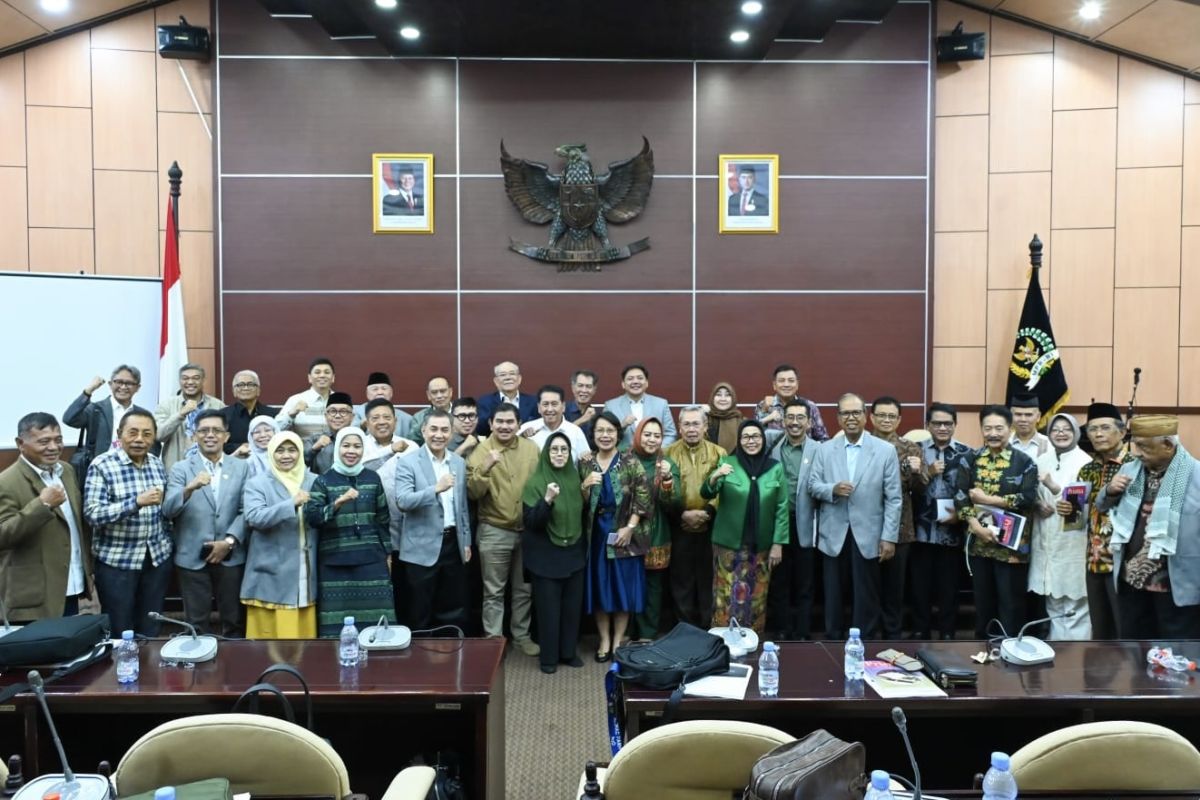
Jakarta (ANTARA) - The Constitutional Study Commission (K3) of the MPR RI is pushing for the realisation of a national economy that is equitable and participatory, in accordance with the mandate of Article 33 of the 1945 Constitution of the Republic of Indonesia.
“We want to ensure that the national economy is conducted within the constitutional corridor. All Indonesian people should be involved in the economic process so that prosperity can be felt more evenly,” said the Chairman of the K3 MPR RI, Taufik Basari, in a statement received in Jakarta on Thursday.
On Wednesday (3/6), the K3 MPR RI held a plenary meeting to examine the implementation of Article 33 of the 1945 Constitution. The study was conducted to strengthen the national economic system based on Pancasila and the constitution.
Taufik explained that the study also aims to address various national challenges, such as development inequality, the strengthening of the people’s economy, digital transformation, and the increasingly dynamic changes in the global economy.
Article 33 of the 1945 Constitution consists of five clauses which essentially mandate that the national economy be organised based on economic democracy while maintaining a balance between progress and national economic unity.
The plenary meeting featured economic experts as speakers, including Revrisond Baswir, the Rector of Paramadina University Didik Junaidi Rachbini, and economist and K3 MPR RI member Hendrawan Supratikno.
According to Taufik, the various views presented by the speakers will serve as material for the K3 study, which will subsequently be compiled into recommendations for the leadership of the MPR RI.
“The views shared by the speakers will be used for further study, which we will later present in the form of recommendations to the MPR leadership to serve as a guide in managing the national economy to achieve national prosperity in accordance with the constitutional mandate,” he said.
Regarding concerns that an increasing state role in the economy could lead to a socialist economic system, Taufik emphasised that the discussion actually aims to find the best format that complies with the constitution.
“We want to find the best format within the constitutional corridor. Through this, we can see the extent of the state’s role and the extent to which the people can be activated to participate in driving the economy. The concerns raised need to be discussed and solutions must be found,” he added.
Several key points emerged during the discussion, including the need to strengthen national economic institutions, ensure even development across regions, improve the quality of human resources, strengthen cooperatives and the people’s economy, and increase public participation in economic activities.